
The preachers quoted here describe communion with God as a real exchange between God and the believer, founded on union with Christ. They call it the height of Christian experience and the privilege of every true believer. They say it is with the Father, the Son and the Spirit, that small things can hinder it, and that no idol may share the heart.
Communion with God is the believer's living fellowship with the Father, the Son and the Holy Spirit. The New Testament word is koinonia, a sharing or partnership.1 John writes, "this fellowship of ours is with the Father and with His Son, Jesus Christ" (1 John 1:3), and Paul prays that "the fellowship of the Holy Spirit" may be with all believers (2 Corinthians 13:14). John Owen, whose book on the subject is the classic treatment, defined it: "Communion is the mutual communication of the good things that those who commune delight in, based on the union that exists between them."2
More than knowing about God
A person may know a great deal about God and have no dealings with him. Jesus defined eternal life as knowing God himself: "Now this is eternal life, that they may know You, the only true God, and Jesus Christ, whom You have sent" (John 17:3). John Gill called communion "the top of the saints experience in this life".3 It is not reserved for a few. Thomas Reade wrote, "Communion with God is the privilege of every true believer."4
The way in
No one has fellowship with a holy God by nature. Isaiah told Israel, "your iniquities have built barriers between you and your God" (Isaiah 59:2). The way was opened by Christ: "we have confidence to enter the Most Holy Place by the blood of Jesus, by the new and living way opened for us through the curtain of His body" (Hebrews 10:19-20). Owen wrote, "On this new foundation, by this new and living way, sinners are admitted into communion with God."5 "Through Him we both have access to the Father by one Spirit" (Ephesians 2:18).
Union and communion
Gill stated the order: "First, communion is founded in union, and arises from it."3 Union with Christ is the fact, established by God when a person believes. Communion is the enjoyment of that fact from day to day. Jesus pictured it as a branch living in the vine: "Remain in Me, and I will remain in you" (John 15:4). God has "called you into fellowship with His Son Jesus Christ our Lord" (1 Corinthians 1:9).
With the Father, the Son and the Spirit
Owen's particular contribution was to show that believers have dealings with each person of the Godhead: "The saints have distinct communion with the Father, Son, and Spirit".6 With the Father it is chiefly in love. Jesus said, "the Father Himself loves you" (John 16:27). Owen pressed believers to take this in: "Until the love of the Father is received, we have no communion with him in that love."7
With the Son it is in grace, and the affection runs both ways. Owen wrote, "Now Christ delights exceedingly in his saints."8 Christ says to a lukewarm church, "If anyone hears My voice and opens the door, I will come in and dine with him, and he with Me" (Revelation 3:20). With the Spirit it is in his help and comfort: "the Spirit helps us in our weakness. For we do not know how we ought to pray, but the Spirit Himself intercedes for us" (Romans 8:26).
Those who walked with God
Scripture gives examples. "Enoch walked with God, and then he was no more, because God had taken him away" (Genesis 5:24). "The LORD would speak to Moses face to face, as a man speaks to his friend" (Exodus 33:11). David wrote, "One thing I have asked of the LORD; this is what I desire: to dwell in the house of the LORD all the days of my life, to gaze on the beauty of the LORD" (Psalm 27:4). Asaph, after a long struggle, concluded, "Whom have I in heaven but You? And on earth I desire no one besides You" (Psalm 73:25).
Prayer and the word
Communion is a conversation. God speaks in Scripture and the believer answers in prayer. Jesus taught, "when you pray, go into your inner room, shut your door, and pray to your Father, who is unseen" (Matthew 6:6). Reade described the exchange: "As they pour out their hearts before him, so he pours his blessings into their souls."4 Charles Finney set communion beside doctrine: "Communion with God is just as important as the true knowledge of God."9
Walking in the light
Fellowship with God cannot be kept up alongside cherished sin. "If we say we have fellowship with Him yet walk in the darkness, we lie and do not practice the truth. But if we walk in the light as He is in the light, we have fellowship with one another, and the blood of Jesus His Son cleanses us from all sin" (1 John 1:6-7). Amos asks, "Can two walk together without agreeing where to go?" (Amos 3:3). Jesus joined communion to obedience: "If anyone loves Me, he will keep My word. My Father will love him, and We will come to him and make Our home with him" (John 14:23).
What hinders it
D. L. Moody warned, "Very small things can hinder full communion with God."10 It is seldom a great crime. It is a neglected prayer, an unconfessed fault, a rival affection. Finney counselled, "Suffer no idol to have any place in your heart."9 And again, "See that your heart does not, in the least degree, become divided between God and some other object of affection."9
Not a matter of feeling
Seasons of felt nearness are a gift, but communion does not rest on them. A believer may pass through darkness and dryness and still be walking with God in faith and obedience. The psalmist says, "when I awake, I am still with You" (Psalm 139:18). The ground of fellowship is Christ's finished work and God's word, and these do not change with mood.
Its fruit
Communion with God shows in ordinary life. Moody said, "Communion with God kept Daniel pure in Babylon."10 G. Campbell Morgan saw in it a shared purpose: "Fellowship with God means we have gone into business with God, that His enterprises are to be our enterprises."11 Thomas Brooks saw strength for the worst days: "Communion with God is that which will make you stand fast, and triumph over all enemies, difficulties, dangers, and deaths."12 Paul's ambition was of this kind: "I want to know Christ and the power of His resurrection and the fellowship of His sufferings" (Philippians 3:10).
An invitation
Moody urged, "Do not shrink from the thought of living in full communion with God."10 The promise is plain: "Draw near to God, and He will draw near to you" (James 4:8). What is begun here is completed hereafter: "You will fill me with joy in Your presence, with eternal pleasures at Your right hand" (Psalm 16:11).
- Strong's Greek 2842, koinōnía: "partnership, i.e. (literally) participation, or (social) intercourse, or (pecuniary) benefaction".
- John Owen, 10. Of Communion with God, "Chapter 1. The saints have communion with God –".
- John Gill, "Of Communion With God" (sermon).
- Thomas Reade, "Communion With God" (sermon).
- John Owen, 10. Of Communion with God, "Chapter 1. The saints have communion with God –".
- John Owen, 10. Of Communion with God, "Chapter 2. The saints have distinct communion with the Father, Son...".
- John Owen, 10. Of Communion with God, "Chapter 3. The distinct communion which the saints have with the...".
- John Owen, "Communion With Christ" (sermon).
- Charles Finney, "Communion With God--No. 2" (sermon).
- D.L. Moody, "Communion" (sermon).
- G. Campbell Morgan, "Fellowship With God" (sermon).
- Thomas Brooks, "Two Heavens" (sermon).
In their own words
Each line below is quoted exactly from a sermon on this site. Follow the link to hear or read it where it was said.
Communion with God is the top of the saints experience in this life
 John Gill
in Of Communion With God.
Read in context
Communion with God is that which will make you stand fast, and triumph over all enemies, difficulties, dangers, and deaths.
 Thomas Brooks
in Two Heavens
Read in context
Fellowship with God means we have gone into business with God, that His enterprises are to be our enterprises.
 G. Campbell Morgan
in Fellowship With God
Read in context
Communion with God is just as important as the true knowledge of God.
 Charles Finney
in Communion With God--No. 2
Read in context
Communion with God is more important than multiplying cattle.
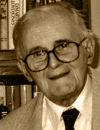 J. Glyn Owen
in Abraham: Back From Rebellion
Listen at 27:01
Intimacy is always about openness, transparency.
 Charles Stanley
in Intimacy With God
Listen at 35:31
This desire for an increasing intimacy with God is expressed in a lot of our hymns.
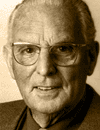 J. Oswald Sanders
in Intimacy With God
Listen at 5:51
Communion with God is the privilege of every true believer.
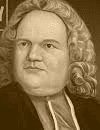 Thomas Reade
in Communion With God
Read in context
Very small things can hinder full communion with God.
 D.L. Moody
in Communion
Read in context
Suffer no idol to have any place in your heart.
Charles Finney
in Communion With God--No. 2
Read in context
First, communion is founded in union, and arises from it.
John Gill
in Of Communion With God.
Read in context
Now Christ delights exceedingly in his saints.
 John Owen
in Communion With Christ
Listen at 1:38
As they pour out their hearts before him, so he pours his blessings into their souls.
Thomas Reade
in Communion With God
Read in context
What Scripture says
- 1 John 1:3 this fellowship of ours is with the Father and with His Son, Jesus Christ
- 2 Corinthians 13:14 the fellowship of the Holy Spirit
- John 17:3 that they may know You, the only true God
- Hebrews 10:19-22 the new and living way
- 1 John 1:6-7 if we walk in the light as He is in the light
- John 14:23 We will come to him and make Our home with him
- Psalm 73:25-28 it is good to draw near to God
- Revelation 3:20 I will come in and dine with him, and he with Me
How this page is made: the quotes are taken word for word from sermons on SermonIndex and checked against them by program before the page is published. The transcripts of audio and video sermons are machine-made, so follow the link to hear the words as they were spoken. The answer above the quotes is an overview with its sources listed; it is not a statement of doctrine by SermonIndex.