
The preachers quoted here explain the parable of the sower as a lesson on hearing the word of God. They go through the four kinds of ground, the hard path, the rocky ground, the thorns and the good soil, and show what keeps the word from bearing fruit, what a good hearer does with it, and why the sower should keep sowing.
The parable of the sower teaches that the word of God is the same good seed wherever it is sown, and that what comes of it depends on the heart that hears it. Jesus gave the key Himself: "Now this is the meaning of the parable: The seed is the word of God." (Luke 8:11). Some hear and keep nothing, some begin and do not last, some are choked by other things, and some hear, hold fast and bear fruit. J.C. Ryle wrote, "The parable is preeminently a parable of caution, and caution about a most important subject--the way of hearing the word of God."1
The story Jesus told
Jesus told the parable to a crowd by the lake. It begins, "A farmer went out to sow his seed." (Mark 4:3). The seed fell in four places. "And as he was sowing, some seed fell along the path, and the birds came and devoured it." (Matthew 13:4). Then, "Some fell on rocky ground, where it did not have much soil. It sprang up quickly because the soil was shallow. But when the sun rose, the seedlings were scorched, and they withered because they had no root." (Matthew 13:5-6). Then, "Other seed fell among thorns, which grew up and choked the seedlings." (Matthew 13:7). Last, "Still other seed fell on good soil and produced a crop—a hundredfold, sixtyfold, or thirtyfold." (Matthew 13:8). Alexander Maclaren wrote, "It was not because Jesus may have seen a sower in a field which had these three varieties of soil that He spoke, but because He saw the frivolous crowd gathered to hear His words."2 Ryle wrote, "The four kinds of hearts it describes are to be found in every assembly which hears the word."3 E.M. Bounds wrote, "The Parable of the Sower is a notable study of preaching, showing its differing effects and describing the diversity of hearers."4 D.L. Moody wrote, "The Master taught in His wonderful parable that there are various kinds of hearers -- those represented by the wayside hearers, the stony ground hearers, the thorny ground hearers, and the good ground hearers; they will remain to the end of time."5
Jesus explained it Himself
The disciples asked what the parable meant, and Jesus told them. He also said, "Do you not understand this parable? Then how will you understand any of the parables?" (Mark 4:13). William Arnot wrote, "The Master takes us, like little children, by the hand and leads us through all the turnings of his first symbolic lesson, lest in our inexperience we should miss our way."6 Arnot added, "The main drift of the parable concerns the ground, and to it accordingly our attention must be chiefly directed."7 John Wesley put the question the parable answers: "The same sower, Christ, and the same preachers sent by him, always sow the same seed: why has it not always the same effect?"8
The sower
Mark records, "The farmer sows the word." (Mark 4:14). Christ is the first sower, and those He sends sow after Him. Maclaren wrote, "All who follow Him, and make His truth known, are sowers in their turn, and have to look for the same issue of their work."9 Charles Spurgeon said, "A true sower, also, is a disseminator of the Word of God."10 He added, "We must really scatter the Living Seed or else we are not worthy of the title of sower."10 Ryle wrote of the preacher, "He can scatter the seed committed to his charge, but he cannot command it to grow: he may offer the word of truth to a people, but he cannot make them receive it and bear fruit."11 Paul said the same of his own work: "I planted the seed and Apollos watered it, but God made it grow." (1 Corinthians 3:6).
The seed is the word of God
The seed in every case is good. Arnot wrote, "The seed is the word, and the word is contained in the Scriptures."12 He added, "When we drop a verse of the Bible into listening ears, we are sowing the seed of the kingdom."13 Peter says that believers are born again "not of perishable seed, but of imperishable, through the living and enduring word of God." (1 Peter 1:23). Spurgeon said, "The Gospel is Seed for the sower and Bread for the eater."10 J. Wilbur Chapman wrote, "The incorruptible seed, which is the Word of God, when it is received into the human heart as good and honest ground, will, without question, produce a satisfactory harvest."14 When the seed fails, the cause lies elsewhere. Spurgeon said, "The fault is not in the seed, for it is the same which has been so useful to others."15
One seed and four kinds of ground
The four soils are four kinds of hearer. Spurgeon said, "The hearers are the ground on which the good seed falls."16 William Bacon Stevens wrote, "Our Savior here distinguishes several kinds of hearers who attend upon the Gospel ministry; and in some one or other of these four classes — does every man in Christendom find his true position."17 Favell Lee Mortimer wrote of the parable, "It describes the characters of all people who hear the gospel; therefore it must describe ours."18 Maclaren wrote of the three failures, "The first sowing never gets into the ground at all; the second grows a little, but its greenness soon withers; the third has a longer life, and a yet sadder failure, because a nearer approach to fertility."19
The path: the word never enters
Jesus said, "When anyone hears the message of the kingdom but does not understand it, the evil one comes and snatches away what was sown in his heart. This is the seed sown along the path." (Matthew 13:19). The path was not bad soil. It was soil trodden hard. Maclaren wrote, "It is of exactly the same soil as the rest, but many passengers have trodden it hard, and the very foot of the sower, as he comes and goes in his work, has helped."20 Arnot wrote, "There is a condition of heart which corresponds to the smoothness, hardness, and wholeness of a frequented footpath, that skirts or crosses a ploughed field."21 J.R. Miller wrote, "So human hearts, at first tender and sensitive to every impression, are trodden over by a thousand influences as life goes on, and often grow like the beaten wayside."22 He added, "One way in which human hearts are thus hardened, is by resisting good impressions."23 Mortimer wrote, "As a beaten path is a soil not prepared to receive seed, so a heart full of trifling thoughts is not prepared to receive the gospel."18 Maclaren warned that ordinary life can do this: "We are made insensitive to the gospel by the effect of innocent and necessary things, unless we take care to plough up the path along which they travel, and to keep our spirits susceptible by a distinct effort."24
The evil one takes the word away
Luke adds the enemy's aim. "The seeds along the path are those who hear, but the devil comes and takes away the word from their hearts, so that they may not believe and be saved." (Luke 8:12). Ryle wrote, "The first caution that we learn from the parable of the sower, is to beware of the devil when we hear the Word."25 Spurgeon said, "The Word is there and the devil takes it away as easily as a bird removes a seed from the wayside."26 He explained why the devil comes at once: "The lapse of time might give opportunity for thought and thought might lead to repentance and, therefore, the enemy hurries to prevent the hearer from considering the Truth he has heard."26 Mortimer wrote, "It is after faithful sermons have been preached that his hosts are on the alert to efface any impression that may have been made."18 Ryle wrote of careless hearers, "Sunday after Sunday they allow the devil to catch away the good seed that is sown on the surface of their hearts."27
The rocky ground: joy without root
Jesus said, "The seed sown on rocky ground is the one who hears the word and at once receives it with joy. But since he has no root, he remains for only a season. When trouble or persecution comes because of the word, he quickly falls away." (Matthew 13:20-21). Spurgeon explained the picture: "The parable does not refer to ground with stones in it, such as we commonly call stony ground, for that will grow corn well enough—but to soil where there was a hard rock underneath—and only a very thin covering of earth."28 He added, "The rock, never having been broken, provided no depth of earth to plow."28 Maclaren wrote of these hearers, "The persons meant are those of excitable temperament, whose feelings lie on the surface, and can be got at without first passing through the understanding or the conscience."29 A.B. Bruce wrote, "The joy of the stony ground hearer, on the contrary, is a thoughtless joy coming to him through the effects of what he hears upon the imagination and the feelings."30 Spurgeon said, "There is a joy which is not the fruit of Grace, but the growth of Nature."28 Ryle wrote, "The second caution that we learn from the parable of the sower, is to beware of resting on mere temporary impressions when we have heard the word."31 He added, "The tears of some hearers of sermons, and the extravagant delight of others, are no certain marks of conversion."32 He also wrote, "Their impressions are like Jonah's gourd, which came up in a night and perished in a night."33
When trouble comes
The test of the rocky ground is heat. Luke says, "The seeds on rocky ground are those who hear the word and receive it with joy, but they have no root. They believe for a season, but in the time of testing, they fall away." (Luke 8:13). Miller wrote, "If religion were all ease and comfort —they might get along; but there are temptations, crosses and persecutions, and these shallow emotional people cannot stand such hard experiences, and soon are found giving up the struggle and turning back."34 Arnot wrote, "In every season and in every climate the sun of persecution is hot enough to kill the religion which grows in accidentally softened, natural affections, over a whole and unhumbled heart."35 Mortimer wrote, "Those who have felt no godly sorrow will easily be induced to return to the world; they will never consent to make any great sacrifice for Christ's sake."18 Maclaren drew a lesson for those who see quick conversions: "The more earnestly we believe in the possibility of sudden conversions, the more we should remember this warning, and make sure that, if they are sudden, they shall be thorough, which they may be."36
The thorns: the word choked
Jesus said, "Others are like the seeds sown among the thorns. They hear the word, but the worries of this life, the deceitfulness of wealth, and the desire for other things come in and choke the word, and it becomes unfruitful." (Mark 4:18-19). Luke adds pleasures to the list: "The seeds that fell among the thorns are those who hear, but as they go on their way, they are choked by the worries, riches, and pleasures of this life, and their fruit does not mature." (Luke 8:14). Here the seed went in and grew. Arnot wrote, "The roots of the thorns drank up the sap of the ground, while their branches veiled off the sunlight, and thus the good seed, starved beneath and overshadowed above, although it started fair in spring, produced nothing in the autumn."37 He added, "The thorns are robust and can hold their own; the wheat is delicate and needs a protector."38 Spurgeon said, "Sin is very much at home in the human heart and, like an ill weed, it grows apace."15 Wesley wrote, "Cares are thorns to the poor: wealth to the rich; the desire of other things to all."8 Maclaren wrote, "The man who is burdened with the cares of poverty, and the man who is deceived by the false promises of wealth, are really the same man."39 Mortimer wrote, "Pleasure allures the young, and care entangles the old--reputation is the desire of one, ease is preferred by another; but each of these is a thorn, and will prevent the good seed flourishing in the heart."40 Mortimer compared the two classes: "The stony ground hearers were induced to abandon their profession through fear of persecution; the thorny ground hearers, while they continue to make a profession of religion, are enslaved by the love of the world."40
Lawful things in the wrong place
The thorns are not always sins in themselves. Ryle wrote, "The money, the pleasures, the daily business of the world, are so many traps to catch souls."41 He added, "Thousands of things, which in themselves are innocent, become, when followed to excess, little better than soul-poisons, and helps to hell."42 Arnot wrote, "There is a place for cares, and for riches too, -- a place in which they help and do not hinder the kingdom of God."43 He warned, "Watch and pray: these cares and pleasures present themselves at first in humble and submissive guise; it is by their gradual growth that they are enabled to inflict a deadly injury."44 Miller wrote, "The point to be kept in mind—is that the love of Christ in the heart and the Christian graces—are in danger of being choked out by other affections springing up in the same soil."45 Spurgeon said, "No doubt multitudes, who receive Christianity, become regular attendants at our place of worship, and are honest in their moral character; but Christ is not all in all to them."15 Jesus gave the remedy in another place: "But seek first the kingdom of God and His righteousness, and all these things will be added unto you." (Matthew 6:33).
The good soil: hearing, holding, bearing
Jesus said, "But the seeds on good soil are those with a noble and good heart, who hear the word, cling to it, and by persevering produce a crop." (Luke 8:15). Matthew has, "But the seed sown on good soil is the one who hears the word and understands it." (Matthew 13:23). Ryle wrote of these hearers, "These are they who really receive Christ's truth into the bottom of their hearts, believe it implicitly, and obey it thoroughly."46 He added, "The Word of God must be received into our hearts, and become the mainspring of our conduct: it must produce practical impressions on our inward man, that shall appear in our outward behaviour."47 Miller wrote, "The soil is diligently watched, no thorn being allowed to spring up to choke out the golden wheat."48 Bounds wrote, "The good-ground hearers are profited by the sowing, simply because their minds have been prepared for the reception of the seed, and that, after hearing, they have cultivated the seed sown in their hearts, by the exercise of prayer."4 Jonathan Edwards said, "None will bring forth fruit with patience, but those whose hearts are become good ground."49
Fruit is the test
The parable ends with a harvest. Jesus said elsewhere, "This is to My Father's glory, that you bear much fruit, proving yourselves to be My disciples." (John 15:8). Ryle wrote, "There must be fruits of the Spirit in our hearts and lives, or else the Gospel is preached to us in vain."50 Stevens wrote, "Fruit production is the absolute condition and requirement of the Christian life."51 He added, "This alone evidences that we have received the seed, that we have kept the seed, and that the soil is good."52 Maclaren wrote, "If there is not fruit, manifestly there has been no real understanding of the word."53 The harvest is not the same in every life. Maclaren wrote, "There is variety in the degree of fruitfulness, according to the goodness of the soil; that is to say, according to the thoroughness and depth of the reception of the word."54
What the parable says of those who did not last
The parable says that the rocky ground hearers believe for a season and fall away, and that the fruit of the thorny ground hearers does not mature. It does not say more than that. It was given to warn. Ryle wrote, "There is only one class of hearers which is right in the sight of God."55 Arnot wrote of early promise, "Man, who looks only on the outward appearance, cannot with certainty determine in whom this promise of spring will be blasted by the summer heat, and in whom it will yield a manifold return to the reaper."56 Hebrews gives the same warning to all who hear: "We must pay closer attention, therefore, to what we have heard, so that we do not drift away." (Hebrews 2:1).
Where preachers differ
Preachers differ on whether the hearers who failed were ever truly born again. Some read both the rocky and the thorny ground as people who were never converted. Ryle wrote of the rocky ground hearers, "There is no real work of conversion in their inward man."57 Spurgeon said to the thorny ground hearer, "Though you may be nominally a believer in the Word of God, it has never so affected you as to make you gracious and holy."15 Others read the thorny ground hearer as a real believer whose life bears nothing. Maclaren wrote of him, "He very likely does not know that the seed is choked, and that he has become unfruitful."58 He went on to say that "he is a stunted, useless Christian, with all the sap and nourishment of his soul given to his worldly position"59. Miller wrote, "The seed on thorny ground is not altogether killed—but the growths are so sapped and dwarfed, that they bring no wheat to maturity."60 Both readings agree on what the parable presses: only the hearer who holds the word and bears fruit is the good soil, and no one should rest in a beginning that has borne nothing.
Can the ground be changed?
A field cannot change itself, but a hearer is called to. Maclaren wrote, "There is nothing fixed or necessary in the faults of these three classes, and they are not so much the characteristics of separate types of men as evils common to all hearers, against which all have to guard."61 The prophets used the same picture. "Sow for yourselves righteousness and reap the fruit of loving devotion; break up your unplowed ground. For it is time to seek the LORD until He comes and sends righteousness upon you like rain." (Hosea 10:12). Jeremiah said, "Break up your unplowed ground, and do not sow among the thorns." (Jeremiah 4:3). Charles Finney said, "A preacher may wear out his life and do very little good while there are so many stony ground hearers who have never had their fallow ground broken up."62 Arnot wrote, "Tell God frankly in prayer that your heart is hard, and plead for the Holy Spirit to make it tender."63 He also wrote, "That deep-seated stony hardness of heart which defies all the efforts of human cultivators is often broken small by the hand of God."64 Mortimer wrote of the thorns, "We must apply to God to take the thorns out of our hearts; we cannot do it ourselves, but God is willing to do it for us."40 Miller wrote, "The lesson is the importance of the cultivation of the heart after the good seed has been sown in it."65 Arnot noted that the parable itself stops short of this: "The Teacher was content in this lesson to tell us what the good ground produces; we must discover elsewhere in the Scriptures whence its goodness is derived."66 God promises what the hearer cannot do: "I will give you a new heart and put a new spirit within you; I will remove your heart of stone and give you a heart of flesh." (Ezekiel 36:26).
Take care how you hear
Jesus closed the parable with a call: "He who has ears to hear, let him hear." (Mark 4:9). After explaining it He said, "Pay attention, therefore, to how you listen." (Luke 8:18). Bounds wrote, "No one for a moment believes, that so much of present-day sowing would go fruitless if only the hearers would prepare the ground of their hearts beforehand by prayer and meditation."4 Wesley wrote, "A vast majority of those who hear the word of God, receive the seed as by the highway side."8 James says, "Therefore, get rid of all moral filth and every expression of evil, and humbly accept the word planted in you, which can save your souls." (James 1:21). He adds, "Be doers of the word, and not hearers only. Otherwise, you are deceiving yourselves." (James 1:22).
Encouragement for those who sow
The sower in the parable lost much seed and still had a harvest. Maclaren wrote, "It is folly to sow on the hard footpath, or the rocky ground, or among thorns; but Christ and His servants have to do that, in endless hope that these unreceptive hearts may become good soil."67 He added, "One lesson of the parable is, Scatter the seed everywhere, on the most unlikely places."68 Spurgeon said, "If we were responsible for the effect of the Gospel upon the hearts of men, we should be in a sorry plight, indeed, but we are only responsible for the sowing of the Good Seed."10 He added, "Even though many should turn out to be as the rock, the wayside, or the thorny ground, still it is a cheering circumstance that the Seed can be sown broadcast over so large an acreage."26 God has given His word about the seed: "For just as rain and snow fall from heaven and do not return without watering the earth, making it bud and sprout, and providing seed to sow and food to eat, so My word that proceeds from My mouth will not return to Me empty, but it will accomplish what I please, and it will prosper where I send it." (Isaiah 55:10-11). The psalm says, "Those who sow in tears will reap with shouts of joy. He who goes out weeping, bearing a trail of seed, will surely return with shouts of joy, carrying sheaves of grain." (Psalm 126:5-6).
- J.C. Ryle, Expository Thoughts On Luke, "Luke 8:4-15".
- Alexander Maclaren, Expositions of Holy Scripture: Mark, "Four soils for one seed".
- J.C. Ryle, Expository Thoughts On Luke, "Luke 8:4-15".
- E.M. Bounds, "Prayer and the Word of God (Continued)" (sermon).
- D.L. Moody, To The Work To The Work, "Chapter i. take ye away the stone".
- William Arnot, The Parables Of Our Lord, "I. the sower".
- William Arnot, The Parables Of Our Lord, "I. the sower".
- John Wesley, "John Wesley's Explanatory Notes - Matthew 13" (sermon).
- Alexander Maclaren, Expositions Of Holy Scripture B, "Four sowings and one ripening".
- C.H. Spurgeon, "The Sower" (sermon).
- J.C. Ryle, Expository Thoughts On Matthew, "Matthew 13:1-23".
- William Arnot, The Parables Of Our Lord, "I. the sower".
- William Arnot, The Parables Of Our Lord, "I. the sower".
- J. Wilbur Chapman, "A Successful Personal Worker" (sermon).
- C.H. Spurgeon, "Sown Among Thorns" (sermon).
- C.H. Spurgeon, "Preaching! Man's Privilege and God's Power" (sermon).
- William Bacon Stevens, Parables of the New Testament, Practically Unfolded, "The Sower".
- Favell Lee Mortimer, "Matthew 13:18-21. the Explanation of the Former Part of the Parable of the Sower" (sermon).
- Alexander Maclaren, Expositions of Holy Scripture: Mark, "Four soils for one seed".
- Alexander Maclaren, Expositions Of Holy Scripture B, "Four sowings and one ripening".
- William Arnot, The Parables Of Our Lord, "I. the sower".
- James R. Miller, Writings of James R Miller - Volume 1, "Volume 5".
- James R. Miller, Writings of James R Miller - Volume 1, "Volume 5".
- Alexander Maclaren, Expositions Of Holy Scripture B, "Four sowings and one ripening".
- J.C. Ryle, Expository Thoughts On Luke, "Luke 8:4-15".
- C.H. Spurgeon, "Satan's Punctuality, Power and Purpose" (sermon).
- J.C. Ryle, Expository Thoughts on Mark, "Mark 4:1-20".
- C.H. Spurgeon, "The Seed Upon Stony Ground" (sermon).
- Alexander Maclaren, Expositions Of Holy Scripture B, "Four sowings and one ripening".
- Alexander B. Bruce, Writings of Alexander B Bruce, "Chapter 1. The Sower".
- J.C. Ryle, Expository Thoughts On Luke, "Luke 8:4-15".
- J.C. Ryle, Expository Thoughts On Luke, "Luke 8:4-15".
- J.C. Ryle, Expository Thoughts on Mark, "Mark 4:1-20".
- James R. Miller, Writings of James R Miller - Volume 1, "Volume 5".
- William Arnot, The Parables Of Our Lord, "I. the sower".
- Alexander Maclaren, Expositions of Holy Scripture: Mark, "Four soils for one seed".
- William Arnot, The Parables Of Our Lord, "I. the sower".
- William Arnot, The Parables Of Our Lord, "I. the sower".
- Alexander Maclaren, Expositions Of Holy Scripture B, "Four sowings and one ripening".
- Favell Lee Mortimer, "Matthew 13:22, 23. the Explanation of the Latter Part of the Parable of the Sower" (sermon).
- J.C. Ryle, Expository Thoughts On Luke, "Luke 8:4-15".
- J.C. Ryle, Expository Thoughts On Luke, "Luke 8:4-15".
- William Arnot, The Parables Of Our Lord, "I. the sower".
- William Arnot, The Parables Of Our Lord, "I. the sower".
- James R. Miller, Writings of James R Miller - Volume 1, "Volume 5".
- J.C. Ryle, Expository Thoughts on Mark, "Mark 4:1-20".
- J.C. Ryle, Expository Thoughts On Matthew, "Matthew 13:1-23".
- James R. Miller, Writings of James R Miller - Volume 1, "Volume 5".
- Jonathan Edwards, "Hypocrites Deficient in the Duty of Prayer" (sermon).
- J.C. Ryle, Expository Thoughts On Luke, "Luke 8:4-15".
- William Bacon Stevens, Parables of the New Testament, Practically Unfolded, "The Sower".
- William Bacon Stevens, Parables of the New Testament, Practically Unfolded, "The Sower".
- Alexander Maclaren, Expositions Of Holy Scripture B, "Four sowings and one ripening".
- Alexander Maclaren, Expositions Of Holy Scripture B, "Four sowings and one ripening".
- J.C. Ryle, Expository Thoughts On Luke, "Luke 8:4-15".
- William Arnot, The Parables Of Our Lord, "I. the sower".
- J.C. Ryle, Expository Thoughts on Mark, "Mark 4:1-20".
- Alexander Maclaren, Expositions Of Holy Scripture B, "Four sowings and one ripening".
- Alexander Maclaren, Expositions Of Holy Scripture B, "Four sowings and one ripening".
- James R. Miller, Writings of James R Miller - Volume 1, "Volume 5".
- Alexander Maclaren, Expositions of Holy Scripture: Mark, "Four soils for one seed".
- Charles Finney, Lectures on Revival, "How to Promote a Revival".
- William Arnot, The Parables Of Our Lord, "I. the sower".
- William Arnot, The Parables Of Our Lord, "I. the sower".
- James R. Miller, Writings of James R Miller - Volume 1, "Volume 5".
- William Arnot, The Parables Of Our Lord, "I. the sower".
- Alexander Maclaren, Expositions Of Holy Scripture B, "Four sowings and one ripening".
- Alexander Maclaren, Expositions Of Holy Scripture B, "Four sowings and one ripening".
In their own words
Each line below is quoted exactly from a sermon on this site. Follow the link to hear or read it where it was said.
The Parable of the Sower is a notable study of preaching, showing its differing effects and describing the diversity of hearers.
 E.M. Bounds
in Prayer and the Word of God (Continued)
Read in context
The good-ground hearers are profited by the sowing, simply because their minds have been prepared for the reception of the seed, and that, after hearing, they have cultivated the seed sown in their hearts, by the exercise of prayer.
E.M. Bounds
in Prayer and the Word of God (Continued)
Read in context
No one for a moment believes, that so much of present-day sowing would go fruitless if only the hearers would prepare the ground of their hearts beforehand by prayer and meditation.
E.M. Bounds
in Prayer and the Word of God (Continued)
Read in context
The same sower, Christ, and the same preachers sent by him, always sow the same seed: why has it not always the same effect?
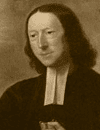 John Wesley
in John Wesley's Explanatory Notes - Matthew 13
Read in context
Cares are thorns to the poor: wealth to the rich; the desire of other things to all.
John Wesley
in John Wesley's Explanatory Notes - Matthew 13
Read in context
A vast majority of those who hear the word of God, receive the seed as by the highway side.
John Wesley
in John Wesley's Explanatory Notes - Matthew 13
Read in context
A true sower, also, is a disseminator of the Word of God.
 C.H. Spurgeon
in The Sower
Read in context
We must really scatter the Living Seed or else we are not worthy of the title of sower.
C.H. Spurgeon
in The Sower
Read in context
The Gospel is Seed for the sower and Bread for the eater.
C.H. Spurgeon
in The Sower
Read in context
If we were responsible for the effect of the Gospel upon the hearts of men, we should be in a sorry plight, indeed, but we are only responsible for the sowing of the Good Seed.
C.H. Spurgeon
in The Sower
Read in context
The incorruptible seed, which is the Word of God, when it is received into the human heart as good and honest ground, will, without question, produce a satisfactory harvest.
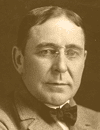 J. Wilbur Chapman
in A Successful Personal Worker
Read in context
The fault is not in the seed, for it is the same which has been so useful to others.
C.H. Spurgeon
in Sown Among Thorns
Read in context
Sin is very much at home in the human heart and, like an ill weed, it grows apace.
C.H. Spurgeon
in Sown Among Thorns
Read in context
No doubt multitudes, who receive Christianity, become regular attendants at our place of worship, and are honest in their moral character; but Christ is not all in all to them.
C.H. Spurgeon
in Sown Among Thorns
Read in context
Though you may be nominally a believer in the Word of God, it has never so affected you as to make you gracious and holy.
C.H. Spurgeon
in Sown Among Thorns
Read in context
The hearers are the ground on which the good seed falls.
C.H. Spurgeon
in Preaching! Man's Privilege and God's Power
Read in context
It describes the characters of all people who hear the gospel; therefore it must describe ours.
 Favell Lee Mortimer
in Matthew 13:18-21. the Explanation of the Former Part of the Parable of the Sower.
Read in context
As a beaten path is a soil not prepared to receive seed, so a heart full of trifling thoughts is not prepared to receive the gospel.
Favell Lee Mortimer
in Matthew 13:18-21. the Explanation of the Former Part of the Parable of the Sower.
Read in context
It is after faithful sermons have been preached that his hosts are on the alert to efface any impression that may have been made.
Favell Lee Mortimer
in Matthew 13:18-21. the Explanation of the Former Part of the Parable of the Sower.
Read in context
Those who have felt no godly sorrow will easily be induced to return to the world; they will never consent to make any great sacrifice for Christ's sake.
Favell Lee Mortimer
in Matthew 13:18-21. the Explanation of the Former Part of the Parable of the Sower.
Read in context
The Word is there and the devil takes it away as easily as a bird removes a seed from the wayside.
C.H. Spurgeon
in Satan's Punctuality, Power and Purpose
Read in context
The lapse of time might give opportunity for thought and thought might lead to repentance and, therefore, the enemy hurries to prevent the hearer from considering the Truth he has heard.
C.H. Spurgeon
in Satan's Punctuality, Power and Purpose
Read in context
Even though many should turn out to be as the rock, the wayside, or the thorny ground, still it is a cheering circumstance that the Seed can be sown broadcast over so large an acreage.
C.H. Spurgeon
in Satan's Punctuality, Power and Purpose
Read in context
The parable does not refer to ground with stones in it, such as we commonly call stony ground, for that will grow corn well enough—but to soil where there was a hard rock underneath—and only a very thin covering of earth.
C.H. Spurgeon
in The Seed Upon Stony Ground
Read in context
The rock, never having been broken, provided no depth of earth to plow.
C.H. Spurgeon
in The Seed Upon Stony Ground
Read in context
There is a joy which is not the fruit of Grace, but the growth of Nature.
C.H. Spurgeon
in The Seed Upon Stony Ground
Read in context
Pleasure allures the young, and care entangles the old--reputation is the desire of one, ease is preferred by another; but each of these is a thorn, and will prevent the good seed flourishing in the heart.
Favell Lee Mortimer
in Matthew 13:22, 23. the Explanation of the Latter Part of the Parable of the Sower.
Read in context
The stony ground hearers were induced to abandon their profession through fear of persecution; the thorny ground hearers, while they continue to make a profession of religion, are enslaved by the love of the world.
Favell Lee Mortimer
in Matthew 13:22, 23. the Explanation of the Latter Part of the Parable of the Sower.
Read in context
We must apply to God to take the thorns out of our hearts; we cannot do it ourselves, but God is willing to do it for us.
Favell Lee Mortimer
in Matthew 13:22, 23. the Explanation of the Latter Part of the Parable of the Sower.
Read in context
None will bring forth fruit with patience, but those whose hearts are become good ground.
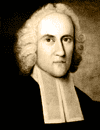 Jonathan Edwards
in Hypocrites Deficient in the Duty of Prayer
Read in context
What Scripture says
- Luke 8:11 the seed is the word of God
- Matthew 13:19 the path: the evil one snatches away what was sown
- Matthew 13:20-21 the rocky ground: joy at once, but no root
- Mark 4:18-19 the thorns: worries, wealth and other desires choke the word
- Luke 8:15 the good soil: hearing, clinging to the word and persevering
- Luke 8:13 believing for a season and falling away in testing
- Luke 8:18 pay attention to how you listen
- James 1:22 be doers of the word and not hearers only
- Hosea 10:12 break up your unplowed ground
- Isaiah 55:10-11 God's word will not return to Him empty
- John 15:8 much fruit proves a disciple
How this page is made: the quotes are taken word for word from sermons on SermonIndex and checked against them by program before the page is published. The transcripts of audio and video sermons are machine-made, so follow the link to hear the words as they were spoken. The answer above the quotes is an overview with its sources listed; it is not a statement of doctrine by SermonIndex.