
The preachers quoted here describe being filled with the Spirit as something God commands and as a continuing thing, not a single event. They explain it as being filled with Christ, having his word dwell in you richly, and being wholly yielded to the Spirit's direction.
The command is in Ephesians 5:18: "be not drunk with wine, wherein is excess; but be filled with the Spirit." The verb is pleroo, to fill.1 The command is in the present tense and addressed to the whole church: it describes something continual, not a single event.
Acts bears this out. The disciples were filled at Pentecost (Acts 2:4). Peter was filled again when he stood before the council (4:8), and the whole company again when they had prayed (4:31). The seven were to be men "full of the Holy Ghost and wisdom" (6:3). The same people are filled more than once, as fresh need arises.
Paul describes the results in the verses that follow: speaking to one another in psalms and hymns, giving thanks always, and submitting to one another (Ephesians 5:19-21). The parallel passage in Colossians puts "Let the word of Christ dwell in you richly" where Ephesians has "be filled with the Spirit" (Colossians 3:16). In Acts the mark is boldness to speak the word (4:31); in Galatians it is the Spirit's fruit (5:22-23).
Scripture attaches conditions. The Father gives the Holy Spirit to them that ask him (Luke 11:13) and to them that obey him (Acts 5:32). Believers are told not to grieve the Spirit (Ephesians 4:30) or quench him (1 Thessalonians 5:19), and to walk in the Spirit (Galatians 5:16).
Here evangelicals differ. Pentecostal teaching holds that the baptism with the Spirit is a distinct experience after conversion; R. A. Torrey taught similarly: "The Baptism with the Holy Spirit is a work of the Holy Spirit separate and distinct from His regenerating work."2 Others answer that every believer is baptized by the Spirit into Christ's body at conversion (1 Corinthians 12:13), and that what follows is repeated filling.
All sides agree on the practical point. To be filled with the Spirit is not to have more of him, as though he came in parts, but for him to have more of us. It is commanded, it is to be sought, and its evidence is likeness to Christ.
- Strong's Greek 4137, plēróō: "to make replete, i.e. (literally) to cram (a net), level up (a hollow), or (figuratively) to furnish (or...".
- R.A. Torrey, Baptism with the Holy Spirit, "The Baptism of the Holy Spirit: What it is and what it does".
In their own words
Each line below is quoted exactly from a sermon on this site. Follow the link to hear or read it where it was said.
The fullness of the Spirit is a constant appropriation of a constant supply from Jesus Christ himself.
 Alan Redpath
in Holy Spirit
Listen at 26:17
So to be filled with the Spirit is a command from God.
 Gerhard Du Toit
in Being Filled With the Holy Spirit
Listen at 11:41
To be filled with the Spirit is a continuous thing.
 Zac Poonen
in Annointing of the Holy Spirit
Listen at 23:21
What the New Testament means by being filled with the Spirit is being filled with the Lord Jesus.
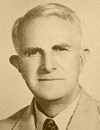 T. Austin-Sparks
in Holy Spirit, Church and Nations - Part 1
Listen at 50:57
Conclusion, to be filled with the Spirit is to have the word of Christ dwelling in you richly.
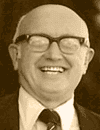 William MacDonald
in Be Filled With the Spirit
Listen at 28:37
To be filled with the Spirit is to be wholeheartedly yielded to His direction in every single area of your life.
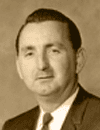 Bob Bruton
in The Holy Spirit
Listen at 3:17
What Scripture says
- Ephesians 5:18 be not drunk with wine, but be filled with the Spirit
- Acts 4:31 when they had prayed they were all filled with the Holy Ghost
- Luke 11:13 the Father gives the Holy Spirit to them that ask him
- Galatians 5:16 walk in the Spirit, and ye shall not fulfil the lust of the flesh
- Colossians 3:16 let the word of Christ dwell in you richly
How this page is made: the quotes are taken word for word from sermons on SermonIndex and checked against them by program before the page is published. The transcripts of audio and video sermons are machine-made, so follow the link to hear the words as they were spoken. The answer above the quotes is an overview with its sources listed; it is not a statement of doctrine by SermonIndex.