
Trust in God's care is a fundamental concept in the Christian faith, emphasizing the believer's reliance on God's providence and sovereignty in all aspects of life. This theme is woven throughout the Bible, with scriptures such as Psalms 23:1, which declares "The Lord is my shepherd, I lack nothing," illustrating God's commitment to guiding and providing for his people. Additionally, Romans 8:28 reassures believers that "in all things God works for the good of those who love him," while Psalms 55:22 encourages them to "cast your cares on the Lord and he will sustain you," demonstrating the importance of trusting in God's care amidst life's challenges. By trusting in God's care, Christians can experience peace, comfort, and assurance, even in the midst of uncertainty and adversity, as they entrust their lives to a loving and faithful God.

John Gill expounds on the providence of God, emphasizing that it is the divine governance and care over all creation. He explains that God's providence is distinct from foreknowledge and predestination, focusing instead on His active involvement in sustaining and directing the universe. Gill illustr

T. Austin-Sparks emphasizes the importance of resting in the Lord's care, as expressed in 1 Peter, where the Apostle Peter reassures believers of God's watchful eye and attentive ear towards the righteous. He encourages Christians to cast their anxieties upon the Lord, highlighting that this act is
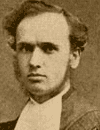
A.B. Simpson emphasizes the profound privilege of consecration, highlighting that we are not our own but belong to God, who lovingly accepts our weaknesses and transforms them into blessings. He reassures us that we are not burdened by our salvation or cares, as we are redeemed and held in God's eve
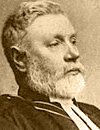
George Matheson delivers a powerful sermon titled 'Riding the Storms,' emphasizing that opposition to God's will can inadvertently serve His divine purpose. He reflects on Acts 4:27-28, illustrating how Herod and Pontius Pilate's actions against Jesus were actually part of God's plan, turning their
John Gill emphasizes the infinite wisdom of God, asserting that it is a fundamental attribute that surpasses human understanding. He illustrates how God's wisdom is evident in His creation, providence, and the redemptive work through Christ, demonstrating that all things are orchestrated for His glo
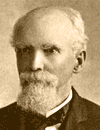
E.M. Bounds emphasizes the inseparable relationship between prayer and divine providence, asserting that prayer invites God's intervention in human affairs and that providence is the outcome of prayer. He explains that God's providence is a direct oversight of all creation, ensuring that nothing occ

George Müller emphasizes the importance of faith in God's sovereignty over life's circumstances, recounting a miraculous incident during his journey to Quebec. Despite the dense fog that seemed to make his travel impossible, Müller confidently declared that his focus was not on the fog but on the li
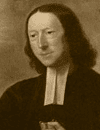
John Wesley explains the significance of the events surrounding the birth of Jesus in Bethlehem, emphasizing the role of the wise men as the first fruits of the Gentiles who recognized the fulfillment of prophecy through the star. He highlights Herod's fear and deceit as he sought to eliminate the n
E.M. Bounds emphasizes the dual nature of God's providence, distinguishing between direct and permissive providences. He illustrates how even afflictive events, originating from wicked intentions, can serve God's purposes for His saints, as seen in the lives of Job and Joseph. Bounds highlights that
George Matheson explores the concept of natural law in the context of God's providence, using the example of the east wind that brought locusts to Egypt as a means of deliverance for His people. He questions why God chose to use a natural phenomenon instead of a more direct intervention, emphasizing