
In the Bible, tears are often symbolic of deep emotional states, including sorrow, grief, and repentance, but can also represent joy and gratitude. For instance, tears of sorrow are prominently featured in passages such as Psalms 56:8, where the psalmist asks God to record his tears, indicating that they are significant to God and that He sees the suffering of His people. Similarly, in John 11:35, the shortest verse in the Bible, "Jesus wept," demonstrates His compassion and empathy in the face of human grief, highlighting that tears can express profound love and shared sorrow.Additionally, tears can signify repentance and a yearning for God’s mercy. In Psalms 126:5, it states, "Those who sow in tears shall reap in joy," suggesting that tears can be part of a transformative process leading to spiritual renewal. Conversely, tears of joy and gratitude are seen in passages like Luke 7:38, where a sinful woman weeps at Jesus' feet, expressing her love and gratitude for His forgiveness. Thus, tears in the biblical context carry a rich tapestry of meanings, reflecting both human vulnerability and the divine response to human emotion.

In this sermon, the speaker discusses a Psalm or a couple of Psalms that focus on weeping, suffering, and grief. The first three verses describe a past event where God did something incredible for the people, fulfilling their dreams beyond imagination. However, the following verses express the curre
In this sermon, the preacher focuses on the importance of experiencing emotional breakings in our relationship with God. He refers to Luke 6:6-13, where Jesus speaks about the different types of soil and how they receive the seed. The preacher emphasizes the need for breakings in our soul, will, min

In this sermon, Pastor Steve Mays discusses the future in heaven and the benefits that believers will experience. He emphasizes that in heaven, there will be no more tears, emotional pain, disappointment, insecurity, fears, or rebellion. Believers will rejoice in their new bodies and be free from ph

In this sermon, the preacher reflects on the struggles and trials that people in America are currently facing. He compares the difficulties of life to the challenges that ducklings face in surviving in a predator-filled lake. The preacher believes that God is angry with America due to its moral deca

In this sermon, the speaker emphasizes the importance of having a passion for the harvest, which refers to reaching out to people with the message of God. He encourages listeners to look at the harvest and learn about it, rather than making excuses or delaying action. The speaker shares a personal s

Thomas Brooks emphasizes that tears carry a profound voice, as God pays attention to both our weeping and our prayers. He illustrates that penitent tears serve as divine ambassadors that bring forth grace from the throne of God, highlighting the example of Peter, whose silent tears led to mercy. Bro
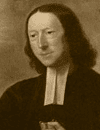
John Wesley delivers a powerful sermon on the reality of hell, emphasizing the eternal consequences of sin and the importance of heeding God's warnings. He highlights the repeated warnings of Jesus about hell's unquenchable fire and the never-dying worm, urging even the faithful to reflect on the se
Thomas Brooks emphasizes the unwavering presence of a compassionate God, whose mercies are essential and never fail, as highlighted in Lamentations 3:22. He describes God's nature as one of mercy, tenderness, and compassion, comparing it to the essential qualities of light and heat. Brooks illustrat

David Wilkerson emphasizes God's unwavering lovingkindness amidst the warnings of judgment found in Isaiah's prophecies. He highlights how, despite Israel's rebellion, Isaiah recalls God's mercies and compassion, urging the people to cry out for help. Wilkerson illustrates that God's lovingkindness

C.H. Spurgeon emphasizes the nature of sin as a cloud that obscures the light of God's presence, illustrating how our transgressions can darken our lives and threaten us with destruction. He highlights the divine mercy of God in 'blotting out' our sins, which removes them entirely through the sacrif