
In the Bible, the concept of sufficiency often refers to the adequacy and completeness of God’s provision for believers. This sufficiency is primarily seen in the context of spiritual and material needs. For instance, 2 Corinthians 3:5 states, "Not that we are sufficient in ourselves to claim anything as coming from us, but our sufficiency is from God." This underscores the idea that true sufficiency is not found in human ability or resources but in reliance on God's power and grace.Moreover, Philippians 4:19 reinforces this theme with the promise, "And my God will supply every need of yours according to his riches in glory in Christ Jesus." Here, sufficiency is tied to God’s generous provision, assuring believers that He knows their needs and will meet them. Additionally, 2 Peter 1:3 highlights that God's divine power has granted us everything necessary for life and godliness, illustrating that through Christ, believers have all they require for spiritual growth and fulfillment. Thus, biblical sufficiency emphasizes trust in God's provision and grace, ensuring that believers are equipped for their spiritual journey and daily lives.

Bill Stafford emphasizes that God is our sufficiency, urging believers to trust in Him during life's storms and challenges. He reflects on the importance of living a luminous and transparent life that reflects Jesus, rather than conforming to worldly standards. Stafford encourages the church to be a
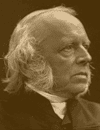
Andrew Bonar shares a heartfelt message of comfort and encouragement, reflecting on the afflictions faced by Naomi in Ruth 1:21, emphasizing that God, the 'All-sufficient One,' provides solace even in times of distress. He encourages his friend to find spiritual refreshment amidst the weariness of l

John Gill emphasizes the sufficiency and perfection of God, explaining that God is self-sufficient and does not require anything from creation to sustain His happiness or existence. He highlights that God's nature is perfect and complete, lacking nothing, and that all goodness and perfection origina

G. Campbell Morgan explores the profound lessons from the Book of Ruth, emphasizing that true saintship is not defined by circumstances but by faith and loyalty to God. He highlights the characters of Ruth and Boaz, who exemplify courage and integrity amidst adversity, demonstrating that God is suff

A.W. Tozer emphasizes the eternal and all-sufficient nature of God, challenging modern individuals to reflect on God's self-existence and the futility of thinking we can contribute to Him through our offerings. He highlights that God is uncreated, eternal, and beyond the constraints of time and spac

Thomas Brooks preaches on the name 'El-Shaddai,' which means 'God Almighty' as stated in Genesis 35:11. He emphasizes that God embodies omnipotence and sufficiency, being an all-sufficient, self-sufficient, and independent good. Brooks highlights that God is the absolute and original good, the unive
Thomas Brooks emphasizes the inherent vanity of man, stating that even at his best, he is in constant need of various essentials for survival. In contrast, God is portrayed as the embodiment of infinite perfection, self-sufficient and lacking nothing, possessing all excellencies within Himself. Broo

Chuck Smith explores the profound question 'Who am I?' as posed by Moses after forty years of shepherding in the desert. He emphasizes that Moses' initial confidence, stemming from his royal upbringing, was transformed into humility and self-doubt, leading him to realize that it is not about who he

A.B. Simpson emphasizes the all-sufficiency of God as revealed through the life of Paul, who bequeaths his God to his disciples, assuring them that God will supply all their needs according to His riches in glory by Christ Jesus. Paul exemplifies the transformative power of God, showcasing how even

David Wilkerson emphasizes that Jesus is the light of the world, and this light is derived from the life He lived. He explains that the 'life behind the light' refers not only to eternal existence but also to the entirety of Jesus' earthly experiences and actions. Wilkerson encourages believers to r