
Spiritual decision-making is a profound aspect of the Christian faith, emphasizing the necessity of choosing between the paths of righteousness and unrighteousness. In 1 Kings 18:21, the prophet Elijah challenges the people of Israel, asking, 'How long will you waver between two opinions? If the Lord is God, follow Him; but if Baal is God, follow him.' This pivotal moment illustrates the urgency of making a definitive choice in our spiritual lives. The New Testament echoes this sentiment, as James 1:8 warns against being 'double-minded,' highlighting the instability that arises from indecision. Jesus further emphasizes the importance of commitment in Matthew 6:24, stating, 'No one can serve two masters.' This call to decisiveness is not merely about choosing sides but about aligning one's heart and actions with the truth of God's Word. The unreasonableness of indetermination in religion is underscored in Revelation 3:15-16, where the Lord expresses His disdain for lukewarm faith. Ultimately, spiritual decisions shape our relationship with God and our witness to the world, as we are reminded in Joshua 24:15 to 'choose for yourselves this day whom you will serve.' In making these choices, believers are called to seek divine guidance, trusting in God's promise that He will direct their paths (Proverbs 3:5-6).

Catherine Booth preaches about the importance of making a decisive choice between serving God or following worldly idols, using the story of Elijah confronting the people of Israel who were wavering between worshiping God and Baal. She emphasizes the consequences of influencing others towards sin an
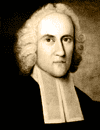
Jonathan Edwards preaches about the unreasonableness of being indecisive in religion, using the example of Elijah challenging the people to choose between the Lord and Baal. He emphasizes the importance of making a firm decision in matters of faith, highlighting the folly of wavering between two opi