
The concept of "Rest in Christ" is a fundamental aspect of Christian theology, rooted in the biblical promise of spiritual rest and rejuvenation found in Jesus Christ. As expressed in Matthew 11:28-30, Jesus invites believers to come to Him and find rest for their souls, offering a respite from the burdens and weariness of life. This idea is further developed in Hebrews 4:9-11, which describes the ultimate rest that believers will experience in eternity, and is also alluded to in Psalms 23:1-2, where the psalmist declares that the Lord is his shepherd, guiding him to green pastures and still waters, symbolizing a state of spiritual rest and tranquility. Through faith in Christ, believers can experience this rest, trusting in God's sovereignty and provision, as affirmed in Romans 8:28, where it is written that all things work together for the good of those who love Him.
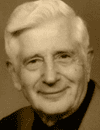
R. Edward Miller emphasizes the superiority of Jesus Christ over Moses and the law, illustrating that while the law provided a framework for living, it did not offer true rest. He explains that true rest comes from faith in Christ, who invites us to cease from our own works and find peace within. Mi

Leonard Ravenhill addresses the concept of a restless generation, emphasizing the burdens of sin, guilt, and societal pressures that weigh heavily on individuals today. He reminds the congregation that Jesus invites all who are weary and heavy-laden to come to Him for rest, highlighting the importan

Phil Beach Jr. emphasizes the call to come to Jesus, highlighting the importance of humility and brokenness in receiving God's grace. He warns against the seductive spirit that distracts from Christ's victory and righteousness, urging believers to recognize their burdens and seek rest in Him. The se
Phil Beach Jr. emphasizes the importance of coming to Jesus Christ as the source of rest and transformation in our lives. He warns against the spirit of lawlessness and rebellion that distracts us from knowing Christ, urging believers to adopt a posture of humility and brokenness. By coming to Jesus

Andrew Murray emphasizes the profound promise of Jesus in Matthew 11:28-29, which offers rest for the soul to those who come to Him. He explains that true rest is found not just in the initial acceptance of Christ but in abiding in Him through complete surrender and obedience. Murray highlights that

Horatius Bonar expounds on Lamech's prophetic declaration regarding Noah, emphasizing the dual nature of the prophecy that points to both Noah and a greater deliverer. Lamech's words reflect a deep faith in God's promise to alleviate the curse of toil and bring comfort to humanity, highlighting the

C.H. Spurgeon reflects on the end of Israel's wanderings and their arrival in the promised land, symbolizing the rest and joy that believers can find in Christ. He encourages Christians to embrace the hope of eternal rest with Jesus, despite the challenges that may lie ahead, such as the Jordan Rive

Brian Guerin emphasizes the significance of accepting the yoke of Jesus, as described in Matthew 11:28-30, which invites those who are weary to find rest in Him. He explains that coming to Jesus requires a childlike faith, turning away from distractions to interface intimately with Him. Guerin highl

David Wilkerson emphasizes the significance of entering God's promised rest, which is achieved through complete trust in Christ's finished work of salvation. He explains that this rest signifies the end of human striving for peace and the necessity of relying solely on Jesus' grace. Wilkerson highli
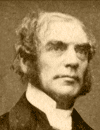
Octavius Winslow emphasizes the profound rest found in Jesus, urging weary souls to recognize Him as their true resting-place. He highlights the importance of understanding Jesus not just as a concept but as a personal Savior who invites us to come to Him directly for comfort and assurance. Winslow

A.W. Tozer emphasizes the profound spiritual burdens that weigh heavily on the lost man, including alienation from God, the burden of sin, fear, pride, and self. He explains that these burdens cannot be alleviated through worldly means but can only be lifted by coming to Jesus, who offers rest and r
Horatius Bonar emphasizes the compassionate invitation of Jesus to the weary and burdened, highlighting that it is not mere human sympathy but the divine love of God reaching out to offer true rest. He addresses the inhabitants of Galilee, who were deemed the least deserving, yet are called to recei
David Wilkerson emphasizes that God has promised His people a profound rest that brings peace and security to the soul, a promise that was offered to the children of Israel but largely unfulfilled due to their unbelief. He highlights that while Christians may feel victorious in times of ease, they o

Charles Finney emphasizes the concept of 'rest' for believers as a state of faith and trust in Christ, distinct from inactivity or the ultimate rest of heaven. He explains that this rest involves ceasing from personal works and self-reliance, allowing Christ to be the source of righteousness and str

A.B. Simpson emphasizes the profound rest that comes from exchanging our burdens with Christ, highlighting the invitation He extends to those who are weary and heavy-laden. By taking on His yoke, we find that His burdens are lighter and more manageable than our own, allowing us to experience true pe
A.B. Simpson emphasizes that true rest cannot be achieved through external circumstances or temporary relief, but rather through the life and strength of God. He illustrates that deliverance from troubles or fulfilling home ties does not guarantee peace, as new challenges will always arise. Just as

F.B. Meyer emphasizes that while it may seem counterintuitive for weary souls to find rest by taking on a yoke, Jesus invites us to share in His yoke, which He carries alongside us. This yoke is not a burden but a partnership, where Jesus, as our yokefellow, lightens our load and guides us through l

Thomas Brooks emphasizes that this life is filled with trials, troubles, and constant changes, preventing Christians from finding true rest until they reach the bosom of Christ. He likens the Christian life to a race and a warfare, highlighting that true rest cannot be found while still engaged in t

Chuck Smith addresses the people of God who, despite their chosen status and blessings, live in ungodliness and contempt for God's word. He emphasizes that true rest can only be found in Christ, contrasting the false comforts of morality, religious observance, and past experiences, which ultimately

J.R. Miller emphasizes the importance of guarding the sacred trusts God has given us, urging believers to live each day with purpose and faithfulness. He illustrates that our responsibilities, whether in relationships, duties, or our Christian walk, require diligence and a commitment to purity, akin
F.B. Meyer emphasizes the unchanging nature of God in his sermon 'Our Daily Homily - Hebrews', contrasting God's eternal consistency with the transient nature of creation, humanity, and our own emotions. He highlights that while great figures of faith have come and gone, God remains the same, provid

John Nelson Darby emphasizes that Jesus is the sole source of rest for the weary and heavy laden, calling all who feel burdened by sin and separation from God. He highlights that true rest comes not just from alleviation of troubles but from a deep, peaceful relationship with the Father through the
John Nelson Darby emphasizes the three key elements for believers: the rest that remains for God's people, the power of the Word of God, and the priesthood of Christ. He explains that while believers have not yet attained the heavenly rest, they are called to rest in God's love and grace, having the
A.W. Tozer emphasizes the true nature of the human burden, arguing that it is not merely physical or social issues like poverty, war, or sickness, but a deeper spiritual burden that weighs on every individual. He explains that while society often seeks solutions through economic or political means,