
Practical theology refers to the application of biblical principles and teachings to everyday life, guiding Christians in their faith, worship, and service. As the Bible instructs, "faith without works is dead" (James 2:26), emphasizing the importance of putting one's beliefs into practice. The apostle Paul's encouragement to "do everything for the glory of God" (1 Corinthians 10:31) and to "trust in the Lord with all your heart" (Proverbs 3:5) underscores the significance of integrating theology into daily life, allowing Christians to live out their faith in a meaningful and intentional way. By embracing practical theology, believers can deepen their relationship with God and embody the teachings of Scripture, such as loving their neighbors as themselves (Mark 12:31), in their personal and communal lives.

Shane Idleman addresses the critical question of whether the Bible represents absolute truth or mere tolerance, emphasizing the necessity of understanding and applying God's Word in a practical, impactful way. He argues that theology must be 'on fire'--alive and relevant--rather than dry and academi

J. Vernon McGee addresses the question of how we can be certain that the Bible is the Word of God, emphasizing the importance of both internal evidence and scriptural examination. He acknowledges the validity of the question and aims to provide a comprehensive answer through various proofs found wit
J. Vernon McGee emphasizes the concept of verbal plenary inspiration, asserting that every word of the Scriptures is divinely inspired and authoritative. He references early Church Fathers like Irenaeus and Augustine to support the belief that the Scriptures are perfect and cannot err. McGee encoura
Shane Idleman addresses the dangers of false teachers who promote a message of doing what feels good, contrasting it with the truth of God's Word. He emphasizes that true prophets align their messages with Scripture, warning against the allure of cultural acceptance and the temptation to indulge in
Shane Idleman emphasizes the importance of humility in ministry, arguing that New Testament prophets do not hold the same authority as Scripture and that titles like 'prophet' or 'apostle' can lead to arrogance and self-exaltation. He points out that the early church was primarily led by teachers, n

John Gill addresses the debate surrounding infant baptism, arguing against the reliance on apostolic tradition as a basis for the practice. He emphasizes that the arguments presented in favor of infant baptism are not new and have been previously countered, asserting that the Bible should be the sol

R.A. Torrey presents ten compelling reasons for believing that the Bible is the Word of God, beginning with the authority of Jesus Christ, who affirmed the divine authorship of both the Old and New Testaments. He emphasizes the fulfilled prophecies, the unity of the Bible despite its diverse authors
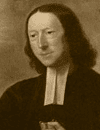
John Wesley emphasizes the gradual growth of faith and the importance of genuine expression of one's heart. He warns against the dangers of fashionable vices and stresses the necessity of seeking wisdom from God through His Word. Wesley passionately advocates for the authority of Scripture, assertin
John Gill emphasizes that the Scriptures are the sole authoritative guide in matters of faith, urging believers to seek the 'old paths' for spiritual direction. He warns against relying on human traditions, customs, or the teachings of men, asserting that true understanding and doctrine must be deri

A.W. Tozer emphasizes the enduring truth of God's Word, arguing against the modern tendency to reinterpret Scripture in light of contemporary beliefs and societal changes. He calls for a reformation in the faith of Christians, urging them to affirm the Bible's relevance and authority rather than vie