
The biblical concept of "Power over Death" is a central theme in Christian theology, emphasizing God's sovereignty and ultimate triumph over mortality. As stated in 1 Corinthians 15:55, "Where, O death, is your victory? Where, O death, is your sting?" this power is rooted in the resurrection of Jesus Christ, who defeated death and secured eternal life for believers. Through faith in Christ, Christians can claim victory over death, as affirmed in Romans 8:38-39, which declares that nothing, including death, can separate believers from God's love. Ultimately, this power over death offers hope and comfort to believers, as expressed in Psalms 23:4, where David trusts in God's presence and guidance even in the face of death.

R.A. Torrey explores the profound encounter between Jesus and the widow of Nain, emphasizing the deep sorrow of the widow who lost her only son and the compassionate response of Christ. He highlights how Jesus, moved by her grief, intervened without being asked, demonstrating His divine authority ov

D.L. Moody emphasizes the compassionate nature of Christ, who never preached funeral sermons but instead offers hope and victory over death through faith. He encourages believers to take their stand on the Rock of Ages, assuring them that Christ's love and grace are available to all, regardless of t

Robert Murray M'Cheyne emphasizes the deep compassion of Christ, who weeps over the lost, just as He did for Jerusalem. He highlights that the gospel is essential for peace, offering solace to the troubled and a remedy for sin. M'Cheyne warns of the fleeting nature of grace, urging listeners to seiz
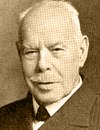
Smith Wigglesworth emphasizes the transformative power of Christ's resurrection, urging believers to press on toward a deeper relationship with God and to be filled with His fullness. He illustrates that true ministry comes from living out the resurrection power in our lives, as exemplified by the A

David Wilkerson preaches about the profound love and compassion of Jesus, who came to seek and save the lost while humbly serving others. Despite performing miraculous acts of healing and delivering people from bondage, Jesus was hated without cause, primarily because he brought light into a world t

C.H. Spurgeon emphasizes the profound compassion of Jesus, who came to earth not for business but solely to save humanity. Unlike the Samaritan who helped out of circumstance, Jesus willingly entered our suffering, experiencing the full weight of our sins and wounds. He was not just a bystander but
R.A. Torrey explores Jesus' first evangelistic tour in Galilee, emphasizing His mission to preach and heal, as well as the importance of faith in seeking blessings. The sermon highlights the leper's encounter with Jesus, illustrating the connection between leprosy and sin, and how imperfect faith ca

Chuck Smith shares the story of a leper who approaches Jesus with faith, believing that if Jesus is willing, He can cleanse him from his incurable disease. The leper's condition symbolizes sin, which can destroy lives and lead to spiritual death, yet Jesus responds with compassion, touching the lepe

J.R. Miller emphasizes the profound compassion of Christ, illustrating how Jesus consistently showed sympathy for the weak and wronged in a world that often oppressed them. He highlights that the modern institutions of care for the needy are a continuation of Christ's ministry, as He was always sens

Andrew Bonar emphasizes the profound compassion of Jesus as illustrated by the leper who boldly approached Him, seeking healing despite societal rejection. The leper's faith, expressed in his plea, 'If thou wilt, thou canst make me clean,' showcases the struggle between doubt and belief in God's wil