
In the Bible, lying is generally considered a serious moral failing and is often associated with deceit, falsehood, and the violation of truth. The Hebrew term for lying, "שָׁקֶר" (sheqer), signifies falsehood or deception, while the Greek term "ψεύδος" (pseudos) carries a similar connotation. The Ninth Commandment explicitly prohibits bearing false witness (Exodus 20:16), emphasizing the importance of truthfulness in interpersonal relationships and communal integrity. Proverbs 12:22 states, "The Lord detests lying lips, but he delights in people who are trustworthy," highlighting the moral and spiritual implications of lying in the eyes of God.Lying is also depicted as a characteristic of the devil in John 8:44, where Jesus states that the devil "was a murderer from the beginning, not holding to the truth, for there is no truth in him. When he lies, he speaks his native language, for he is a liar and the father of lies." This association of lying with evil underscores its spiritual consequences. In contrast, the Bible encourages believers to embrace truthfulness as a reflection of God's nature, as seen in Ephesians 4:25, which instructs Christians to "put off falsehood and speak truthfully to your neighbor." Ultimately, biblical teachings on lying serve to promote honesty, integrity, and a commitment to truth in both personal and communal life.

Thomas Brooks emphasizes the destructive nature of lying, identifying Satan as the father of lies and the originator of sin. He explains that lying not only reflects the character of the devil but also corrupts those who engage in it, making them resemble him. Brooks asserts that true believers, who

A.W. Pink emphasizes the significance of the Ninth Commandment, which prohibits bearing false witness against our neighbor, extending its meaning beyond perjury to encompass all forms of harmful speech. He highlights the importance of truthfulness in our communication, asserting that our words can e

Chuck Smith emphasizes the significance of our speech and the proper understanding of oaths in light of Christ's teachings. He contrasts the legalistic interpretations of the Pharisees with the true spirit of the law, highlighting how they manipulated oaths to create loopholes while neglecting the e
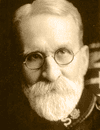
Samuel Logan Brengle emphasizes the frankness of Jesus, who spoke openly and boldly, never engaging in secretive or whispering conversations. He highlights that Jesus' life was an open book, embodying truth and transparency, and that He encouraged His followers to share the truth without fear. Breng
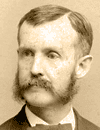
J.R. Miller addresses the various forms of untruthfulness, emphasizing that lies can be conveyed through tone, emphasis, and even statistics. He categorizes lies into three types: white lies, black lies, and statistics, asserting that the intention behind the words is what constitutes a lie. Exagger

F.B. Meyer addresses the issue of exaggeration, emphasizing that while there may be a kernel of truth in exaggerated statements, they ultimately fall under the category of lying. He cites Mr. Moody's advice to confront exaggeration as a form of deceit and encourages listeners to speak truthfully, as
F.B. Meyer emphasizes the importance of being true in thought, speech, and action, urging believers to align their lives with their highest ideals and the nature of God. He reflects on the innate understanding of truth that exists within every person, encouraging them to act consistently with their