
The concept of God as Shepherd is a pervasive theme in the Bible, emphasizing God's guidance, protection, and care for His people. In Psalms 23:1, David affirms, "The Lord is my shepherd, I lack nothing," highlighting the intimate and personal relationship between God and His followers. This image is further reinforced in Ezekiel 34:11-16, where God promises to search for and rescue His scattered sheep, and in John 10:11, where Jesus declares, "I am the good shepherd, who lays down his life for the sheep," underscoring the depth of God's love and sacrifice for humanity. Through this shepherd imagery, the Bible conveys the assurance of God's presence and provision in the lives of believers, comforting and encouraging them in times of need.

John Nelson Darby expounds on Psalm 23, emphasizing that the blessings from the Lord as our Shepherd are both spiritual and temporal. He highlights the significance of the veil being torn, allowing believers to approach God with confidence, knowing their sins are forgiven through Christ's sacrifice.

A.B. Simpson emphasizes the profound themes of Psalm 23, portraying God as both the Shepherd and the Father, who lovingly cares for His flock and family. He illustrates how the Shepherd knows each sheep by name, providing for their needs and leading them to peace and restoration, while also highligh

Paris Reidhead emphasizes the significance of the witness of the Spirit in confirming one's relationship with God, drawing from John 3, 4, and 5 to illustrate how the Spirit assures believers of their eternal life. He stresses that true assurance comes from the Holy Spirit's testimony within us, rat

D.L. Moody emphasizes the compassionate nature of Christ, who never preached funeral sermons but instead offers hope and victory over death through faith. He encourages believers to take their stand on the Rock of Ages, assuring them that Christ's love and grace are available to all, regardless of t

Harry Ironside emphasizes the concept of 'full assurance of faith' as presented in Hebrews 10:19-22, highlighting that true faith is not based on emotions or philosophical reasoning but on trusting God's promises. He illustrates that faith is the means by which believers can confidently approach God

Peter Brandon addresses the question of whether we can be sure of eternal life, emphasizing the assurance found in John 5:24, where Jesus promises that those who hear His word and believe in Him have everlasting life. He explains the significance of 'verily, verily' as a divine guarantee of truth an
Peter Brandon addresses the question of whether we can be sure of eternal life, emphasizing that true assurance comes not from pride in our actions or religious practices, but from recognizing our need for salvation through Jesus Christ. He outlines four key elements necessary for this assurance: di

James Boice emphasizes the profound assurance found in Romans 8:28, which assures believers that God works for their good. He elaborates on the 'golden chain of five links'--foreknowledge, predestination, effectual calling, justification, and glorification--highlighting that these doctrines illustra
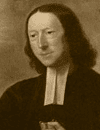
John Wesley emphasizes the critical role of the Holy Spirit in affirming our identity as children of God, as stated in Romans 8:16. He warns against the dangers of both formalism and enthusiasm, advocating for a balanced understanding of the Spirit's witness. Wesley explains that the Spirit testifie

J.C. Ryle emphasizes the centrality of Jesus Christ in the Christian faith, particularly focusing on His intercessory role. He describes true Christians as those who come to God through Christ, highlighting that Jesus continually intercedes for believers, ensuring their salvation and comfort. Ryle r