
Eucharistic theology, rooted in the Last Supper, invites believers to engage deeply with the mystery of Christ’s presence in the sacrament. In Luke 22:19-20, Jesus takes bread, gives thanks, and breaks it, declaring, 'This is my body, given for you; do this in remembrance of me.' This act establishes the Eucharist as a memorial and a means of grace, inviting the faithful to partake in the divine life. Paul further elaborates on this in 1 Corinthians 11:23-26, where he emphasizes the significance of proclaiming the Lord's death until He comes, highlighting the communal aspect of the Eucharist as a unifying act of worship among believers. Additionally, John 6:53-58 challenges the faithful to understand the Eucharist as essential for spiritual sustenance, as Jesus states, 'Unless you eat the flesh of the Son of Man and drink his blood, you have no life in you.' This sacrament not only commemorates Christ’s sacrifice but also anticipates the eschatological banquet described in Revelation 19:9, where the faithful are invited to the marriage supper of the Lamb. Through these scriptures, Eucharistic theology reveals a profound connection between remembrance, community, and the hope of eternal life in Christ.
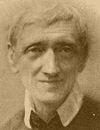
J.H. Newman delves into the history and significance of Liturgies, highlighting the potential interpolations and corruptions that have occurred over time. Despite these challenges, learned individuals have found value in examining these ancient Liturgies, some of which have been traced back to the A