
The concept of "Christ as Foundation" is a central theme in Christian theology, emphasizing Jesus Christ as the bedrock of faith and salvation. According to 1 Corinthians 3:11, "no one can lay any foundation other than the one already laid; that foundation is Jesus Christ," highlighting Christ's preeminent role in the lives of believers. As expressed in Ephesians 2:20, the Christian faith is "built on the foundation of the apostles and prophets, with Christ Jesus himself as the chief cornerstone," while Isaiah 28:16 also affirms that God has laid a foundation stone in Zion, a reference to Christ that is later echoed in the New Testament. Through this foundation, Christians are assured of a secure and enduring relationship with God, as expressed in Romans 8:28, which promises that all things work together for the good of those who love Him.

John Gill expounds on 1 Peter 2:4, emphasizing that Christ is the living stone, the true foundation of the church, contrasting Him with the rejected stone by the Jewish leaders. He highlights that while many disallowed Christ, He is chosen and precious in the sight of God, serving as the source of l

D.L. Moody passionately addresses the critical question of salvation, emphasizing that conversion is an instantaneous act where one moves from death to life through faith in Christ. He illustrates this with biblical examples, such as Noah's ark and the blood in Goshen, highlighting that it is not ou

J.C. Ryle emphasizes the importance of 'Looking Unto Jesus' as the foundation of a vibrant and practical Christianity. He argues that true faith must extend beyond mere Sunday observance and should permeate every aspect of daily life, providing strength, peace, and guidance through Christ's death, i

Mariano Di Gangi emphasizes the profound significance of Jesus' final words on the cross, 'I am thirsty' and 'It is finished,' illustrating His humanity and the completion of His redemptive work. He explains that Jesus' thirst symbolizes the weight of humanity's sins, while His declaration of 'It is

Michael Koulianos emphasizes the perfection of Jesus and the critical importance of His resurrection in the Christian faith. He explains that without the resurrection, our faith is futile and we remain in our sins, as the resurrection validates Jesus' identity and the truth of the Gospel. Koulianos
Mariano Di Gangi preaches on 'The Bread of Heaven,' emphasizing that Jesus is essential for spiritual nourishment, likening Him to bread that sustains life. He recounts the miracle of the feeding of the 5,000, illustrating how Jesus provides not just physical sustenance but also the deeper spiritual
Mariano Di Gangi emphasizes the profound self-portraits of Jesus in the Gospel of John, particularly focusing on His declaration as the 'resurrection and the life.' Through the story of Lazarus, Di Gangi illustrates the themes of affection, affliction, and affirmation, highlighting Jesus' love for H
D.L. Moody emphasizes that after love comes peace, which is a state already established by Christ's sacrifice on the Cross. He illustrates that many people mistakenly try to create peace through their own efforts, akin to someone trying to generate light in a dark cellar instead of stepping into the
J.C. Ryle emphasizes the transient nature of earthly beauty and the eternal significance of faith in Christ, asserting that true life is found in Him. He encourages believers to teach love, engage in prayer, and read the Bible, as these practices strengthen their faith and prepare them for eternal j
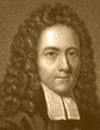
Ralph Erskine emphasizes the profound love of the Father for the Son, as expressed in John 3:35, where all things are entrusted to Christ. He argues that understanding the Father's love for the Son enhances our appreciation of Christ's sacrifice and encourages our faith in Him. Erskine outlines how