
Of Over-Rash Censuring Others of Covetousness
The sermon warns against the dangers of over-rashly judging others for covetousness, and emphasizes the importance of self-examination and prudence in one's own life.
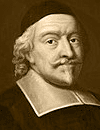
William Gouge preaches about the sin of covetousness, cautioning against hasty judgments of others and emphasizing the importance of self-reflection. He highlights the danger of covetousness in God's court of justice, urging individuals to examine their own desires before accusing others. Gouge addresses common suspicions towards those perceived as covetous, providing thoughtful responses to each scenario to encourage understanding and grace towards fellow believers.
Text
Covetousness being a heinous sin, and exceedingly disgraceful to the profession of the true faith, we ought to be very tender about laying it to the charge of professors. It cannot be denied but that many professors are too guilty thereof: yet withal it cannot be denied but that many others are too rash in censuring professors. It may be that to lay covetousness to one's charge will not bear an action in our courts of justice, but in God's court of justice it may prove a matter of condemnation.
Men may more safely judge themselves hereabouts than others. For covetousness is an inward inordinate desire; and a man may better know the kind and qualification of his own desire than of others' 1 Cor. ii. 11.
The grounds which, ordinarily, men have of judging professors is suspicion or surmise, to which the apostle giveth this attribute, 'evil,' 1 Tim. vi. 4; for surmises are evil in their quality, and in their effects.
Ordinary surmises are such as these:
1. Such a man is very industrious and painful in his calling; he riseth early; he sitteth up late.
Ans. It may be that a good conscience about employing and improving his talent to the best advantage he can, putteth him on to that diligence, and not covetousness.
2. He lives not according to his estate, but much under it.
Ans. Thou mayest surmise his estate to be greater than it is. Dost thou know all his losses, all his debts, his manifold charges, and several ways of laying out
3. He is not liberal to the poor.
Ans. He may be prudent in well ordering his charity; and conscionable in observing this rule of Christ, 'When thou doest alms, let not thy left hand know what thy right hand doeth,' Mat. vi. 3.
4. He layeth up much.
Ans. Thou canst not tell what part of his estate he layeth up, nor to what ends. The apostle prescribeth it as a duty belonging to parents to lay up for their children, 2 Cor. xii. 14.
Sermon Outline
- The Dangers of Over-Rash Censuring of Covetousness
- The Rashness of Judging Others
- The Importance of Self-Examination
- The Heinous Sin of Covetousness
- The Disgrace of Laying Covetousness to the Charge of Professors
- The Inward Nature of Covetousness
- The Dangers of Surmising Others' Motives
- The Need to Know One's Own Heart
Key Quotes
“Men may more safely judge themselves hereabouts than others.” — William Gouge
“Surmises are evil in their quality, and in their effects.” — William Gouge
Application Points
- Be cautious not to judge others rashly, but rather examine your own heart and motives.
- Practice self-examination to ensure you are not covetous or motivated by an inordinate desire for wealth or material possessions.
- Be prudent in your actions and decisions, and avoid making assumptions about others.