
Commentary Notes - Ezra
The book of Ezra tells the story of the return of the Jews from Babylonian captivity and the rebuilding of the temple, highlighting the sovereignty of God in the midst of human opposition.
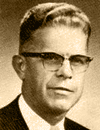
Walter Beuttler preaches on the book of Ezra, highlighting the return of the Jews from Babylonian captivity under the sovereignty of God. The book showcases God's choice of both those who know Him and those who do not to accomplish His work, displaying His might and ability to fulfill His purposes against all odds. The expeditions led by Zerubbabel and Ezra mark the stages of this return, emphasizing the restoration of the temple and religious reforms initiated by Ezra.
Text
A. THE BOOK OF EZRA
1. The book of Ezra gives the account of one of the most important events in Jewish history, the return of the Jews from the Babylonian captivity
2. The power of Babylon had been broken by the Medo-Persian army under Cyrus
3. As a result of this Babylon became a province of the Persian Empire with Cyrus as its king
4. He issued a decree permitting the Jews to return after seventy years of exile
5. This return was accomplished in several stages over a long period of time
6. Ezra records the first two of these expeditions, one of which took place under the leadership of Zerubbabel about 537 B.C., and the other under Ezra himself about 458 B.C.
B. THE MESSAGE OF THE BOOK
1. The message of the book of Ezra is the sovereignty of God
2. God had in sovereignty rejected them, now he is in sovereignty restoring them
3. Ezra shows the sovereignty of God displayed in:
(1) The sovereign choice of God. This is shown by the instrument which God chooses to accomplish his work, namely:
a. Instruments which know him such as Zerubbabel and Ezra
b. Instruments which know him not, such as Cyrus, Artaxerxes, and Darius
(2) The sovereign might of God. This is readily evident from:
a. The ability of God to press men who do not know him into service for him, unknowingly carrying out his will
b. The eventual achievement of his purpose against all opposition, the accomplishment of a task which would have been impossible without divine aid
RETURN UNDER ZERUBBABEL, 1:6
A. PROCLAMATION OF CYRUS, 1:1-4
1. Who was Cyrus, 1:1? King of Persia and conqueror of Babylon as the "anointed of the Lord," Isa. 45:1-5
2. Point out the three aspects of the proclamation by Cyrus in 1:1-4:
(1) He released the Jews from captivity
(2) He ordered the temple to be rebuilt
(3) He encouraged material assistance
3. Note some remarkable aspects of Cyrus' proclamation in:
(1) 1:1- This proclamation was made by a heathen king
(2) 1:2a - He recognized the sovereignty of God
(3) 1:2b - He claimed divine commission
(4) 1:3 - He recognized a single supreme God
4. To what is this proclamation attributed in 1:1? To the activity of the Spirit of God
5. What, in general, is seen by this proclamation? The fact of the government of God over the affairs of the nations
B. RETURN OF THE FIRST GROUP, 1:5-2:70
1. The response of some of the captives to return to Jerusalem is attributed to what, 1:5? To the activity of God by stirring up their spirits
2. What takes place in 1:6-11? Cyrus restores the vessels of the Lord which Nebuchadnezzar had brought to Babylon
3. Give the general content of 2:1-70: The listing of those who returned under Zerubbabel (including Nehemiah)
4. How many returned at this time, 2:64-65? Forty-nine thousand six hundred and ninety-seven from the tribes of Judah and Benjamin
5. Account for the lack of response from the great majority of the people: They were securely settled in Babylon and were unwilling to risk a perilous journey and an uncertain future
C. REBUILDING OF THE TEMPLE, 3:1-6:22
1. Observe the order in which the temple was rebuilt as seen in:
(1) 3:1-3 - They began with the building of the altar because they had to establish a right relationship to God as a matter of first priority
(2) 3:4-7 - Next they established the worship as a necessary sequence to a right relationship
(3) 3:8-13 - After this they began with the temple as a practical necessity for the maintenance of their restored relationship to God
2. Comment on 3:10-13: There is a place for an emotional expression in genuine religion
3. How did "the adversaries" "seek to hinder the work" in:
(1) 4:1-3? By joining the Israelites and thereby retarding or paralyzing the work
(2) 4:4-24? - By malicious accusations before the king to bring the work of reconstruction to a halt
4. Who is the Ahasuerus of 4:6? Cambyses, elder son of Cyrus whom he had appointed as his successor
5. Who is the Artaxerxes of 4:7? Smerdes, an imposter of Smerdes the younger son of Cyrus whom Cambyses put to death secretly
6. For what purpose did God raise up the prophets Haggai and Zechariah in 5:1-2? To stir up the flagging spirits of the Jews that they might continue the rebuilding of the temple
7. What takes place in 5:3-5? The right of the Jews to build is challenged by their enemies to no avail because "the eye of their God was upon" them
8. Who is Darius in 5:5? He has been identified as Darius Hystaspis the king who effected the execution of those decrees of Cyrus which had been obstructed by the malicious representations which the enemies of God's people had made to the
immediate successors of Cyrus
9. The letter to Darius by the adversaries of the Jews had what result in:
(1) 5:6-6:14? - Darius confirmed the decree of Cyrus, and issued also a decree ordering the building to be completed
(2) 6:15-22? The work was accelerated, the temple finished and dedicated, and the temple service restored
10. Who is the Artaxerxes of 6:14? Another Artaxerxes than the one previously mentioned and a favourer of the Jews
11. Comment on 6:21 - The true seeking of God involves the putting away of those things that are offensive to him
RETURN UNDER EZRA, 7:1-10:44
A. EZRA'S COMMISSION, 7:1-8:30
1. Who was the Artaxerxes of 7:1? A later Artaxerxes Longimanus who reigned about 58 years "after these things"
2. Who was Ezra, 7:6? A Jewish captive in Babylon and "a ready scribe in the law of Moses"
3. Ezra prepared his heart for what in 7:10?
(1) To seek the law of the Lord
(2) To do the law of the Lord
(3) To teach the law of the Lord
4. Observe the remarkable attitude of Artaxerxes toward God in that he recognizes what in:
(1) 7:12 - "The God of heaven"
(2) 7:12 - "The law of the God of heaven"
(3) 7:15 - The habitation of God
(4) 7:17-18 - The requirements of God
(5) 7:21 - "The scribe of the law of the God of heaven"
(6) 7:23 - The authority of "the God of heaven"
(7) 7:23 - The wrath of "the God of heaven"
5. To what is this attitude of Artaxerxes attributed in 7:27-28? To the influence of God in the heart of Artaxerxes (Prov. 21:1)
6. To what purpose was the fast in 8:21-23?
(1) For guidance and protection during the hazardous journey to Jerusalem
(2) To preserve their testimony before king Ahasuerus
7. What testimony about God had been given to Artaxerxes, 8:22?
(1) That "the hand of our God is upon all them for good that seek him"
(2) That "his wrath is against all them that forsake him"
8. Point out a practical implication from 8:22: That failure to seek God is equal to forsaking God
9. Comment on Ezra from 8:24-30, 33-34: He was a man who followed proper principles in the service of God by "Providing for honest things, not only in the sight of the Lord, but also in the sight of men" II Cor. 8:21
10. What is evident from 8:31? That God responded to their fasting and prayer by giving them a safe and successful journey
B. RELIGIOUS REFORMS, 9:1-10:44
1. Wherein did the people of Israel sin in 9:1-2? By intermarrying with the other nations
2. Observe Ezra's reaction to this from:
(1) 9:3-4 - Great personal distress, humiliation and astonishment
(2) 9:5 - He fell on his knees in "heaviness" before God with outspread hands
(3) 9:6-10:1 - He prayed, confessed and wept before God as he recited Israel's historic trespasses
3. What distressed Ezra in 9:15? Their inability to stand before God because of their sin
4. Note the effect which Ezra's reaction to their sin had upon the people from:
(1) 10:1 - The people wept sore
(2) 10:2 - They confessed their trespasses
(3) 10:3-5 - They initiated a new covenant by promising to separate themselves
(4) 10:6-17 - The people trembled because of this matter and carried the separation through
5. Comment on 10:8: Temporarizing with the removal of sin was not tolerated as that would evidence unwillingness on the part of those who were guilty
6. Account for Ezra's uncompromising severity in this matter and the methodical thoroughness with which he handled this matter in 10:18-44:
(1) The future of the whole nation was in jeopardy
(2) Eventually they would have been observed by other nations
(3) The wrath of God would bring a far severer judgment than the Babylonian captivity
Sermon Outline
- The Book of Ezra
- The Message of the Book of Ezra
- The Return Under Zerubbabel
- The Rebuilding of the Temple
- The Return Under Ezra
- Ezra's Commission
- The Sin of Intermarrying with Other Nations
- Ezra's Reaction to the Sin
- Religious Reforms
- The Effect of Ezra's Reaction on the People
Key Quotes
“The God of heaven hath given thee the kingdom, and power, and strength, and given thee the kingdom of Babylon, and the treasures thereof, before thee.” — Walter Beuttler
“The hand of our God is upon all them for good that seek him; but his wrath is against all them that forsake him.” — Walter Beuttler
Application Points
- The sovereignty of God is evident in the return of the Jews from Babylonian captivity and the rebuilding of the temple.
- The rebuilding of the temple was a necessary sequence to a right relationship with God.
- Ezra's reaction to the sin of intermarrying with other nations was a call to repentance and a reminder of the importance of separating oneself from sin.