
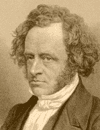
Faith in God
True faith in God requires a personal and dynamic relationship, where we believe God and trust in his promises.
Robert S. Candlish emphasizes the importance of not just believing in the omnipotence of God as a theological concept, but in truly believing God Himself. True faith involves a personal relationship with God, where He speaks, promises, and fulfills, and we respond by hearing, believing, and asking. This personal interaction with God is what strengthens and establishes our faith, glorifying Him in the process.
Text
"And being fully persuaded that, what he had promised, he was able also to perform"
(Rom. 4:21).
I at least never dream of calling in question the omnipotence of God. I perfectly well know, and am firmly convinced, that what he has promised he is able also to perform. And yet I see not how that knowledge and conviction will of itself make me, or any man, strong in faith. Very true, O friend. To believe that God is omnipotent, however strongly, with whatever full persuasion, when that belief is the mere admission of a dogma in theology, a general truth or proposition, proved by reason and affirmed in Scripture; so to believe and be fully persuaded and assured that what God has promised he is able also to perform; will go but a little way towards strengthening or establishing you in that faith which glorifies God. But let me again remind you that the faith in question is believing God; not believing something about God, but believing God. It is a personal dealing of God with you, and of you with God. He and you come together; he to speak, you to hear; he to promise, you to believe; you to ask, he to give.
Sermon Outline
- Faith in God's Omnipotence
- The Nature of Faith
- The Importance of Personal Encounter
- God's Promise and Our Faith
- The Dynamic of Prayer and Trust
Key Quotes
“And being fully persuaded that, what he had promised, he was able also to perform” — Robert S. Candlish
“To believe that God is omnipotent, however strongly, with whatever full persuasion, when that belief is the mere admission of a dogma in theology, a general truth or proposition, proved by reason and affirmed in Scripture;” — Robert S. Candlish
“But let me again remind you that the faith in question is believing God; not believing something about God, but believing God.” — Robert S. Candlish
Application Points
- Faith is strengthened through a personal encounter with God, where we hear his promises and respond with trust and obedience.
- Prayer is a vital part of building faith, as it allows us to ask God for things and trust that he will provide.
- True faith requires a dynamic relationship with God, where we believe him and trust in his promises.