
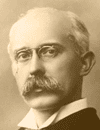
The Voice of the Dead
The sermon explores the idea that our faith, character, and dominant dispositions continue to speak and affect others even after we are gone.
John Henry Jowett emphasizes the lasting impact of our lives even after we are gone, highlighting how our actions, whether good or evil, continue to speak and influence others. He delves into the concept that our faith, avarice, pride, and overall character persist beyond our physical existence, shaping the lives of those around us. Jowett challenges the audience to consider what part of them will remain alive and what forces they will leave behind for future generations.
Text
HEBREWS xi. 1-6.
With what voice shall we speak when we are dead? What will men hear when
they turn their thoughts toward us? What part of us will remain alive,
singing or jarring in men's remembrance? It is the biggest part of us that
retains its voice. In some it is wealth, in others it is goodness; some
go on speaking in their cruelty, others in their gentleness. Cain still
speaks in his jealous passion. Abel speaks in his faith. Dorcas speaks in
her "good works and alms-deeds which she did"; Judas Iscariot speaks in
his betrayal. Yes, something goes on speaking. What shall it be?
But these biggest things not only continue to speak in the ears of memory,
they persist as actual forces in the common life of men. Our faith is not
buried with our bones, nor is our avarice or pride. Our characters do not
die when our hearts cease to beat. "The evil that men do lives after
them," and so does the good. But deeper than our deeds, our dominant
dispositions persist and mingle as friends or enemies in the lives of
others. By them we, being dead, still speak, and we speak in subtle forces
which aid or hinder other pilgrims who are fighting their way to God and
heaven.
Sermon Outline
- The Voice of the Dead
- Examples of voices that remain alive
- The persistence of our characters and dispositions
- Faith, avarice, and pride persist after death
- The evil and good we do continue to affect others
- Our dominant dispositions aid or hinder others on their journey
Key Quotes
“The evil that men do lives after them, and so does the good.” — John Henry Jowett
“By them we, being dead, still speak, and we speak in subtle forces which aid or hinder other pilgrims who are fighting their way to God and heaven.” — John Henry Jowett
Application Points
- Our faith and good deeds can continue to inspire and aid others even after we are gone.
- Our negative actions and dominant dispositions can hinder others on their journey to God and heaven.
- We should strive to cultivate a positive and godly character that will continue to speak and inspire others after we are gone.