
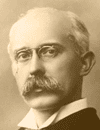
False Shepherds
John Henry Jowett's sermon 'False Shepherds' warns against self-serving leaders who neglect their flock and fail to show compassion.
John Henry Jowett delivers a powerful sermon on Ezekiel 34:1-10, exposing the characteristics of false shepherds who are self-seeking, feeding themselves instead of the flock, driven by carnal ambition rather than holy service. These shepherds lack sympathy, failing to strengthen the diseased or heal the sick, as selfishness numbs their ability to empathize. Without sympathy, there is no genuine quest to seek the lost sheep, highlighting the importance of sacrificial love and a heart that mirrors the compassionate pursuit of Jesus.
Text
EZEKIEL xxxiv. 1-10.
This word of the Lord puts before me the unlovely lineaments of the false
shepherds.
They are self-seeking. They "_feed themselves_," but they "_feed not
the flock_." They take up religion for what they can make out of it! It
is a carnal ambition, not a holy service. It is used for getting, not for
giving, for self-glorification and not for self-sacrifice. It is
selfishness masquerading as holiness, the thief in the garb of the
shepherd.
And, therefore, the false shepherds are devoid of sympathy. "_The diseased
have ye not strengthened, neither have ye healed that which was sick._"
Selfishness always tends to benumbment. Humaneness is fostered by
sacrifice. Our sympathetic chords are kept refined by chivalrous deeds.
Drop the deeds and all our refinements begin to coarsen, and we make no
response to our brother's cries of need and pain.
And because there is no sympathy there is no quest. "_My sheep wandered
... and none did seek after them._" How can we seek them if we have never
missed them, if we have no sense that they are lost? Our Lord came in
travail of soul to "seek that which was lost." And I must share His
travail if I would share in the search.
Sermon Outline
- I points: - Introduction to false shepherds - Characteristics of false shepherds - Consequences of their actions
- II points: - Self-seeking nature - Impact on the flock - Contrast with true service
- III points: - Lack of sympathy - Failure to heal and strengthen - Humaneness through sacrifice
- IV points: - Absence of quest for the lost - Call to seek the lost - Sharing in Christ's mission
Key Quotes
“They are self-seeking. They 'feed themselves,' but they 'feed not the flock.'” — John Henry Jowett
“Selfishness always tends to benumbment.” — John Henry Jowett
“Our Lord came in travail of soul to 'seek that which was lost.'” — John Henry Jowett
Application Points
- Evaluate your motivations in service to ensure they align with selflessness.
- Cultivate sympathy by engaging in acts of kindness and support for those in need.
- Commit to actively seeking out and caring for those who are lost or hurting.