
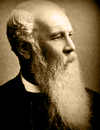
Expository Thoughts On John - JOHN 9:26-41
J.C. Ryle expounds on John 9:26-41 to reveal how spiritual blindness contrasts with true sight, emphasizing faith in Christ as the path from darkness to light.
In this expository sermon on John 9:26-41, J.C. Ryle explores the profound spiritual truths revealed through the healing of the man born blind. He contrasts the humble faith of the healed man with the proud blindness of the Pharisees, illustrating the necessity of true spiritual sight through faith in Christ. Ryle challenges listeners to recognize their own spiritual condition and embrace the light of Jesus, who brings judgment and salvation.
Text
Then they said to him, "What did he do to you? How did he cause you to see?" He answered, "I told you already and you didn’t listen. Why do you want to hear it again? You people don’t want to become his disciples too, do you?"
They heaped insults on him, saying, "You are his disciple! We are disciples of Moses! We know that God has spoken to Moses! We do not know where this man comes from!" The man replied, "This is a remarkable thing, that you don’t know where he comes from, and yet he caused me to see! We know that God doesn’t listen to sinners, but if anyone is devout and does his will, God listens to him. Never before has anyone heard of someone causing a man born blind to see. If this man were not from God, he could do nothing." They replied, "You were born completely in sinfulness, and yet you presume to teach us?" So they threw him out.
Jesus heard that they had thrown him out, so he found the man and said to him, "Do you believe in the Son of Man?" The man replied, "And who is he, sir, that I may believe in him?" Jesus told him, "You have seen him; he is the one speaking with you." He said, "Lord, I believe," and he worshiped him. Jesus said, "For judgment I have come into this world, so that those who do not see may gain their sight, and the ones who see may become blind."
Some of the Pharisees who were with him heard this and asked him, "We are not blind too, are we?" Jesus replied, "If you were blind, you would not be guilty of sin, but now because you claim that you can see, your guilt remains."
We see in these verses how much wiser the poor sometimes are than the rich. The man whom our Lord healed of his blindness was evidently a person of very humble condition. It is written that he was one who "sat and begged." (See v. 8.) Yet he saw things which the proud rulers of the Jews could not see, and would not receive. He saw in our Lord\
Sermon Outline
-
I. The Man Born Blind and His Testimony
- The man’s healing and his bold defense of Jesus
- Contrast between the man’s faith and the Pharisees’ skepticism
- The significance of his humble background
-
II. Jesus Reveals Himself as the Son of Man
- Jesus’ question about belief
- The man’s confession of faith and worship
- The spiritual meaning of sight and blindness
-
III. The Pharisees’ Spiritual Blindness
- Their refusal to acknowledge Jesus’ divine authority
- Jesus’ declaration of judgment
- The danger of claiming to see while remaining blind
-
IV. Lessons on True Sight and Discipleship
- The wisdom of the humble over the proud
- The call to genuine faith and obedience
- The consequences of rejecting Christ
Key Quotes
“We know that God doesn’t listen to sinners, but if anyone is devout and does his will, God listens to him.” — J.C. Ryle
“For judgment I have come into this world, so that those who do not see may gain their sight, and the ones who see may become blind.” — J.C. Ryle
“Some of the Pharisees who were with him heard this and asked him, 'We are not blind too, are we?' Jesus replied, 'If you were blind, you would not be guilty of sin, but now because you claim that you can see, your guilt remains.'” — J.C. Ryle
Application Points
- Examine your own spiritual sight and be honest about areas of blindness.
- Embrace humility and faith like the healed man, trusting Jesus as the Son of Man.
- Avoid pride and self-righteousness that can prevent you from seeing the truth of Christ.
Frequently Asked Questions
What does spiritual blindness mean in this passage?
Spiritual blindness refers to the inability to recognize Jesus as the Messiah and the truth of God’s word, despite physical sight.
Why did the Pharisees reject the healed man’s testimony?
They were proud and unwilling to accept Jesus’ authority, clinging to their traditions and self-righteousness.
How does faith play a role in this healing story?
Faith is central as the man believes in Jesus as the Son of Man and worships Him, demonstrating true spiritual sight.
What is the significance of Jesus saying He came for judgment?
Jesus came to bring spiritual discernment, exposing those who claim to see but are blind and offering sight to the spiritually blind.
How can this passage encourage believers today?
It challenges believers to examine their own spiritual sight and to trust in Christ wholeheartedly, avoiding pride and self-deception.