
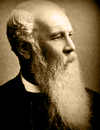
Expository Thoughts On John - JOHN 9:13-25
J.C. Ryle expounds on John 9:13-25 to reveal the spiritual blindness of the Pharisees contrasted with the physical and spiritual sight granted by Christ to the formerly blind man.
In this expository sermon on John 9:13-25, J.C. Ryle explores the profound spiritual truths revealed through the healing of the man born blind. He contrasts the physical healing with the spiritual blindness of the Pharisees and highlights the courage required to confess Christ openly. Ryle’s teaching encourages believers to examine their own faith and the cost of following Jesus in a hostile world.
Text
The Pharisees’ Reaction to the Healing
They brought the man who used to be blind to the Pharisees. (Now the day on which Jesus made the mud and caused him to see was a Sabbath.) So the Pharisees asked him again how he had gained his sight. He replied, "He put mud on my eyes and I washed, and now I am able to see."
Then some of the Pharisees began to say, "This man is not from God, because he does not observe the Sabbath." But others said, "How can a man who is a sinner perform such miraculous signs?" Thus there was a division among them. So again they asked the man who used to be blind, "What do you say about him, since he caused you to see?" "He is a prophet," the man replied.
Now the Jewish authorities refused to believe that he had really been blind and had gained his sight until at last they summoned the parents of the man who had become able to see. They asked the parents, "Is this your son, whom you say was born blind? Then how does he now see?" So his parents replied, "We know that this is our son and that he was born blind. But we do not know how he is now able to see, nor do we know who caused him to see. Ask him, he is a mature adult. He will speak for himself." (His parents said these things because they were afraid of the Jewish authorities. For the Jewish authorities had already agreed that anyone who confessed Jesus to be the Christ would be put out of the synagogue. For this reason his parents said, "He is a mature adult, ask him.")
Then they summoned the man who used to be blind a second time and said to him, "Promise before God to tell the truth. We know that this man is a sinner." He replied, "I do not know whether he is a sinner. I do know one thing--that although I was blind, now I can see."
These verses show us how little the Jews of our Lord\
Sermon Outline
-
I. The Healing and the Sabbath Controversy
- Jesus heals the man born blind on the Sabbath
- Pharisees question the legitimacy of the miracle
- Division arises among the Jewish leaders
-
II. The Man’s Testimony
- The healed man recounts his experience
- He acknowledges Jesus as a prophet
- His testimony challenges the Pharisees’ unbelief
-
III. The Parents’ Fear and Silence
- Parents confirm their son’s blindness but fear the authorities
- They defer to their son’s testimony
- Fear of exclusion from the synagogue influences their response
-
IV. Spiritual Lessons from the Encounter
- Contrast between physical sight and spiritual blindness
- The cost of confessing Christ openly
- The importance of personal faith and testimony
Key Quotes
“Though I was blind, now I can see—this simple confession pierces the hearts of the unbelieving Pharisees.” — J.C. Ryle
“The fear of man often silences the testimony of truth, as seen in the parents’ reluctance to speak openly about their son’s healing.” — J.C. Ryle
“Jesus’ miracle on the Sabbath challenges us to see beyond legalism to the heart of God’s mercy and power.” — J.C. Ryle
Application Points
- Examine your own spiritual sight and seek Christ for true understanding.
- Be courageous in confessing your faith even when facing opposition or fear.
- Prioritize mercy and grace over legalistic rules in your walk with God.
Frequently Asked Questions
Why did the Pharisees reject the miracle?
They rejected the miracle because it was performed on the Sabbath and questioned Jesus’ authority, reflecting their spiritual blindness.
What does the healed man’s testimony teach us?
His testimony shows the power of personal experience with Christ and the courage to proclaim the truth despite opposition.
Why were the man’s parents afraid to speak openly?
They feared being put out of the synagogue, illustrating the social and religious pressures faced by early believers.
What is the significance of Jesus healing on the Sabbath?
It highlights Jesus’ authority over the law and the priority of mercy and healing over legalistic observance.
How does this passage relate to spiritual blindness today?
It reminds believers that many reject Christ due to hardened hearts, and true sight comes from faith in Him.