
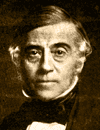
William Tiptaft
William Tiptaft's life was a shining example of practical godliness, self-denial, and a deep fear of God, which inspired others to live for God and serve Him with boldness and earnestness.
J.C. Philpot reflects on the remarkable life of William Tiptaft, emphasizing his unwavering commitment to self-denial, stewardship, and practical godliness. Tiptaft's dedication to living for God, serving His people, and obeying His will set him apart as a shining example of vital godliness and consistent Christian living. His fear of God was evident throughout his life, leading him to separate from the world, prioritize solitude and reflection, and exhibit a seriousness of character that inspired many. Despite his boldness and zeal for God, Tiptaft also displayed deep sympathy and solidarity with the poor, earning him the reputation of being 'the poor man's friend.'
Text
WILLIAM TIPTAFT
(Excerpted from J. C. Philpot's "Memoir of William Tiptaft")
I feel that my Memoir gives but a feeble and defective record of William Tiptaft. Those features of his natural and spiritual character which won from all who knew him such renowned affection and esteem, were so personal and practical that they were better seen in him, than can be described of him. His daily, I may almost say hourly, self-denial was such as I believe few others have ever witnessed. He seemed ever ready to make any personal sacrifice for the glory of God, or the good of His people. Time, money, health, strength, and life itself--he did not consider his own. He felt he was but a steward who held them in trust, and who might be called at any hour to render an account of his stewardship. To live for God--to walk in His fear--to serve and please Him--to preach His truth--to do His work--to know and obey His will--and be made a blessing to His people--seemed to be his daily end and aim.
I have known men--of greater natural abilities--of deeper and more diversified experience--of more shining pulpit gifts--of more enlarged views of divine truth; but I have never seen anyone, whether minister or private Christian, who approached him in practical godliness--and which was carried out with undeviating consistency for the 35 years during which I had the pleasure and profit of his friendship.
The churches of truth needed an example of the practical power of the doctrines which they profess. A light, loose, antinomian spirit had too much prevailed--and with a great deal of religious talking, there was a very small amount of religious walking. But however low quickened souls or living churches may sink, they have still a conscience made tender in the fear of God, and to this conscience William Tiptaft's keen, pithy remarks, and, above all--his godly life and shining example, commended themselves.
And as he honored God, so did God honor him. His last days were his best days. He was buried amidst the sobs and tears of a people who loved and revered him--and he has left to us all the benefit and blessing of a conspicuous example of vital godliness and practical religion, as well as a testimony of the faithfulness of God to His own Word and work.
I have always thought that his distinguishing feature, through the whole of his spiritual life, was the fear of God--manifesting itself in a most self-denying, upright, practical walk and conduct. Where shall we find one, who, from the beginning to the end of his profession, lived and walked like Tiptaft? Truly in him the fear of the Lord was a fountain of life, to depart from the snares of death. This fear, as the beginning of wisdom, was implanted in his soul. Its first effects were--to separate him from the world--to lead him to solitude and reflection--and give him an earnestness and seriousness of character which were in striking contrast with the lightness and frivolity of his college life.
Those who knew William Tiptaft know that no minister feared man less--or God more. He was full of zeal and earnestness--of a most bold, undaunted spirit--and counted the smiles of men as dust in the balance.
Yet, one of the most marked features of his character was the sympathy he felt with the poor, and the thoroughness with which he identified himself with their feelings, views and interests. He was eminently--the poor man's friend.
Sermon Outline
- William Tiptaft's Character
- Practical Godliness
- Consistency in Living for God
- An Example to the Churches
Key Quotes
“He was full of zeal and earnestness--of a most bold, undaunted spirit--and counted the smiles of men as dust in the balance.” — J.C. Philpot
“His daily, I may almost say hourly, self-denial was such as I believe few others have ever witnessed.” — J.C. Philpot
“To live for God--to walk in His fear--to serve and please Him--to preach His truth--to do His work--to know and obey His will--and be made a blessing to His people--seemed to be his daily end and aim.” — J.C. Philpot
Application Points
- We should strive to live a life of practical godliness, self-denial, and a deep fear of God, just like William Tiptaft.
- We should identify ourselves with the feelings, views, and interests of the poor, just like William Tiptaft.
- We should live for God, walk in His fear, and serve and please Him with boldness and earnestness, just like William Tiptaft.