
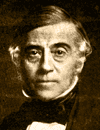
Enduring Monuments
The sermon highlights the importance of leaving a lasting legacy that glorifies God and edifies the church, rather than seeking to perpetuate human pride and vanity.
J.C. Philpot speaks about the desire for enduring monuments that outlast death, highlighting how individuals seek to be remembered even after they pass away. He contrasts physical monuments like gravestones that decay with enduring memorials created by one's own genius or abilities, emphasizing how works of genius leave a lasting impact for generations. Philpot also discusses the importance of writings by gracious men that continue to instruct and edify the church, showcasing how these words serve as enduring monuments that glorify God and edify His people.
Text
Enduring monuments
by J. C. Philpot
A desire not wholly in death to die, but after the mortal frame is returned to its native dust, still to survive in the mind and memory of those whom we leave behind, is evidently a feeling deeply imbedded in the human bosom. Nor is this desire confined to the individual heart which seems to covet for itself an enduring remembrance even when it shall cease to beat; it is equally shared in by surviving relatives and friends. From the lowliest gravestone in the country churchyard to the noble mausoleum in the nobleman's park, or the richly-sculptured monument in Westminster Abbey, the desire is equally made manifest, as an all-pervading feeling, that the departed should not be utterly forgotten on earth.
But of all enduring monuments, none abide the corroding tooth of time like those memorials which the deceased have reared to themselves by their own genius or their own abilities. Stone decays, brass rusts; and were it not so, names as names are soon forgotten; but the works on which genius has impressed its ineffaceable stamp live from generation to generation. This is true not merely in nature, but in grace, and applies not only to those works which are handed down by applauding hands, from age to age as a nation's literary treasures, but to those writings also of gracious men which instruct and edify successive generations of the family of God. Many eminent saints have lived of whose former existence no trace now remains; many deeply-taught, and highly-favored ministers have preached whose very names are now utterly lost. But the same God of all grace, who wrought in their hearts to believe, prompted others of his saints and servants to leave on written record either their experience or their testimony to his truth; and thus, though dead, they yet speak, in their writings, to the church of Christ. Their souls have long entered into rest, and their bodies have long moldered into dust; but they still live in their writings; and their words, which otherwise would have perished with them, are even now as goads and as nails fastened in our consciences by the great Master of assemblies.
Men who have lived to themselves all their lives, and never done any real service to God or man, as if they would grasp earth even when forced by death to leave it, seek to perpetuate their memory by monuments of stone and brass, for no living witnesses of their bounty or their benefits rise up to call them blessed; but the faded letters and mouldering stones soon testify that their memorial has perished with them.
But where grace has sanctified genius or talent, and employed them in the service of the sanctuary, as laboring with the pen for the glory of God and the profit of his people, not only are the names of such writers embalmed in the memory of the righteous, but as long as their writings endure God is glorified and his church edified by their works. There might have lived in the seventeenth century preachers as powerful as Bunyan, and ministers as deeply led into the mysteries of truth as Owen; but they have left behind no "Pilgrim's Progress," or "Communion with God," to instruct and edify the church of Christ for succeeding generations. In the last century Hart was not the only reclaimed backslider; Newton not the only converted infidel; Berridge not the only pharisee brought to Jesus' feet; but these men of God still live in their writings, while their fellow-sinners, and yet fellow-saints, for lack of such enduring memorials, are on earth remembered no more.
Sermon Outline
- I. The Desire for Enduring Monuments
- A. A universal human desire to be remembered after death
- B. Manifested in various forms of memorials, from gravestones to mausoleums
- II. The Nature of Enduring Monuments
- A. Works of genius or ability that leave a lasting impact
- B. Examples in nature and in the writings of gracious men
- III. The Contrast Between True and False Enduring Monuments
- A. True monuments are those that glorify God and edify the church
- B. False monuments are those that seek to perpetuate human pride and vanity
Key Quotes
“Their souls have long entered into rest, and their bodies have long moldered into dust; but they still live in their writings;” — J.C. Philpot
“Their words, which otherwise would have perished with them, are even now as goads and as nails fastened in our consciences by the great Master of assemblies.” — J.C. Philpot
“But the same God of all grace, who wrought in their hearts to believe, prompted others of his saints and servants to leave on written record either their experience or their testimony to his truth;” — J.C. Philpot
Application Points
- We should use our talents and abilities for the service of the sanctuary and the glory of God, rather than seeking to perpetuate our own legacy.
- True enduring monuments are those that glorify God and edify the church, often through the works of genius or ability.
- We can ensure our legacy lives on by leaving behind written records of our experience and testimony to God's truth.