
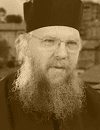
The Renewal of the Mind
The sermon emphasizes the importance of renewing our nous through repentance and confession to achieve union with God.
Hieromonk Damascene preaches on the importance of renewing the mind, as mentioned by St. Paul, which St. John Chrysostom interprets as repentance. He emphasizes the need for daily renewal through repentance, confession, tears, and good deeds, to prevent despair in the face of daily sins. The theological perspective highlights the 'renewal of the nous,' the highest faculty of the human soul that knows God directly and is the seat of personhood. The sickness of the nous, darkened by the Fall of man, leads to spiritual death and separation from God, hindering the path to deification in Christ.
Text
Be transformed by the renewal of your mind. What does St. Paul mean by renewing the mind? According to St. John Chrysostom, he means repentance. We are told to be transformed, but, as we look at ourselves, we see that we sin every day. This could lead us to despair, to the thought, "I'm not transformed, and I never will be." That is why St. Paul adds the words "by the renewal of your mind": so that we will not despair. St. John Chrysostom writes: "Since it is likely that, being men, they would sin every day, St. Paul consoles his hearers by saying 'renew yourselves' from day to day. This is what we do with houses: we keep constantly repairing them as they wear old. You should do the same thing to yourself. Have you sinned today? Have you made your soul old? Do not despair, do not despond, but renew your soul by repentance, and tears, and Confession, and by doing good things. And never cease doing this." [11]
From the theological point of view, it is important to point out that the "renewal of the mind" that St. Paul speaks about is actually the "renewal of the nous." In the original Greek, the word for mind here is nous. In Orthodox theology, the nous is the highest faculty or power of the human soul. It is the faculty that knows God directly; it is the seat of our personhood, which experiences the Person of God in a communion of love. St. Gregory Palamas and other Holy Fathers say that it most precisely defines what is the "image of God" in us. [12]
At the Fall of man, the nous was darkened and became sick. The Uncreated Energy, Light or Grace of God became foreign to it. As I mentioned earlier, through Christ's work of redemption man receives the Grace of God within him once again in Holy Baptism. But every time a baptized Christian commits sin, he soils his baptismal garment, as it were. He dampens the Light of Grace inside of him; he once again darkens or sickens his nous. Instead of turning to and uniting with God, his nous turns aside to the passions, to self-love and love of sensual pleasure. By turning to the passions, the nous repels the Grace of God; it prevents the Christian from continuing on the path to deification in Christ.
The sickness of the nous leads to spiritual death. The darkness of the nous leads to spiritual darkness, in which we cannot see things clearly and soberly. We cannot see things as God sees them; instead, we see them through the filter of our passions. Thus we grope about blindly in life, hurting ourselves and hurting others, either wittingly or unwittingly. We stray far from our purpose in life, which is union with God. Although we might think we have lots of important things to do, we wander aimlessly through life; and all our busyness only serves to distract us from our diseased spiritual state, from the fact that we are not fulfilling our life's true purpose. Our nous is sick because we have separated ourselves from God, because we have sought after our passions rather than Him.
Sermon Outline
- I. The Importance of Renewing the Mind
- A. What does St. Paul mean by renewing the mind?
- B. The role of repentance in renewing the mind
- II. The Theological Significance of the Nous
- A. The nous as the highest faculty of the human soul
- B. The nous as the seat of personhood and experience of God
- III. The Consequences of a Sick Nous
- A. The sickness of the nous leads to spiritual death
- B. The darkness of the nous leads to spiritual blindness
- IV. The Call to Repentance and Renewal
- A. The need to constantly repair and renew ourselves
- B. The importance of confession, tears, and doing good
Key Quotes
“You should do the same thing to yourself. Have you sinned today? Have you made your soul old? Do not despair, do not despond, but renew your soul by repentance, and tears, and Confession, and by doing good things.” — Hieromonk Damascene
“The sickness of the nous leads to spiritual death. The darkness of the nous leads to spiritual darkness, in which we cannot see things clearly and soberly.” — Hieromonk Damascene
Application Points
- We must constantly renew our nous through repentance and confession to avoid spiritual death and blindness.
- Our purpose in life is to achieve union with God, and we stray from this purpose when our nous is sick and we pursue our passions.
- We can renew our nous by turning away from our passions and seeking God through prayer, fasting, and good works.