
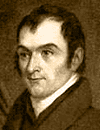
Humility & Prayer
Prayer is a natural response to dependence on God, and neglecting it implies self-sufficiency and a lack of trust in God.
Edward Payson emphasizes the importance of prayer as a reflection of our dependence on God and our recognition of His ability to provide for our needs. He highlights that prayer is not just a duty but a privilege that allows us to seek God's guidance, strength, protection, mercy, and grace. Payson warns against the prideful attitude of self-sufficiency that leads individuals to neglect prayer and rely solely on their own abilities, ultimately rejecting God's assistance and presence in their lives.
Text
It is natural to man, from his earliest infancy, to cry for relief when in danger or distress, if he supposes that any one able to relieve him is within hearing of his cries. Every man then who feels his own dependence upon God, and his need of blessings which God only can bestow, will pray to Him. He will feel that prayer is not only his duty, but his highest privilege. The man then who refuses or neglects to pray, who regards prayer not as a privilege, but as a wearisome and needless task practically says in the most unequivocal manner, I am not dependent on God; I want nothing that He can give; and therefore I will not come to Him, nor ask anything from His hand.
I will not ask Him to crown my work with success, for I am able, and determined, to be the architect of my own future.
I will not ask Him to instruct or guide me, for I am competent to be my own instructor and guide. I will not ask Him to strengthen and support me, for I am strong in the vigor and resources of my own mind. I will not request His protection, for I am able to protect myself. I will not implore His pardoning mercy nor His sanctifying grace for I have need of neither the one nor the other. I will not ask His presence and aid in the hour of death. For I can meet and grapple, unsupported, with the king of terrors, and enter, undaunted and alone, any unknown world into which He may usher me. Such is the language of all who neglect prayer.
Sermon Outline
- The Naturalness of Prayer
- The Consequences of Neglecting Prayer
- The Dangers of Self-Sufficiency
- Self-sufficiency leads to a lack of trust in God
- Self-sufficiency leads to a lack of reliance on God's blessings
Key Quotes
“The man then who refuses or neglects to pray, who regards prayer not as a privilege, but as a wearisome and needless task practically says in the most unequivocal manner, I am not dependent on God; I want nothing that He can give;” — Edward Payson
“I will not ask Him to crown my work with success, for I am able, and determined, to be the architect of my own future.” — Edward Payson
“I will not ask Him to instruct or guide me, for I am competent to be my own instructor and guide.” — Edward Payson
Application Points
- Recognize prayer as a privilege, not a duty, and make it a regular part of your life.
- Acknowledge your dependence on God and ask for His blessings in all areas of your life.
- Avoid self-sufficiency and instead rely on God's strength and guidance.