
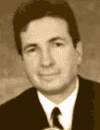
Tears Between the Altar
E.A. Johnston calls believers to forsake entertainment and return to heartfelt intercessory prayer and brokenness before God, urging a solemn assembly to seek God's mercy amid societal and spiritual decline.
In "Tears Between the Altar," E.A. Johnston passionately exhorts the church to return to a posture of brokenhearted intercession and repentance. Drawing from Joel 2:12-17, he contrasts the reverent, prayerful church of the past with today's entertainment-driven gatherings. Johnston calls believers to forsake superficial laughter and embrace solemn assemblies, seeking God's mercy amid moral and spiritual decay.
Full Transcript
I grew up in America in the 1950s, when most folks still believed their Bibles, and there was still a fear of God in the land. The church still had a voice of authority, and had not yet fallen into worldliness and empire building. Pastors were not afraid to preach hard against sin, and warn folks of a place of punishment for sin called hell.
People actually brought their Bibles to church with them back in those days. And there was such a thing as a weekly prayer meeting, where all that took place in that room was prayer. No Bible study, no social groups, just knee-bending, heartfelt, intercessory prayer.
And we actually sang hymns back in those days. Hymns about the blood, nothing but the blood, and power in the blood, and a fountain filled with blood. Preachers back then still preached a bloody gospel with a bloody cross, and a blood-stained Christ who died for sinners like me.
Women still had modesty back in those days, and they wore hats and gloves to church, and their dresses covered their knees. Now they want to show off their thongs. Times have changed.
Society has changed. The church has changed. Preaching has been replaced with teaching.
Reverence has been replaced with entertainment. I'll never forget the big famous pastor of a church in California who came to my church in the South and announced in the pulpit that in his church the people there preferred laughter over tears. And then he told several stale jokes in an attempt to get some laughter.
It seems like many pastors have become jokesters bent on getting a laugh instead of men of prayer bent on gaining God's ear. Most churches have become houses of entertainment rather than houses of prayer. Laughter has replaced tears of the broken-hearted saints crying over the sins of the land.
That's all my message today, friends, is tears between the altar. And my text can be found in the book of Joel. You can turn in your Bibles there now, friends.
We will be in chapter 2, beginning in verse 12. This striking passage of scripture deals with the solemn assembly of the people of God who gather before God in humility of heart and cry out to God in intercessory prayer. Our nation needs intercessors at this desperate hour.
I've never seen our society more morally bankrupt, and I've never seen our churches more spiritually bankrupt than they are now. It's time to seek the Lord. Here now is the word of God, and may the Spirit of the Lord attend the reading of His holy word.
Therefore also now, saith the Lord, turn ye even to me, with all your heart, and with fasting, and with weeping, and with mourning, and rend your heart, and not your garments, and turn unto the Lord your God. For he is gracious, and merciful, slow to anger, and of great kindness, and repented him of the evil, who knoweth if he will return, and repent, and leave a blessing behind him. I will pause there, friends.
Here we see what God says about Himself to those who earnestly seek Him. But He doesn't stop there. He tells the prophet Joel to blow the trumpet in Zion, sanctify fast, call a solemn assembly.
What is a solemn assembly, you may ask? He tells us in verses 16 and 17. Gather the people, sanctify the congregation, assemble the elders, gather the children, and those that suck the breasts. Let the bridegroom go forth of his chamber, and the bride out of her closet.
Let the priests, the ministers of the Lord, weep between the porch and the altar, and let them say, Spare thy people, O Lord. I will stop there, friends. It is time for the people of God to cry out to God over the sins of the land.
It is time to set aside entertainment, and laughter, and fall on our faces in humility before the Lord. As brokenhearted people of God, we should pray and weep over the withdrawn presence of God in a corrupt society that needs to return back to God. It begins with us, one by one, crying out to God as we stand as intercessors between Almighty God and sinful man, shedding our own tears between our altar.
Let us pray.
Sermon Outline
-
I
- Reflection on the spiritual climate of the 1950s America
- Contrast between past reverence and present worldliness
- Decline of prayer and preaching in modern churches
-
II
- Introduction to the biblical text from Joel 2:12-17
- Call to heartfelt repentance with fasting, weeping, and mourning
- God’s gracious and merciful nature toward repentant people
-
III
- Explanation of the solemn assembly and its significance
- The role of priests and ministers as intercessors
- Urgent call for the church to cry out for mercy over the land
-
IV
- Rejection of entertainment in favor of genuine brokenness
- Encouragement to pray and weep between the altar
- Personal responsibility to stand as intercessors for the nation
Key Quotes
“Most churches have become houses of entertainment rather than houses of prayer.” — E.A. Johnston
“It is time to set aside entertainment, and laughter, and fall on our faces in humility before the Lord.” — E.A. Johnston
“Let us pray and weep over the withdrawn presence of God in a corrupt society that needs to return back to God.” — E.A. Johnston
Application Points
- Set aside time for sincere, intercessory prayer focusing on the needs of the nation and the church.
- Embrace humility and brokenness before God rather than seeking entertainment in worship.
- Encourage your local church to hold solemn assemblies dedicated to fasting, prayer, and repentance.