
Hard Love
God's infinite, unmerited, and unchanging love is the foundation of all His dealings with us, and it permits pain to develop virtues in our lives.
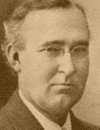
Charles E. Cowman delves into the profound love of God as demonstrated in the story of Jesus, Martha, Mary, and Lazarus. He emphasizes that even in the midst of pain and delay, God's love remains constant and unchanging, guiding His actions for a higher purpose. Cowman reflects on the necessity of suffering and trials in shaping our faith, patience, and experience, ultimately leading us to a deeper understanding of God's love and care for us.
Text
"When he had heard therefore that he was sick, he abode two days still in the same place where he was" (John 11:6).
In the forefront of this marvelous chapter stands the affirmation, "Jesus loved Martha, and her sister, and Lazarus," as if to teach us that at the very heart and foundation of all God's dealings with us, however dark and mysterious they may be, we must dare to believe in and assert the infinite, unmerited, and unchanging love of God. Love permits pain. The sisters never doubted that He would speed at all hazards and stay their brother from death, but, "When he had heard therefore that he was sick, he abode two days still in the same place where he was."
What a startling "therefore"! He abstained from going, not because He did not love them, but because He did love them. His love alone kept Him back from hasting at once to the dear and stricken home. Anything less than infinite love must have rushed instantly to the relief of those loved and troubled hearts, to stay their grief and to have the luxury of wiping and stanching their tears and causing sorrow and sighing to flee away. Divine love could alone hold back the impetuosity of the Savior's tender-heartedness until the Angel of Pain had done her work.
Who can estimate how much we owe to suffering and pain? But for them we should have little scope for many of the chief virtues of the Christian life. Where were faith, without trial to test it; or patience, with nothing to bear; or experience, without tribulation to develop it?--Selected
"Loved! then the way will not be drear;
For One we know is ever near,
Proving it to our hearts so clear
That we are loved.
"Loved when our sky is clouded o'er,
And days of sorrow press us sore;
Still we will trust Him evermore,
For we are loved.
"Time, that affects all things below,
Can never change the love He'll show;
The heart of Christ with love will flow,
And we are loved."
Sermon Outline
- The Affirmation of God's Love
- Love Permits Pain
- The Value of Suffering and Pain
- Suffering and pain develop virtues like faith, patience, and experience
- We owe a debt to suffering and pain for our spiritual growth
Key Quotes
“Loved! then the way will not be drear; For One we know is ever near, Proving it to our hearts so clear That we are loved.” — Charles E. Cowman
“Loved when our sky is clouded o'er, And days of sorrow press us sore; Still we will trust Him evermore, For we are loved.” — Charles E. Cowman
“Time, that affects all things below, Can never change the love He'll show; The heart of Christ with love will flow, And we are loved.” — Charles E. Cowman
Application Points
- We must dare to believe in and assert the infinite, unmerited, and unchanging love of God in all His dealings with us.
- Suffering and pain are essential for our spiritual growth, as they develop virtues like faith, patience, and experience.
- We can trust God in times of sorrow because we know that we are loved by Him.