
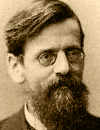
Adolf Schlatter Quotes
Theological faculties in Germany are at risk of losing their way if they abandon God-directed ideas and focus solely on this-worldly explanations.
Adolf Schlatter emphasizes the importance of reading and interpreting the New Testament with a focus on God-directed ideas, warning against solely explaining religion based on worldly factors. He highlights the necessity for theological faculties to maintain a strong foundation in God-centered concepts to avoid reaching a dead end. Schlatter also stresses the significance of mastering scientific methods in theology to ensure progress in the coming decades. Additionally, he encourages deriving investigative questions from the New Testament material itself rather than solely relying on dogmatic traditions.
Text
"If it ever really comes to pass that our students read the New Testament just like they read Homer, and our exegetes explain it like they do Homer with determined elimination of every God-directed idea, then the theological faculties have reached the end of the line." -Adolf Schlatter
"Now if we determine to explain religion based on solely this-worldly factors, then from the outset our observation consistently stands in radical contradiction to our object, which emphatically does not lend itself to such explanation, but loudly and steadfastly insists upon the concept of God." - Adolf Schlatter
"The question whether the coming decades will bring defeat or progress for theology in
Germany depends to a considerable degree on the skill with which we master the methods of scientific labor." - Adolf Schlatter
"When one considers that the purpose of dogmatic work is to gain knowledge, whereas the purpose of the New Testament word is beyond this to call men through God to God, and when one recognizes that dogmatic work has been and must be influenced by later situations and knowledge, it becomes advisable not to take the questions that guide the investigation from the dogmatic tradition, but to get them from the New Testament material itself." - Adolf Schlatter
Sermon Outline
- The State of Theology in Germany
- The Importance of Mastering Scientific Labor
- The Purpose of Dogmatic Work
- Gaining knowledge vs. calling men to God
- The influence of tradition and knowledge on dogmatic work
Key Quotes
“If it ever really comes to pass that our students read the New Testament just like they read Homer, and our exegetes explain it like they do Homer with determined elimination of every God-directed idea, then the theological faculties have reached the end of the line.” — Adolf Schlatter
“When one considers that the purpose of dogmatic work is to gain knowledge, whereas the purpose of the New Testament word is beyond this to call men through God to God, and when one recognizes that dogmatic work has been and must be influenced by later situations and knowledge, it becomes advisable not to take the questions that guide the investigation from the dogmatic tradition, but to get them from the New Testament material itself.” — Adolf Schlatter
Application Points
- Theological study must prioritize the pursuit of God's truth over mere intellectual curiosity.
- The methods of scientific labor are essential for theological progress, but must be used in service of the New Testament's message.
- Dogmatic work must be grounded in the New Testament material itself, rather than relying on tradition or later knowledge.