
The justice of God is His perfect rightness: He gives to all what is due and will not leave sin unpunished. The preachers quoted here show that this justice belongs to His nature, that it was satisfied at the cross so that He is just in forgiving, and that it is a comfort to believers and to those who are wronged.
The justice of God is His perfect rightness in all that He is and does. He gives to every one what is due, He never does wrong, and He will not leave sin unpunished. Moses sang of Him, "He is the Rock, His work is perfect; all His ways are just. A God of faithfulness without injustice, righteous and upright is He." (Deuteronomy 32:4). Thomas Watson wrote, "God's justice has been wronged, but never did any wrong."1 A.W. Tozer wrote, "Justice, when used of God, is a name we give to the way God is, nothing more; and when God acts justly He is not doing so to conform to an independent criterion, but simply acting like Himself in a given situation."2
What justice means
Justice is rightness in dealing with others. James P. Boyce wrote, "By justice is meant that rectitude of character which leads to the treatment of others in strict accordance with their deserts."3 He added, "The justice of God differs in no respect from this attribute as seen among his rational creatures; except that his justice must be perfect while theirs is imperfect, and his must be impartial, while theirs is partial."4 Robert L. Dabney wrote of God, "His distributive justice is the quality more precisely indicated when we call Him a just God, which prompts Him to give to every one his due."5 John Owen gave the widest sense of the word: "It is evident, then, that justice, universally taken, denotes the highest rectitude of the divine nature, and a power and promptitude of doing all things in a manner becoming and agreeable to his wisdom, goodness, and right."6 In Scripture justice and righteousness go together. "Righteousness and justice are the foundation of Your throne; loving devotion and faithfulness go before You." (Psalm 89:14). Tozer wrote, "In the inspired Scriptures justice and righteousness are scarcely to be distinguished from each other."7 In a sermon on the subject he said, "To say that God is just is to say that God is equitable; that He's morally equal."8
Justice belongs to God's nature
God is not just because He keeps a rule that stands over Him. He is just because of what He is. Elihu said, "Indeed, it is true that God does not act wickedly, and the Almighty does not pervert justice." (Job 34:12). Watson wrote, "Holiness will not suffer him to do anything but what is righteous."9 He also wrote, "God wills nothing but what is just; and therefore it is just because he wills it."10 Thomas Manton wrote, "God being essentially righteous and perfectly righteous, yea, righteousness itself, nothing contrary to justice can proceed from him; no iniquity from equity itself, nor injustice from justice itself."11 He added, "The perfection of the divine will is such that he necessarily loveth righteousness and hateth iniquity."12 He set God's justice beside that of angels and men: "Angels may be angels, yet not just, as appears in the devils; but in God it is essential; as his essence is necessarily, so his integrity must needs be so."13 Tozer wrote, "God is His own self-existent principle of moral equity, and when He sentences evil men or rewards the righteous, He simply acts like Himself from within, uninfluenced by anything that is not Himself."14 He said, "The mercy of God is simply God being merciful and the justice of God is simply God being just."8 Paris Reidhead said, "God is infinitely just, and every action that He performs must be in full accord with His justice."15 John Calvin wrote, "If it properly belongs to the nature of God to do judgment, he must naturally love justice and abhor injustice."16 John Bunyan wrote, "You must understand that the justice of God is as unchangeable as His love; His justice cannot change its nature; justice it is, if it be pleased; and justice it is, if it be displeased."17
The Judge of all the earth
Abraham pleaded with God for Sodom on this ground. He asked, "Will not the Judge of all the earth do what is right?" (Genesis 18:25). The question expects only one answer. David wrote, "He judges the world with justice; He governs the people with equity." (Psalm 9:8). Human judges can be mistaken, afraid or bought. God cannot. Scripture calls Him "the great, mighty, and awesome God, showing no partiality and accepting no bribe." (Deuteronomy 10:17). Paul writes, "For God does not show favoritism." (Romans 2:11). Watson wrote, "Men may act unjustly, because they are bribed or forced: God will not be bribed, because of his justice; he cannot be forced, because of his power."18 Manton wrote, "Among men appeals are allowed, because men are fallible, and apt to pervert equity and judgment; and this is their relief that they can appeal higher."19 With God there is no higher court, and none is needed. Dabney wrote, "His justice is true, judging and acting always according to the real state of character and facts."20 Boyce wrote, "To all, therefore, he must deal out the most absolute justice, whatever they deserve, only what they deserve, and the full measure of their deserts."21 Archibald Alexander wrote, "There is no reason to fear that the Judge of all the earth will not do right, or that he will punish any of his creatures more than they deserve."22
Justice and the punishment of sin
Because God is just, sin must be answered. When the Lord proclaimed His name to Moses He spoke of mercy and forgiveness, and then said, "Yet He will by no means leave the guilty unpunished" (Exodus 34:7). Paul writes, "Do not be deceived: God is not to be mocked. Whatever a man sows, he will reap in return." (Galatians 6:7). Charles Hodge wrote, "As the sense of guilt is universal among men, and as the manifestations of sin are so constant and pervading, it is mainly in its relation to sin that the justice of God is revealed."23 He also wrote, "The inseparable connection between sin and misery is a revelation of the justice of God."24 Dabney wrote, "His punitive justice is that phase of His distributive justice which prompts Him always to allot its due punishment to sin."25 Wilhelmus à Brakel wrote, "The justice of God, which cannot be compromised to the least degree, of necessity demands the punishment of the sinner."26 Jonathan Edwards said, "If we consider the infinite evil and heinousness of sin in general, it is not unjust in God to inflict what punishment is deserved; because the very notion of deserving any punishment is, that it may be justly inflicted."27 He added, "A deserved punishment and a just punishment are the same thing."27 Charles Spurgeon said, "The sinner is right in his conviction that God is just, and he is moreover right in the inference which follows from it, that because God is just his sin must be punished."28 In another sermon he said, "The law of gravitation He may suspend—the law of justice, never."29 He told his students, "We must also set before our hearers the justice of God and the certainty that every transgression will be punished."30 Robert Murray M'Cheyne wrote of the awakened sinner, "The Spirit convinces him that God is a just God—that He can by no means clear the guilty."31 J.R. Miller wrote, "There is a law of divine justice in this world, in which God requites to every man according to his deeds."32
Righteousness, not passion
The punishment of sin is not a burst of temper in God. It is the settled act of a righteous Judge. "God is a righteous judge and a God who feels indignation each day." (Psalm 7:11). M'Cheyne said, "There are many men that think God will cast sinners into hell on account of mere passion."33 He gave the true reason: "The answer, brethren, and it is an answer I desire to be written on the heart: it is that the righteous Lord loveth righteousness."33 He added, "God will do anything to save a sinner; but he cannot part with his rectitude in order to save you."33 G. Campbell Morgan wrote of the message of Nahum, "It is that of the absolute justice of God, for His wrath is forevermore discriminative."34 Spurgeon said, "God is clear when he speaks, and he is just when he condemns, whether it be the condemnation which he passes on Christian hearts, or the condemnation which he pronounces from his throne, when the wicked are dragged before him to receive their final doom."35 David owned the same thing about himself. He confessed his sin to God "so that You may be proved right when You speak and blameless when You judge." (Psalm 51:4).
The sinner's difficulty
If God is just, how can a sinner be spared? The question is a real one. Scripture says, "Acquitting the guilty and condemning the righteous— both are detestable to the LORD." (Proverbs 17:15). God will not do what He calls detestable. Spurgeon said, "The justice of God is in itself a great barrier to the salvation of sinners."36 Hodge wrote, "A man, when thus convinced of sin, sees that not only would it be right that he should be punished, but that the justice, or moral excellence of God, demands his punishment."37 Stephen Charnock stated the difficulty: "Since God had decreed and enacted that whosoever sinned should die, God must either, upon man's sin, destroy him to preserve his truth and justice, or neglect his own law, and turn it upside down for the discovery of his mercy."38 He wrote, "His love would not leave the world to perish, nor his justice leave sin without punishment."39 Manton wrote, "God had a mind to be gracious to the creature, but without any disparagement to his justice."40 Henry Law wrote, "God would be cast down, His empire would be a broken reed, His sovereignty would be a shadow's shade, unless justice remains just, and truth continues true, and holiness shines forth inviolate."41 Mercy could not come to sinners by setting justice aside.
Justice satisfied at the cross
God's answer is the death of His Son. Isaiah wrote, "the LORD has laid upon Him the iniquity of us all." (Isaiah 53:6). Paul explains why: "God presented Him as the atoning sacrifice through faith in His blood, in order to demonstrate His righteousness, because in His forbearance He had passed over the sins committed beforehand." (Romans 3:25). He goes on, "He did this to demonstrate His righteousness at the present time, so as to be just and to justify the one who has faith in Jesus." (Romans 3:26). Manton wrote, "This was God's great end in giving Jesus Christ, that he might be known to be a just God; therefore he stood so punctually upon satisfaction, that the sinner must die or the surety."42 Bunyan wrote, "He standing in the room of sinners, and that in their names and natures, God's justice must fall upon Him; for justice takes vengeance for sin wheresoever it finds it, though it be on His dear Son."43 He also wrote of the cross, "The JUSTICE of God is here more seen than in punishing all the damned."44 Charnock wrote, "An infinite justice was wronged, an infinite punishment must be suffered."45 Spurgeon said, "The Judge of all the earth must do right and it is right that sin should involve suffering!"46 He said, "There is more of the vindication of Justice on the Cross than can be seen at any one time, or at any one point, in the lowest depths of Hell!"29 He also said, "The one answer to that is, Justice has been satisfied through the substitution of our blessed Lord and Saviour, Jesus Christ."47 And again, "The Law is magnified, justice is satisfied, mercy is no longer bound by the unsatisfied demands of judgment."46 Tozer wrote, "It is that, through the work of Christ in atonement, justice is not violated but satisfied when God spares a sinner."48 He added, "Redemptive theology teaches that mercy does not become effective toward a man until justice has done its work."49 A.B. Simpson wrote, "The very foundation of the redemption of Christ and the cross of Calvary is God's holiness, justice, and eternal righteousness."50 Paul Washer said of much modern preaching, "It is never made clear that Christ was able to redeem because he was crushed under the justice of God and having satisfied divine justice with his death God is now just and the justifier of the wicked."51 W.G.T. Shedd wrote, "The remarkable provision made in the gospel for the vicarious satisfaction of retributive justice evinces the reality and importance of the attribute."52
Justice and mercy together
At the cross justice and mercy are both at work, and neither gives way. Brakel wrote, "God cannot deny Himself, and thus grace does not negate His justice."53 He added, "Grace is not incompatible with justice, but confirms it."54 Alexander wrote, "There is no goodness in God which forbids or prevents the fullest exercise of justice."55 He also wrote of pardon for the penitent, "This doctrine does not in the least clash with the justice of God; for all the sins of the penitent, to which pardon is granted, are virtually and actually punished in the sinner's substitute."56 Shedd wrote, "The exercise of the other attributes of God is regulated and conditioned by that of justice."57 Spurgeon said, "In Christ mercy is sustained by justice, and justice satisfied by an act of mercy."58 He said, "All the thinkers of the ages continued to think, but they never invented a plan of salvation in which Divine Justice and mercy would be equally conspicuous."46 He also said, "The way, so simple, yet so sublime, by which God is just, and yet the justifier of him that believeth, exhibits the infinite wisdom of the Most High."59 Matthew Henry wrote, "God, in justifying a sinner in the way of the gospel, is gracious to him, yet just to himself and his law."60 Henry Law wrote, "No holy requirement is relaxed--God is inflexibly and unchangeably just, while He freely justifies."61 J.C. Philpot said, "God will never pervert justice for the sake of mercy, nor suffer it to be distorted."62 A.W. Pink wrote of the gospel, "It is not an announcement that God has relaxed His justice or lowered the standard of His holiness."63 Robert Haldane wrote, "This shows that salvation is by justice, as well as by mercy, and gives a view of salvation that never would have entered into the heart of man."64
Justice on the believer's side
For the one who trusts in Christ, the justice of God is no longer a threat. It is a security. John writes, "If we confess our sins, He is faithful and just to forgive us our sins and to cleanse us from all unrighteousness." (1 John 1:9). He does not say only that God is merciful to forgive. He says that God is just to forgive. Spurgeon said, "Yet, nevertheless, it is a truth that, because God is just, he must forgive every sinner who confesses his sin."65 He added, "The same Justice that just now stood with a fiery sword in his hand, like the cherubim of old keeping the way of the tree of life, now goes hand in hand with the sinner."66 He also said, "Justice itself prevents, for when Justice once is satisfied it were injustice if it should ask for more."67 J.C. Ryle wrote, "God is a just God, and will not require His debts to be paid twice over."68 Richard Sibbes wrote, "God is just, but he will not have his justice twice satisfied, seeing whatsoever is due thereunto is satisfied by Christ our husband."69 Pink wrote, "It is the declaration of God that the party arraigned is fully conformed to the law; justice exonerates him because justice has been satisfied."70 He also wrote, "Justification assures the believer that the Judge of all the earth is for him, and not against him: that justice itself is on his side."71 Tozer said, "Justice is over on our side now, because the mystery of the agony of God on the Cross has changed our moral situation."8 Charnock wrote of Christ's reception into heaven after His work, "The grace of God accepted it, and justice could plead nothing against it; grace and justice took him by each arm and led him to the throne of glory."72 Edward Payson wrote of the reward due to Christ, "A just God is as much bound to reward him, as he is to punish the wicked."73 Hodge wrote, "It is essential to peace with God, that the soul should see that justice is satisfied."74 Spurgeon said, "Even the sterner attributes of God smile upon the saint—His Justice, His Righteousness, His Glory are all on the side of every Believer!"75 Paul asks, "Who will bring any charge against God's elect? It is God who justifies." (Romans 8:33).
No hope in justice without Christ
The same justice leaves no hope to the person who stands on his own record. Paul says the law speaks "so that every mouth may be silenced and the whole world held accountable to God." (Romans 3:19). Charles Finney said, "The human heart is too proud to throw itself upon mercy while it presumes itself to have a valid claim to favor on the score of justice."76 He added, "An excuse or apology is nothing more nor less than an appeal to justice; a plea designed to justify our conduct."77 He also said, "God never can forgive you on this ground, because you are trying to be saved on the score of justice."78 Gardiner Spring wrote, "No man can from the heart accept God's pardoning mercy, until he approves his condemning justice."79 Payson said, "You must be reconciled to God's holiness and justice; for never, never can he be reconciled to your sins."80 Edwards said to those who objected to God's dealings, "It is from little thoughts of God, that you quarrel against his justice in the condemnation of sinners, from the doctrine of original sin."81 A sinner must agree with God's verdict before he can receive God's pardon.
When justice seems slow
In this life the guilty often go free and the innocent suffer. Scripture admits it: "When the sentence for a crime is not speedily executed, the hearts of men become fully set on doing evil." (Ecclesiastes 8:11). Thomas Boston wrote, "The justice of God requires that men should reap according to what they have sown; that it should be well with the righteous, and ill with the wicked."82 He went on, "Many times the most guilty sinners are not punished in the present life; they not only escape the justice of men, but are under no conspicuous marks of the justice of God."83 Manton wrote, "God's justice is seen by the present government of the world, but not so clearly."84 He gave counsel for such times: "When carnal men pass their time in joy and the godly in tears, it is good then to meditate of God's righteousness."85 He added, "It is good so to do, that we may humble ourselves under his mighty hand, and compose our soul to patience and a quiet submission, and with hope to wait upon God in the midst of wrongs and injuries."86 The delay is not the end of the matter. "For God will bring every deed into judgment, along with every hidden thing, whether good or evil." (Ecclesiastes 12:14). Paul told the men of Athens that God "has set a day when He will judge the world with justice by the Man He has appointed." (Acts 17:31). Alexander wrote, "The end of appointing a day of judgment is, that the justice of God may be manifested, in his treatment of his creatures, and that the righteous may be vindicated from all those calumnies which, in this world, were heaped upon them."87 Edwards said, "The vindictive justice of God will appear strict, exact, awful, and terrible, and therefore glorious."88 Paul warns the unrepentant of "the day of wrath, when God's righteous judgment will be revealed." (Romans 2:5).
Comfort for those who are wronged
Because God is just, His people do not need to take vengeance. Paul writes, "Do not avenge yourselves, beloved, but leave room for God's wrath." (Romans 12:19). Peter says of Christ, "When they heaped abuse on Him, He did not retaliate; when He suffered, He made no threats, but entrusted Himself to Him who judges justly." (1 Peter 2:23). Paul told a suffering church, "After all, it is only right for God to repay with affliction those who afflict you," (2 Thessalonians 1:6). Henry wrote, "God's justice is a terror to the wicked, but a comfort to the godly."89 James Smith wrote, "For as He is our God: His power will protect us, His wisdom will guide us, His mercy will sympathize with us, His justice will avenge our wrongs, His providence will make all things work together for our good."90 God's justice also remembers what is done for Him. "For God is not unjust. He will not forget your work and the love you have shown for His name as you have ministered to the saints and continue to do so." (Hebrews 6:10). Isaiah joins His justice to His grace: "Therefore the LORD longs to be gracious to you; therefore He rises to show you compassion, for the LORD is a just God. Blessed are all who wait for Him." (Isaiah 30:18).
Living before a just God
A just God asks justice of His people. "He has shown you, O man, what is good. And what does the LORD require of you but to act justly, to love mercy, and to walk humbly with your God?" (Micah 6:8). Those who have been forgiven justly, through the blood of Christ, have every reason to deal rightly with others and to leave their own cause with God. In heaven His justice is a theme of praise. The redeemed sing, "Just and true are Your ways, O King of the nations!" (Revelation 15:3). The psalmist says the same on earth: "Righteous are You, O LORD, and upright are Your judgments." (Psalm 119:137).
- Thomas Watson, A Body Of Divinity, "The Justice Of God".
- A. W. Tozer, Knowledge of the Holy, "Chapter 17".
- James Petigru Boyce, Abstract of Systematic Theology, "CHAPTER XI: By justice is meant that rectitude of character which...".
- James Petigru Boyce, Abstract of Systematic Theology, "CHAPTER XI: By justice is meant that rectitude of character which...".
- Robert L. Dabney, Writings of Robert L Dabney, "Chapter 12: Revealed Theology: God and His Attributes".
- John Owen, A Dissertation on Divine Justice, "Chapter II: The universal justice of God -- The idle fancies of the...".
- A. W. Tozer, Knowledge of the Holy, "Chapter 17".
- A.W. Tozer, "Attributes of God #4 'God's Justice'" (sermon).
- Thomas Watson, A Body Of Divinity, "The Justice Of God".
- Thomas Watson, A Body Of Divinity, "The Justice Of God".
- Thomas Manton, The Complete Works of Thomas Manton, D.D. Vol. VIII, "Sermon cliii".
- Thomas Manton, The Complete Works of Thomas Manton, D.D. Vol. VIII, "Sermon cliii".
- Thomas Manton, The Complete Works of Thomas Manton, D.D. Vol. VIII, "Sermon cliii".
- A. W. Tozer, Knowledge of the Holy, "Chapter 17".
- Paris Reidhead, "Why Christ Came" (sermon).
- John Calvin, The Institutes Of The Christian Religion, "Chapter 23. refutation of the calumnies by which this doctrine is...".
- John Bunyan, The Works Of John Bunyan Volumes 1-3, "The doctrine".
- Thomas Watson, A Body Of Divinity, "The Justice Of God".
- Thomas Manton, The Complete Works of Thomas Manton, D.D. Vol. VIII, "Sermon cliii".
- Robert L. Dabney, Writings of Robert L Dabney, "Chapter 12: Revealed Theology: God and His Attributes".
- James Petigru Boyce, Abstract of Systematic Theology, "CHAPTER XI: By justice is meant that rectitude of character which...".
- Archibald Alexander, Writings of Archibald Alexander, "S. Universalism: False and Unscriptural".
- Charles Hodge, Systematic Theology - Volume I, "Chapter v: nature and attributes of god".
- Charles Hodge, Systematic Theology - Volume I, "Chapter v: nature and attributes of god".
- Robert L. Dabney, Writings of Robert L Dabney, "Chapter 12: Revealed Theology: God and His Attributes".
- Brakel Wilhelmus A, Christian Reasonable Service, "Chapter 3: The Essence of God".
- Jonathan Edwards, "The Justice of God in the Damnation of Sinners" (sermon).
- C.H. Spurgeon, Spurgeons Sermons Volume 5 1859, "Justice Satisfied".
- C.H. Spurgeon, "Justice Vindicated And Righteousness Exemplified" (sermon).
- Charles H. Spurgeon, Lectures to my students by charles spurgeon (4 Volumes), "Vol 03 - LECTURE 10 - ON CONVERSION AS OUR AIM".
- Robert M. Mccheyne, Writings of Robert M Mccheyne, "S. The Conviction of Sin".
- J.R. Miller, "The Seeds We Are Scattering" (sermon).
- Robert Murray M'Cheyne, "God's Rectitude in Future " (sermon).
- G. Campbell Morgan, "The Message of Nahum" (sermon).
- C.H. Spurgeon, "Unimpeachable Justice" (sermon).
- C.H. Spurgeon, Spurgeons Sermons Volume 5 1859, "Justice Satisfied".
- Charles Hodge, Systematic Theology - Volume I, "Chapter v: nature and attributes of god".
- Stephen Charnock, Writings of Stephen Charnock, "A Discourse of God's being the Author of Reconciliation".
- Stephen Charnock, Writings of Stephen Charnock, "A Discourse of God's being the Author of Reconciliation".
- Thomas Manton, The Complete Works of Thomas Manton, D.D. Vol. VIII, "Sermon cliii".
- Henry Law, "The Willing Servant" (sermon).
- Thomas Manton, The Complete Works of Thomas Manton, D.D. Vol. VIII, "Sermon cliii".
- John Bunyan, The Works Of John Bunyan Volumes 1-3, "The doctrine".
- John Bunyan, The Works Of John Bunyan Volumes 1-3, "Light for them that sit in darkness;".
- Stephen Charnock, Writings of Stephen Charnock, "A Discourse of God's being the Author of Reconciliation".
- C.H. Spurgeon, "The Word of the Cross" (sermon).
- C.H. Spurgeon, Spurgeons Sermons Volume 5 1859, "Justice Satisfied".
- A. W. Tozer, Knowledge of the Holy, "Chapter 17".
- A. W. Tozer, Knowledge of the Holy, "Chapter 17".
- A.B. Simpson, "Psalms Chapter 1 the Ideal Man -- Psalm 1" (sermon).
- Paul Washer, "Ten Indictments (A Historical 21st Century Message) - Part 1" (sermon).
- Shedd William gt, Shedd, William G.T.-Dogmatic Theology, "Divine Attributes".
- Brakel Wilhelmus A, Christian Reasonable Service, "Chapter 3: The Essence of God".
- Brakel Wilhelmus A, Christian Reasonable Service, "Chapter 3: The Essence of God".
- Archibald Alexander, Writings of Archibald Alexander, "S. Evidences of the Authenticity, Inspiration and Canonical...".
- Archibald Alexander, Writings of Archibald Alexander, "S. Evidences of the Authenticity, Inspiration and Canonical...".
- Shedd William gt, Shedd, William G.T.-Dogmatic Theology, "Divine Attributes".
- C.H. Spurgeon, Spurgeons Sermons Volume 31 1885, "Immeasurable Love".
- Charles Haddon Spurgeon, Spurgeon's Sermons Volume 62: 1916, "Joy in Salvation".
- Matthew Henry , Matthew Henrys Concise Commentary On The Bible, "Titus Chapter 3".
- Henry Law, Writings of Henry Law - Volume 1, "The PRICE of Forgiveness (part 1)".
- J.C. Philpot, "Wonders Shown to the Dead" (sermon).
- A.W. Pink, "Signs of the Times" (sermon).
- Robert Haldane, Exposition on the Epistle to the Romans, "Chapter 8".
- C.H. Spurgeon, Spurgeons Sermons Volume 5 1859, "Justice Satisfied".
- C.H. Spurgeon, Spurgeons Sermons Volume 5 1859, "Justice Satisfied".
- C.H. Spurgeon, Spurgeons Sermons Volume 5 1859, "Justice Satisfied".
- J.C. Ryle, "Justified!" (sermon).
- Sibbes, Union with Christ, "The second sermon".
- A.W. Pink, "The Doctrine of Justification 2. Its Meaning" (sermon).
- A.W. Pink, "The Doctrine of Justification 6. Its Source" (sermon).
- Stephen Charnock, Writings of Stephen Charnock, "A Discourse of God's being the Author of Reconciliation".
- Edward Payson, Writings of Edward Payson, "S. our sins infinite in number and enormity".
- Charles Hodge, Systematic Theology - Volume I, "Chapter v: nature and attributes of god".
- C.H. Spurgeon, "Abraham's Great Reward" (sermon).
- Charles Finney, Sermons On Gospel Themes, "Ii. on trusting in the mercy of god".
- Charles Finney, Sermons On Gospel Themes, "Ii. on trusting in the mercy of god".
- Charles Finney, "On Trusting in the Mercy of God" (sermon).
- Gardiner Spring, The Glory of Christ, "— Destruction of His Enemies".
- Edward Payson, "The Stubborn Sinner Submitting to God" (sermon).
- Jonathan Edwards, "The Sole Consideration, That God Is God, Sufficient to Still All Objections to His Sovereignty" (sermon).
- Thomas Boston, Writings of Thomas Boston, "Of God and His Perfections".
- Thomas Boston, Writings of Thomas Boston, "Of God and His Perfections".
- Thomas Manton, The Complete Works of Thomas Manton, D.D. Vol. VIII, "Sermon cliii".
- Thomas Manton, The Complete Works of Thomas Manton, D.D. Vol. VIII, "Sermon cliii".
- Thomas Manton, The Complete Works of Thomas Manton, D.D. Vol. VIII, "Sermon cliii".
- Archibald Alexander, Writings of Archibald Alexander, "S. A Brief Compend of Bible Truth".
- Jonathan Edwards, "The Eternity of Hells Torments" (sermon).
- Matthew Henry , Matthew Henrys Concise Commentary On The Bible, "Jeremiah Chapter 11".
- James Smith, Daily Bible Readings for the Lord's Household, ""The Lord is our God!" 2 Chronicles 13:10".
In their own words
Each line below is quoted exactly from a sermon on this site. Follow the link to hear or read it where it was said.
To say that God is just is to say that God is equitable; that He's morally equal.
 A.W. Tozer
in Attributes of God #4 'God's Justice'
Read in context
The mercy of God is simply God being merciful and the justice of God is simply God being just.
A.W. Tozer
in Attributes of God #4 'God's Justice'
Read in context
Justice is over on our side now, because the mystery of the agony of God on the Cross has changed our moral situation.
A.W. Tozer
in Attributes of God #4 'God's Justice'
Read in context
God is infinitely just, and every action that He performs must be in full accord with His justice.
 Paris Reidhead
in Why Christ Came
Read in context
If we consider the infinite evil and heinousness of sin in general, it is not unjust in God to inflict what punishment is deserved; because the very notion of deserving any punishment is, that it may be justly inflicted.
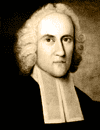 Jonathan Edwards
in The Justice of God in the Damnation of Sinners
Read in context
A deserved punishment and a just punishment are the same thing.
Jonathan Edwards
in The Justice of God in the Damnation of Sinners
Read in context
The law of gravitation He may suspend—the law of justice, never.
 C.H. Spurgeon
in Justice Vindicated And Righteousness Exemplified
Read in context
There is more of the vindication of Justice on the Cross than can be seen at any one time, or at any one point, in the lowest depths of Hell!
C.H. Spurgeon
in Justice Vindicated And Righteousness Exemplified
Read in context
There is a law of divine justice in this world, in which God requites to every man according to his deeds.
 J.R. Miller
in The Seeds We Are Scattering
Read in context
There are many men that think God will cast sinners into hell on account of mere passion.
 Robert Murray M'Cheyne
in God's Rectitude in Future ...
Read in context
The answer, brethren, and it is an answer I desire to be written on the heart: it is that the righteous Lord loveth righteousness.
Robert Murray M'Cheyne
in God's Rectitude in Future ...
Read in context
God will do anything to save a sinner; but he cannot part with his rectitude in order to save you.
Robert Murray M'Cheyne
in God's Rectitude in Future ...
Read in context
It is that of the absolute justice of God, for His wrath is forevermore discriminative.
 G. Campbell Morgan
in The Message of Nahum
Read in context
God is clear when he speaks, and he is just when he condemns, whether it be the condemnation which he passes on Christian hearts, or the condemnation which he pronounces from his throne, when the wicked are dragged before him to receive their final doom.
C.H. Spurgeon
in Unimpeachable Justice
Read in context
God would be cast down, His empire would be a broken reed, His sovereignty would be a shadow's shade, unless justice remains just, and truth continues true, and holiness shines forth inviolate.
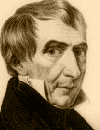 Henry Law
in The Willing Servant
Read in context
The Judge of all the earth must do right and it is right that sin should involve suffering!
C.H. Spurgeon
in The Word of the Cross
Read in context
The Law is magnified, justice is satisfied, mercy is no longer bound by the unsatisfied demands of judgment.
C.H. Spurgeon
in The Word of the Cross
Read in context
All the thinkers of the ages continued to think, but they never invented a plan of salvation in which Divine Justice and mercy would be equally conspicuous.
C.H. Spurgeon
in The Word of the Cross
Read in context
The very foundation of the redemption of Christ and the cross of Calvary is God's holiness, justice, and eternal righteousness.
 A.B. Simpson
in Psalms Chapter 1 the Ideal Man -- Psalm 1
Read in context
It is never made clear that Christ was able to redeem because he was crushed under the justice of God and having satisfied divine justice with his death God is now just and the justifier of the wicked.
 Paul Washer
in Ten Indictments (A Historical 21st Century Message) - Part 1
Read in context
God will never pervert justice for the sake of mercy, nor suffer it to be distorted.
 J.C. Philpot
in Wonders Shown to the Dead
Read in context
It is not an announcement that God has relaxed His justice or lowered the standard of His holiness.
 A.W. Pink
in Signs of the Times
Read in context
God is a just God, and will not require His debts to be paid twice over.
 J.C. Ryle
in Justified!
Read in context
It is the declaration of God that the party arraigned is fully conformed to the law; justice exonerates him because justice has been satisfied.
A.W. Pink
in The Doctrine of Justification 2. Its Meaning
Read in context
Justification assures the believer that the Judge of all the earth is for him, and not against him: that justice itself is on his side.
A.W. Pink
in The Doctrine of Justification 6. Its Source
Read in context
Even the sterner attributes of God smile upon the saint—His Justice, His Righteousness, His Glory are all on the side of every Believer!
C.H. Spurgeon
in Abraham's Great Reward
Read in context
God never can forgive you on this ground, because you are trying to be saved on the score of justice.
 Charles Finney
in On Trusting in the Mercy of God
Read in context
You must be reconciled to God's holiness and justice; for never, never can he be reconciled to your sins.
 Edward Payson
in The Stubborn Sinner Submitting to God.
Read in context
It is from little thoughts of God, that you quarrel against his justice in the condemnation of sinners, from the doctrine of original sin.
Jonathan Edwards
in The Sole Consideration, That God Is God, Sufficient to Still All Objections to His Sovereignty
Read in context
The vindictive justice of God will appear strict, exact, awful, and terrible, and therefore glorious.
Jonathan Edwards
in The Eternity of Hells Torments
Read in context
What Scripture says
- Deuteronomy 32:4 all His ways are just; a God without injustice
- Genesis 18:25 the Judge of all the earth will do what is right
- Psalm 89:14 righteousness and justice are the foundation of His throne
- Job 34:12 the Almighty does not pervert justice
- Romans 2:11 God does not show favouritism
- Exodus 34:7 He will by no means leave the guilty unpunished
- Romans 3:26 just, and the justifier of the one who has faith in Jesus
- 1 John 1:9 faithful and just to forgive
- Acts 17:31 a day is set when He will judge the world with justice
- Romans 12:19 vengeance belongs to the Lord
- Micah 6:8 act justly, love mercy, walk humbly with God
How this page is made: the quotes are taken word for word from sermons on SermonIndex and checked against them by program before the page is published. The transcripts of audio and video sermons are machine-made, so follow the link to hear the words as they were spoken. The answer above the quotes is an overview with its sources listed; it is not a statement of doctrine by SermonIndex.