
Propitiation is the turning away of God's wrath against sin by the sacrifice of Christ, which God Himself provided in love. The preachers quoted here explain the word, trace it to the blood-sprinkled mercy seat of the Old Testament, and show how it lets God be just and the justifier of the one who believes, and gives the believer boldness at the throne of grace.
Propitiation is the turning away of God's wrath against sin by a sacrifice. The New Testament says that Jesus Christ is that sacrifice and that God Himself gave Him. John writes, "And love consists in this: not that we loved God, but that He loved us and sent His Son as the atoning sacrifice for our sins." (1 John 4:10). Richard Watson wrote, "To propitiate is to appease, to atone, to turn away the wrath of an offended person."1
The word in our Bibles
The Berean Standard Bible, quoted on this page, does not use the word. In Romans 3:25, 1 John 2:2 and 1 John 4:10 it has atoning sacrifice. Paul says of Christ Jesus, "God presented Him as the atoning sacrifice through faith in His blood" (Romans 3:25). John uses the term twice in his first letter. Hebrews says the same thing in other words: Christ became a high priest "in order to make atonement for the sins of the people." (Hebrews 2:17). The preachers quoted here use the word propitiation throughout.
Propitiation is one of several words Scripture uses for what Christ did on the cross. Redemption speaks of a price paid, reconciliation of enemies made friends, justification of a verdict in court. Propitiation looks towards God and His anger at sin. A.W. Pink wrote, "Reconciliation is between God and us; propitiation is solely God-ward."2 He added, "Propitiation was the appeasing of God's holy anger and righteous wrath; reconciliation is entering into the peace which the atoning sacrifice of Christ has procured."3 Reconciliation and justification have their own pages, linked below.
What the word means
To propitiate is to turn away anger by an offering. Andrew Bonar wrote, "A propitiation means something spoken or given or done or borne, by which the burning displeasure of a superior is calmed down and removed."4 Hugh Binning wrote of John's words, "Another is expressed, that Christ is the propitiation,—in opposition to that provocation, he pacifies wrath, and then conciliates favour by the sacrifice of himself."5 Thomas Watson found two things in it. He wrote, "The great privilege in the text is, to have Christ for a propitiation; which is not only to free us from God's wrath, but to ingratiate us into his love and favour."6 Benjamin Keach wrote, "God's wrath is only appeased by a sacrifice; and this was clearly hinted from the beginning."7 Thomas Manton wrote, "God was offended by our sins, and his wrath is pacified by Christ's sacrifice or dying for us, as the disturbed sense is quieted and appeased by a good savour."8
The wrath that had to be turned away
Propitiation has no meaning unless God is truly angry at sin. Scripture says that He is. "The wrath of God is being revealed from heaven against all the godlessness and wickedness of men who suppress the truth by their wickedness." (Romans 1:18). Paul says of himself and his readers before they believed, "Like the rest, we were by nature children of wrath." (Ephesians 2:3). Richard Watson wrote that "they who deny the existence of wrath in God, deny, therefore, the Scriptures."9 John Broadus said, "It is a very common notion today that anger is wrong: that it is out of the question to speak of God as really feeling anger, and that must be in Scripture a mere figure of speech."10 He said also, "God is holy, and it is quite as needful to appreciate his holiness and his justice as it is to appreciate his love and mercy."10
The need is seen only where sin is seen. Broadus said, "It is only in proportion as we realize the evil of sin that we see the necessity of atonement, and on the other hand a hearty recognition of the atonement gives us more adequate views of sin."10
God Himself provided it
This is the heart of the matter. In the religions of the nations men bring gifts to win over their gods. Broadus said of them, "Their ideas of sacrifice and propitiation have been sadly erroneous, grotesque sometimes, often horrible, always degrading."10 In the gospel the offering comes from God. Paul does not say that we presented Christ to God. He says, "God presented Him as the atoning sacrifice" (Romans 3:25). John says that God "loved us and sent His Son as the atoning sacrifice for our sins." (1 John 4:10). Charles Spurgeon said, "You are now in the house of prayer, addressed by one of the Lord's ambassadors, and the tidings are of peace through a propitiation which God himself has provided and accepted."11 Andrew Bonar wrote of the blood of Christ, "It is the plea which God Himself, with whom we have to do, has furnished to the perishing sinner."12 He asked his reader, "Have you ever felt God's holy justice in requiring such a sacrifice, and His holy love in providing it, not sparing His only begotten Son?"12 John Murray wrote of those whom God loved while they were still children of wrath, "It is this truth that enhances the marvel of His love, and if we deny it or tone it down we have eviscerated the greatness of His love."13 He went on, "The doctrine of the propitiation is precisely this that God loved the objects of His wrath so much that He gave His own Son to the end that He by His blood should make provision for the removal of this wrath."14
Not a reluctant God won over
The cross did not make God love sinners. He loved them, and so He gave His Son. Broadus said, "It is a gross caricature to say that God the holy Father hates his children and will not be gracious to them until the Redeemer propitiates him into doing what he does not wish to do."10 He added, "The Scriptures tell us he was sent to be the propitiation for our sins because God loved us."10 Alexander Maclaren wrote, "Christian teaching about Christ's work has often, both by its friends and its foes, been so presented as to lead to the conception that it was the work of Christ which made God love men."15 He called this a caricature of the true teaching. Richard Watson wrote, "It is sufficient to show that there is not only no implacability in God, but a most tender and placable affection toward the sinning human race itself, that the Son of God, by whom the propitiation was made, was the free gift of the Father to us."16
Yet love did not set justice aside. Richard Watson wrote, "God is love; but it is not necessary in order to support this truth, to assume that he is nothing else."17 Maclaren wrote, "A love that cares nothing for the moral character of its object is not love, but hate; it is not kindness, but cruelty."18 He wrote also, "There must first be the propitiation for our sins, and then that mighty love reaches its purpose and attains its end, and can give us the life of God to be the life of our souls."19 Paul sets the two side by side. "But God proves His love for us in this: While we were still sinners, Christ died for us." (Romans 5:8). He goes on, "Therefore, since we have now been justified by His blood, how much more shall we be saved from wrath through Him!" (Romans 5:9).
The mercy seat
The Old Testament gave a picture of all this. God told Moses to make a cover of pure gold for the ark. "Set the mercy seat atop the ark, and put the Testimony that I will give you into the ark." (Exodus 25:21). Inside the ark lay the law that Israel had broken. Above it the cherubim looked down. God said, "And I will meet with you there above the mercy seat" (Exodus 25:22). Hebrews recalls it: "Above the ark were the cherubim of glory, overshadowing the mercy seat." (Hebrews 9:5). T. Austin-Sparks said, "It is a very impressive thing that, right at the very centre and heart of this whole great system of the Old Testament, represented by the tabernacle, is the mercy-seat."20
Spurgeon said of the law apart from Christ, "The Law apart from Christ is a terror to our guilty souls because it is a Law broken and, therefore, condemning!"21 The mercy seat covered that law, and there God met with His people. Austin-Sparks said, "The gold of the glory was there at the mercy-seat, but it was not a throne of judgment; it was a throne of grace."20
The blood on the Day of Atonement
The mercy seat could not be approached without blood. Once a year the high priest went behind the veil. "And he is to take some of the bull's blood and sprinkle it with his finger on the east side of the mercy seat; then he shall sprinkle some of it with his finger seven times before the mercy seat." (Leviticus 16:14). He did the same with the blood of the goat slain for the people: "He is to sprinkle it against the mercy seat and in front of it." (Leviticus 16:15). The law gives the reason. "For the life of the flesh is in the blood, and I have given it to you to make atonement for your souls upon the altar; for it is the blood that makes atonement for the soul." (Leviticus 17:11). Hebrews says, "without the shedding of blood there is no forgiveness." (Hebrews 9:22).
Charles Finney said, "The victim was brought out to be slain; the blood was carried in and sprinkled on the mercy-seat."22 Zac Poonen wrote, "The mercy seat was where the blood was sprinkled on the day of atonement."23 C.E. Stuart wrote, "Death then must take place for propitiation to be made, and a high priest is needed to deal with the blood when taken into the holiest of all."24 Andrew Bonar drew a lesson from what the priest carried in. He wrote, "On the day of atonement, the priest in Israel who came forward to the mercy-seat, laid down nothing but sin on that blood-sprinkled lid."12 He went on, "The priest who thus confessed and spread out his sin, found God at that spot where the seven-times sprinkled blood lay, waiting to be gracious."12 He wrote of the blood-sprinkled mercy seat, "There, and there only, the Holy One can meet with the guilty, and be reconciled."12
Christ is the mercy seat
The word Paul uses in Romans 3:25 is the word used for the mercy seat. Spurgeon said, "God, then, has set forth Christ Jesus—made Him conspicuous as being the Mercy Seat, and the great hider of sin!"25 Andrew Bonar wrote of Christ, "He is the antitype of the mercy seat, which is called the propitiatory in the Greek; and He is antitype of every propitiatory sacrifice."26 Edward Payson said, "As the mercy-seat was in the tabernacle, so, an apostle informs us, Christ is set forth or exhibited as a mercy-seat through faith in his blood."27 He went on, "They, and they only who come to God in Christ, will find him on a mercy-seat, or, in other words, find him ready to show mercy."27 Austin-Sparks said, "Jesus occupies the central place in the whole scheme of redemption, and that place is the mercy-seat."20 Manton wrote, "Our infirmities are covered with his righteousness; for Christ is the propitiation, the mercy-seat that interposeth between the law and God's gracious audience."28
Christ is the place where God meets the sinner, and He is the sacrifice whose blood makes the meeting possible. Spurgeon said of the blood of the sin offering, "It is a covering, a propitiation, a Mercy Seat for the Most Holy God."29 He said in another sermon, "We often speak of the Mercy Seat, but do we, as often as we should, remember that Jesus Christ, Himself, is that Mercy Seat?"21 Hebrews says of Christ, "He did not enter by the blood of goats and calves, but He entered the Most Holy Place once for all by His own blood, thus securing eternal redemption." (Hebrews 9:12).
Just and the justifier
Paul says why God presented Christ in this way. It was "in order to demonstrate His righteousness" (Romans 3:25) and he repeats it: "He did this to demonstrate His righteousness at the present time, so as to be just and to justify the one who has faith in Jesus." (Romans 3:26). If God had simply overlooked sin, He would not have been just. If He had only punished it, no sinner could be saved. At the cross He did neither. Spurgeon said, "The sacrifice of Christ has enabled God to be just, and yet the justifier of him that believeth."30 J.C. Ryle wrote, "Here the great problem is solved, how God can be just and yet justify the ungodly."31 W.H. Griffith Thomas wrote, "How He can be just and yet justify the ungodly is an insoluble problem apart from Jesus Christ."32 Charles Hodge wrote, "Christ was set forth as a propitiation, in order that God might be just in justifying the ungodly."33 Robert Haldane wrote, "Grace and justice, mercy and punishment, are blended together in the most perfect harmony."34
Stephen Charnock wrote, "The very title of justification implies not only mercy, but justice, and more justice than mercy; for justification is not upon a bare petition, but a propitiation."35 He wrote of pardon, "God is not to be sought to for this concern, but in Christ; nor mere mercy implored without the Redeemer's merit, because God does not forgive our sins, or reconcile our persons to himself, but for the propitiating blood of his Son."36 Spurgeon said, "In His Wisdom, whose judgment is Infallible, sin was not pardonable except through a propitiatory Sacrifice!"37 A.A. Hodge wrote, "The enlightened conscience is never satisfied until it sees that God can be just in justifying the ungodly; that sin has been punished, the justice of God satisfied, his law honored and vindicated."38
A merciful and faithful high priest
In Israel the priest and the offering were two. In Christ they are one. Hebrews says, "For this reason He had to be made like His brothers in every way, so that He might become a merciful and faithful high priest in service to God, in order to make atonement for the sins of the people." (Hebrews 2:17). He took flesh and blood so that He could die for His brothers. Richard Sibbes wrote, "The first and chief ground of our comfort is that Christ as a priest offered himself as a sacrifice to his Father for us."39 Murray wrote, "It is the prerogative of the priest to offer sacrifice and only in the exercise of His prerogative as the great high priest of our profession did Jesus offer Himself."40 John Flavel wrote, "He cannot as our priest offer up himself a sacrifice to God for us except he be humbled and humbled to death."41 Spurgeon said, "You have not taken the Lord Jesus as a Priest unless you have believed in His blood as presenting a propitiation for your sins, and as cleansing you before the holy Presence of the Most High God."42
The tax collector's prayer
The Lord Jesus told of two men who went up to the temple to pray. One thanked God that he was not like other men. The other would not even look up. He "beat his breast and said, 'God, have mercy on me, a sinner!'" (Luke 18:13). Jesus said, "this man, rather than the Pharisee, went home justified." (Luke 18:14). The temple was the place of sacrifice, and the man's prayer looked that way. Spurgeon said, "The original Greek permits us to see that this man had an eye to the Propitiation."43 He said of the tax collector, "He does not present to God his tears, his abstinence, his self-denial, his generosity to the Church, his liberality to the poor, or anything else—he simply begs the Lord to be propitiated and to be merciful to him because of the great Sacrifice."43 He brought no payment and no promise, and he went home right with God.
The advocate and the atoning sacrifice
John wrote to believers so that they would not sin. He knew that they would need help when they did. "My little children, I am writing these things to you so that you will not sin. But if anyone does sin, we have an advocate before the Father—Jesus Christ, the Righteous One." (1 John 2:1). He goes on, "He Himself is the atoning sacrifice for our sins, and not only for ours but also for the sins of the whole world." (1 John 2:2). H.A. Ironside wrote, "An advocate is someone who goes into court to represent you and to plead your case."44 He went on, "You cannot defend yourself, but, when you go to your advocate, he defends you and pleads your case against your adversary."45 The advocate does not plead that the sin was small. He pleads His own sacrifice. Charnock wrote, "He is first a sacrifice for propitiation, then an advocate for intercession."46 Robert Candlish wrote of Christ, "He is present with us now as our advocate with the Father; and it is as being the propitiation for our sins that he is present with us."47 He wrote, "The two, in fact, are one; his advocacy with the Father is his being the propitiation for our sins."48 He added, "He is here with me now, the propitiation for my sins now, precisely as he was on Calvary."49
Spurgeon said, "God has set forth Christ to be not only an all-sufficient, but an immutable Propitiation for sin."25 He said, "It is true—it is true that the Propitiation of Christ is never more, never less; it cannot be more, it is complete; it cannot be less, for it is the same yesterday, today and forever!"25 Charnock wrote, "He that has been a propitiation for your guilt, and an advocate against your accusers, shall never as a judge condemn you for your sins."50
How far John's last words reach, "and not only for ours but also for the sins of the whole world" (1 John 2:2) is a question on which preachers differ. It is taken up on the page about the atonement, linked below. Candlish, writing on the verse, held that "it is out of place here to introduce the subject of the bearing of the propitiation on mankind at large"51. This page follows him. What is plain is that there is one sacrifice for sin and no other, and that every sinner is told to come to it. Spurgeon said, "There is no other propitiation, or atonement, or way of acceptance; and if you reject this way, you must die in your sins."52
This is love
John's second use of the word is in a passage about love. "This is how God's love was revealed among us: God sent His one and only Son into the world, so that we might live through Him." (1 John 4:9). Then he says where love is to be seen: "And love consists in this: not that we loved God, but that He loved us and sent His Son as the atoning sacrifice for our sins." (1 John 4:10). The measure of the love is what God gave and what He gave Him to be. Maclaren wrote, "It is the Cross that reveals the love, and it is the Cross as the means of propitiation that pours the light of that blessed conviction into men's hearts."53 Spurgeon said, "I have shown you wherein God's Love excels all other loves—it is love to the loveless, love to the sinful, love providing a propitiation."37 Murray wrote, "Christ is truly the propitiation for our sins because He propitiated the wrath which was our damnation."54 James Denney wrote that when God forgives sin He must declare how real that sin is to Him: "This is what is done in the propitiation, and it is in proportion as we appreciate this that the Divine forgiveness appears an unspeakable gift."55
John draws a plain duty from it. "Beloved, if God so loved us, we also ought to love one another." (1 John 4:11). Those for whom God provided such a sacrifice cannot hold back love from one another.
Received by faith
Paul says that Christ is the atoning sacrifice "through faith in His blood" (Romans 3:25). The sacrifice is complete without us, but it does a man no good until he trusts it. Thomas Watson wrote, "The blood of God, without faith in Christ, will not save."56 He went on, "Christ's sufferings are the plaister to heal a sin-sick soul, but this plaister must be applied by faith."57 He added, "It is not money in a rich man's hand, though offered to us, that will enrich us, unless we receive it."58 Haldane wrote, "This propitiation was made by blood, by which is to be understood all the sufferings of Christ, and, above all, His death, by which they were consummated."59 Charnock wrote, "None else was set forth to be a propitiation, and no means appointed of enjoyment, but faith in his blood."60 Spurgeon said, "God has set him forth to be the propitiation for sin, and you must believe on him in that capacity."61 He said, "The blood, the blood, the blood—it is there the propitiation lies—and to that our faith must turn our eyes."62
There is a warning here as well. Jesus said, "Whoever rejects the Son will not see life. Instead, the wrath of God remains on him." (John 3:36). Thomas Watson wrote, "He who believes not in the blood of the Lamb, must feel the wrath of the Lamb."63
Nothing can be added
The sinner is always tempted to bring something of his own to make God favourable. Spurgeon said, "A very common mistake is to look to our sense of need as being, at least in some degree, a propitiation for sin."25 He told those who could not feel as they wished, "God the Father has set Christ forth to be your Propitiation!"25 He asked, "Sinner, God is satisfied with Christ; does He satisfy God, and will He not satisfy you?"25 Andrew Bonar wrote, "The sacrifice is offered, and every sinner may come and use it."64 He wrote in another place of the sacrifice of Christ, "Therein may be seen a propitiation as full and efficacious as conscience craves, because it was wrought out by Him who is God-man."65
No wrath left for the believer
What Christ bore, the believer will not bear. Paul writes, "Therefore, there is now no condemnation for those who are in Christ Jesus." (Romans 8:1). He calls the Lord Jesus "our deliverer from the coming wrath." (1 Thessalonians 1:10). Spurgeon said of the cross, "There was your cup of wrath which you must drink forever, and which you could never drain to the bottom!"62 He went on, "Jesus drinks it, sets the cup to His lips, and the very first drop of it makes Him sweat great drops of blood falling to the ground!"62 He said in another sermon, "Sin deserved God's wrath; that wrath has spent itself on Christ."66 Charnock wrote of Christ, "God has spent his wrath upon him, and has none for those that accept of him."67 He wrote also, "The wrath of God was appeased upon the death of the Redeemer, and this reconciliation is actually applied upon the acceptance of the believer."68 Austin-Sparks said of Christ, "He has devoured and swallowed up all the wrath of God; there is no more remaining for us if we will believe."69 Andrew Bonar wrote of Christ laying His obedience and death before the Father, "The Father's displeasure passes away, and His countenance shines with unmingled goodwill and delight, when Jesus thus presents Himself before Him as the propitiation for sinners."70
The believer still sins and still needs to keep the cross in view. Spurgeon said, "Whether my sin is little or it is great, whether it is fresh or old, it is the same sin, and blessed be God, it has all been atoned for through Christ the Propitiation!"25 Horatius Bonar wrote, "It is by keeping constantly before your eyes this blood of propitiation that you will keep your conscience clean and your soul at peace."71
Boldness at the throne of grace
Because the wrath has been turned away, the place of judgment has become a place of welcome. Hebrews says, "Let us then approach the throne of grace with confidence, so that we may receive mercy and find grace to help us in our time of need." (Hebrews 4:16). It says also, "Therefore, brothers, since we have confidence to enter the Most Holy Place by the blood of Jesus," (Hebrews 10:19). Andrew Murray wrote, "The Mercy Seat sprinkled with blood is the chosen place of God's abode and is His throne of grace."72 Spurgeon said, "There is no Mercy Seat to which we can draw near in prayer except the Lord Jesus Christ, Himself, who is the Propitiation for our sins and through whom our supplications are accepted!"21 He said, "The precious blood upon the mercy-seat has made it a safe place for us to resort at all times; boldness has taken the place of trembling."73 He said in another sermon, "We may now with holy boldness speak with God in prayer, for the mercy-seat is sprinkled with the blood."74 Ironside wrote, "When we run toward the light, making our way into the very presence of the One we have been dreading, we find the light is shining from the blood-sprinkled mercy seat."75 He added, "The blood abides on the mercy seat; it is there constantly before God in its eternal power."76
No one need stay away because of what he has been. Spurgeon said, "The mercy-seat was built for sinners; it was sprinkled with blood for sinners; therefore keep not back."77 D.L. Moody said, "The blood is on the mercy-seat; and while it is there you can be saved."78 Horatius Bonar wrote, "The propitiation of the cross is the substance of the glad tidings which we bring."79
- Richard Watson, Theological Institutes, "CHAPTER 20 Redemption - Death of Christ Propitiatory".
- A.W. Pink, Writings of A W Pink - Volume 1, "Chapter 12".
- A.W. Pink, Writings of A W Pink - Volume 1, "Chapter 12".
- Andrew Bonar, Writings of Andrew Bonar, "S. The Cravings of the Conscience Satisfied through Jesus".
- Hugh Binning, Writings of Hugh Binning, "Sermon 27".
- Thomas Watson, The Ten Commandments, "The way of salvation".
- Benjamin Keach, Writings of Benjamin Keach - Volume 1, "Christ a priest".
- Thomas Manton, The Complete Works of Thomas Manton, Volume 19, "II. \u201cAnd walk in love, as Christ also hath loved us, and given...".
- Richard Watson, Theological Institutes, "CHAPTER 20 Redemption - Death of Christ Propitiatory".
- John A. Broadus, "The Necessity of the Atonement" (sermon).
- C.H. Spurgeon, Spurgeons Sermons Volume 32 1886, "The Blood of Sprinkling (Second Sermon.)".
- Andrew Bonar, "The Mercy Seat" (sermon).
- John Murray, Writings of John Murray, "S. The Atonement".
- John Murray, Writings of John Murray, "S. The Atonement".
- Alexander Maclaren, Expositions Of Holy Scripture Ephesians Peter, "Christ's mission the revelation of god's love".
- Richard Watson, Theological Institutes, "CHAPTER 20 Redemption - Death of Christ Propitiatory".
- Richard Watson, Theological Institutes, "CHAPTER 20 Redemption - Death of Christ Propitiatory".
- Alexander Maclaren, Expositions Of Holy Scripture Ephesians Peter, "Christ's mission the revelation of god's love".
- Alexander Maclaren, Expositions Of Holy Scripture Ephesians Peter, "Christ's mission the revelation of god's love".
- T. Austin-Sparks, "The Mercy-Seat" (sermon).
- C.H. Spurgeon, "The Ark of the Covenant" (sermon).
- Charles Finney, "On the Atonement" (sermon).
- Zac Poonen, "The Meaning of the Tabernacle" (sermon).
- C.E. Stuart, Sermons of C E Stuart, "S. Propitiation".
- C.H. Spurgeon, "Christ Set Forth As A Propitiation" (sermon).
- Andrew Bonar, Writings of Andrew Bonar, "S. The Cravings of the Conscience Satisfied through Jesus".
- Edward Payson, "Christ's Priestly Office" (sermon).
- Thomas Manton, The Complete Works of Thomas Manton, D.D. Vol. VIII, "Sermon cxviii".
- C.H. Spurgeon, "The Sin Offering" (sermon).
- C.H. Spurgeon, Spurgeons Sermons Volume 17 1871, "The Throne of Grace".
- J.C. Ryle, "Justified!" (sermon).
- W.H. Griffith Thomas, "Justification" (sermon).
- Charles Hodge, Writings of Charles Hodge - Volume 1, "Justice".
- Robert Haldane, Exposition on the Epistle to the Romans, "Part 2".
- Stephen Charnock, Writings of Stephen Charnock, "A Discourse of the Cleansing Virtue of Christ's Blood".
- Stephen Charnock, Writings of Stephen Charnock, "A Discourse of the Cleansing Virtue of Christ's Blood".
- C.H. Spurgeon, "Love's Climax" (sermon).
- A.A. Hodge, Writings of A A Hodge, "S. romans chapter 5:1-11".
- Richard Sibbes, 06. The Bruised Reed, "Christ's Judgment and Victory".
- John Murray, Writings of John Murray, "S. The Atonement".
- John Flavel, The Fountain of Life Opened Up, "Part 11".
- C.H. Spurgeon, "Open Heart For The Great Savior" (sermon).
- C.H. Spurgeon, "A Sermon for the Worst Man on Earth" (sermon).
- Harry A. Ironside, Writings of Harry A Ironside - Volume 1, "Living In God's Light".
- Harry A. Ironside, Writings of Harry A Ironside - Volume 1, "Living In God's Light".
- Stephen Charnock, Writings of Stephen Charnock, "A discourse on christ our passover".
- Robert S. Candlish, Writings of Robert S Candlish, "Chapters 1 - 10".
- Robert S. Candlish, Writings of Robert S Candlish, "Chapters 1 - 10".
- Robert S. Candlish, Writings of Robert S Candlish, "Chapters 1 - 10".
- Stephen Charnock, Writings of Stephen Charnock, "A Discourse of the Cleansing Virtue of Christ's Blood".
- Robert S. Candlish, Writings of Robert S Candlish, "Chapters 1 - 10".
- C.H. Spurgeon, Spurgeons Sermons Volume 32 1886, "The Blood of Sprinkling (Second Sermon.)".
- Alexander Maclaren, Expositions Of Holy Scripture Ephesians Peter, "Christ's mission the revelation of god's love".
- John Murray, Writings of John Murray, "S. The Atonement".
- James Denney, Writings of James Denney, "Propitiation".
- Thomas Watson, The Ten Commandments, "The way of salvation".
- Thomas Watson, The Ten Commandments, "The way of salvation".
- Thomas Watson, The Ten Commandments, "The way of salvation".
- Robert Haldane, Exposition on the Epistle to the Romans, "Part 2".
- Stephen Charnock, Writings of Stephen Charnock, "A Discourse of God's being the Author of Reconciliation".
- C.H. Spurgeon, Spurgeons Sermons Volume 37 1891, "Believing on Jesus, and Its Counterfeits".
- C.H. Spurgeon, "Justification, Propitiation, Declaration" (sermon).
- Thomas Watson, The Ten Commandments, "The way of salvation".
- Andrew Bonar, Writings of Andrew Bonar, "S. The Cravings of the Conscience Satisfied through Jesus".
- Andrew Bonar, Writings of Andrew Bonar, "Chapter 4".
- Charles Haddon Spurgeon, Spurgeon's Sermons Volume 08: 1862, "A Message from God for Thee".
- Stephen Charnock, Writings of Stephen Charnock, "A Discourse of God's being the Author of Reconciliation".
- Stephen Charnock, Writings of Stephen Charnock, "A discourse on the knowledge of christ crucified".
- T. Austin-Sparks, "The Significance of the Death of Christ" (sermon).
- Andrew Bonar, Writings of Andrew Bonar, "S. The Cravings of the Conscience Satisfied through Jesus".
- Horatius Bonar, Writings of Horatius Bonar - Volume 1, "Keep the conscience clean".
- Andrew Murray, "Cleansed by the Blood to Serve the Living God or Intercourse Through the Blood" (sermon).
- C.H. Spurgeon, Spurgeons Sermons Volume 17 1871, "|Nunc Dimittis|".
- C.H. Spurgeon, Spurgeons Sermons Volume 32 1886, "The Blood of Sprinkling (Second Sermon.)".
- Harry A. Ironside, Writings of Harry A Ironside - Volume 1, "God Is Light".
- Harry A. Ironside, Writings of Harry A Ironside - Volume 1, "God Is Light".
- C.H. Spurgeon, The Present Truth, "A Double Challenge".
- D.L. Moody, "What Must I Do to Be Saved?" (sermon).
- Horatius Bonar, "Rev. 11:8. the Cross of the Lord Jesus" (sermon).
In their own words
Each line below is quoted exactly from a sermon on this site. Follow the link to hear or read it where it was said.
It is a very common notion today that anger is wrong: that it is out of the question to speak of God as really feeling anger, and that must be in Scripture a mere figure of speech.
 John A. Broadus
in The Necessity of the Atonement
Read in context
God is holy, and it is quite as needful to appreciate his holiness and his justice as it is to appreciate his love and mercy.
John A. Broadus
in The Necessity of the Atonement
Read in context
It is only in proportion as we realize the evil of sin that we see the necessity of atonement, and on the other hand a hearty recognition of the atonement gives us more adequate views of sin.
John A. Broadus
in The Necessity of the Atonement
Read in context
Their ideas of sacrifice and propitiation have been sadly erroneous, grotesque sometimes, often horrible, always degrading.
John A. Broadus
in The Necessity of the Atonement
Read in context
It is a gross caricature to say that God the holy Father hates his children and will not be gracious to them until the Redeemer propitiates him into doing what he does not wish to do.
John A. Broadus
in The Necessity of the Atonement
Read in context
The Scriptures tell us he was sent to be the propitiation for our sins because God loved us.
John A. Broadus
in The Necessity of the Atonement
Read in context
It is the plea which God Himself, with whom we have to do, has furnished to the perishing sinner.
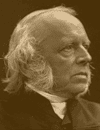 Andrew Bonar
in The Mercy Seat
Read in context
Have you ever felt God's holy justice in requiring such a sacrifice, and His holy love in providing it, not sparing His only begotten Son?
Andrew Bonar
in The Mercy Seat
Read in context
On the day of atonement, the priest in Israel who came forward to the mercy-seat, laid down nothing but sin on that blood-sprinkled lid.
Andrew Bonar
in The Mercy Seat
Read in context
The priest who thus confessed and spread out his sin, found God at that spot where the seven-times sprinkled blood lay, waiting to be gracious.
Andrew Bonar
in The Mercy Seat
Read in context
There, and there only, the Holy One can meet with the guilty, and be reconciled.
Andrew Bonar
in The Mercy Seat
Read in context
It is a very impressive thing that, right at the very centre and heart of this whole great system of the Old Testament, represented by the tabernacle, is the mercy-seat.
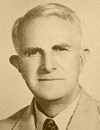 T. Austin-Sparks
in The Mercy-Seat
Read in context
The gold of the glory was there at the mercy-seat, but it was not a throne of judgment; it was a throne of grace.
T. Austin-Sparks
in The Mercy-Seat
Read in context
Jesus occupies the central place in the whole scheme of redemption, and that place is the mercy-seat.
T. Austin-Sparks
in The Mercy-Seat
Read in context
The Law apart from Christ is a terror to our guilty souls because it is a Law broken and, therefore, condemning!
 C.H. Spurgeon
in The Ark of the Covenant
Read in context
We often speak of the Mercy Seat, but do we, as often as we should, remember that Jesus Christ, Himself, is that Mercy Seat?
C.H. Spurgeon
in The Ark of the Covenant
Read in context
There is no Mercy Seat to which we can draw near in prayer except the Lord Jesus Christ, Himself, who is the Propitiation for our sins and through whom our supplications are accepted!
C.H. Spurgeon
in The Ark of the Covenant
Read in context
The victim was brought out to be slain; the blood was carried in and sprinkled on the mercy-seat.
 Charles Finney
in On the Atonement
Read in context
The mercy seat was where the blood was sprinkled on the day of atonement.
 Zac Poonen
in The Meaning of the Tabernacle
Read in context
God, then, has set forth Christ Jesus—made Him conspicuous as being the Mercy Seat, and the great hider of sin!
C.H. Spurgeon
in Christ Set Forth As A Propitiation
Read in context
God has set forth Christ to be not only an all-sufficient, but an immutable Propitiation for sin.
C.H. Spurgeon
in Christ Set Forth As A Propitiation
Read in context
It is true—it is true that the Propitiation of Christ is never more, never less; it cannot be more, it is complete; it cannot be less, for it is the same yesterday, today and forever!
C.H. Spurgeon
in Christ Set Forth As A Propitiation
Read in context
A very common mistake is to look to our sense of need as being, at least in some degree, a propitiation for sin.
C.H. Spurgeon
in Christ Set Forth As A Propitiation
Read in context
God the Father has set Christ forth to be your Propitiation!
C.H. Spurgeon
in Christ Set Forth As A Propitiation
Read in context
Sinner, God is satisfied with Christ; does He satisfy God, and will He not satisfy you?
C.H. Spurgeon
in Christ Set Forth As A Propitiation
Read in context
Whether my sin is little or it is great, whether it is fresh or old, it is the same sin, and blessed be God, it has all been atoned for through Christ the Propitiation!
C.H. Spurgeon
in Christ Set Forth As A Propitiation
Read in context
As the mercy-seat was in the tabernacle, so, an apostle informs us, Christ is set forth or exhibited as a mercy-seat through faith in his blood.
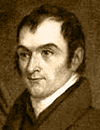 Edward Payson
in Christ's Priestly Office.
Read in context
They, and they only who come to God in Christ, will find him on a mercy-seat, or, in other words, find him ready to show mercy.
Edward Payson
in Christ's Priestly Office.
Read in context
It is a covering, a propitiation, a Mercy Seat for the Most Holy God.
C.H. Spurgeon
in The Sin Offering
Read in context
Here the great problem is solved, how God can be just and yet justify the ungodly.
 J.C. Ryle
in Justified!
Read in context
How He can be just and yet justify the ungodly is an insoluble problem apart from Jesus Christ.
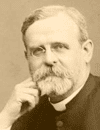 W.H. Griffith Thomas
in Justification
Read in context
In His Wisdom, whose judgment is Infallible, sin was not pardonable except through a propitiatory Sacrifice!
C.H. Spurgeon
in Love's Climax
Read in context
I have shown you wherein God's Love excels all other loves—it is love to the loveless, love to the sinful, love providing a propitiation.
C.H. Spurgeon
in Love's Climax
Read in context
You have not taken the Lord Jesus as a Priest unless you have believed in His blood as presenting a propitiation for your sins, and as cleansing you before the holy Presence of the Most High God.
C.H. Spurgeon
in Open Heart For The Great Savior
Read in context
The original Greek permits us to see that this man had an eye to the Propitiation.
C.H. Spurgeon
in A Sermon for the Worst Man on Earth
Read in context
He does not present to God his tears, his abstinence, his self-denial, his generosity to the Church, his liberality to the poor, or anything else—he simply begs the Lord to be propitiated and to be merciful to him because of the great Sacrifice.
C.H. Spurgeon
in A Sermon for the Worst Man on Earth
Read in context
The blood, the blood, the blood—it is there the propitiation lies—and to that our faith must turn our eyes.
C.H. Spurgeon
in Justification, Propitiation, Declaration
Read in context
There was your cup of wrath which you must drink forever, and which you could never drain to the bottom!
C.H. Spurgeon
in Justification, Propitiation, Declaration
Read in context
Jesus drinks it, sets the cup to His lips, and the very first drop of it makes Him sweat great drops of blood falling to the ground!
C.H. Spurgeon
in Justification, Propitiation, Declaration
Read in context
He has devoured and swallowed up all the wrath of God; there is no more remaining for us if we will believe.
T. Austin-Sparks
in The Significance of the Death of Christ
Read in context
The Mercy Seat sprinkled with blood is the chosen place of God's abode and is His throne of grace.
 Andrew Murray
in Cleansed by the Blood to Serve the Living God or Intercourse Through the Blood
Read in context
The blood is on the mercy-seat; and while it is there you can be saved.
 D.L. Moody
in What Must I Do to Be Saved?
Read in context
The propitiation of the cross is the substance of the glad tidings which we bring.
 Horatius Bonar
in Rev. 11:8. the Cross of the Lord Jesus
Read in context
What Scripture says
- 1 John 4:10 God loved us and sent His Son as the atoning sacrifice for our sins
- Romans 3:25 God presented Him as the atoning sacrifice through faith in His blood
- Romans 3:26 just, and the justifier of the one who has faith in Jesus
- 1 John 2:2 He Himself is the atoning sacrifice for our sins
- Hebrews 2:17 a merciful and faithful high priest, to make atonement for the sins of the people
- Luke 18:13 God, have mercy on me, a sinner
- Exodus 25:22 I will meet with you there above the mercy seat
- Leviticus 16:15 the blood sprinkled against the mercy seat and in front of it
- Romans 5:9 justified by His blood, saved from wrath through Him
- Hebrews 4:16 approach the throne of grace with confidence
How this page is made: the quotes are taken word for word from sermons on SermonIndex and checked against them by program before the page is published. The transcripts of audio and video sermons are machine-made, so follow the link to hear the words as they were spoken. The answer above the quotes is an overview with its sources listed; it is not a statement of doctrine by SermonIndex.