
The preachers quoted here follow James in saying that the tongue is small but powerful, that it shows the heart, and that an unbridled tongue makes religion worthless. They name its sins, among them lying, slander, anger, complaining and idle talk, say that only grace can tame it, and describe the speech that praises God and builds others up.
The Bible says that the tongue is small but has great power for good or harm, that it shows what is in the heart, and that God will judge every word. Solomon wrote, "Life and death are in the power of the tongue, and those who love it will eat its fruit." (Proverbs 18:21). Scripture returns to the subject often. Alexander Whyte observed, "The sins of the tongue take up a much larger space in the Bible than we would believe till we have begun to suffer from other men's tongues and especially from our own."1 Charles Finney said, "The Bible represents the government of the tongue not only as indispensable to true religion, but as its most difficult duty."2
A small member with great power
James gives the fullest teaching. He compares the tongue to the bit in a horse's mouth, the rudder of a ship and a spark in a forest. "In the same way, the tongue is a small part of the body, but it boasts of great things. Consider how small a spark sets a great forest ablaze. The tongue also is a fire, a world of wickedness among the parts of the body. It pollutes the whole person, sets the course of his life on fire, and is itself set on fire by hell." (James 3:5-6). Spurgeon used the same picture: "He who can manage his tongue can manage his whole body, for the tongue is the rudder of the ship."3 Thomas Manton wrote, "The evils of the tongue are of a large and universal influence, diffuse themselves into all conditions and states of life."4 Matthew Henry, commenting on the passage, wrote, "The affairs of mankind are thrown into confusion by the tongues of men."5 A few words can end a friendship, divide a church or ruin a name. This is why Scripture treats speech as a serious matter and never as a small one.
The tongue shows the heart
Jesus taught that words come from within. "The good man brings good things out of the good treasure of his heart, and the evil man brings evil things out of the evil treasure of his heart. For out of the overflow of the heart, the mouth speaks." (Luke 6:45). Leonard Ravenhill said, "The heart is the factory that produces all these vile things, and the tongue is the showcase of the heart."6 George Lawson wrote, "The communication between the heart and the tongue is so easy, that the one will certainly discover the quality of the other, for out of the abundance of the heart, the mouth speaks."7 Thomas Brooks put the other side of it: "A holy heart and a holy tongue are inseparable companions; if there be grace in the heart, there will be grace in the lips; if the heart be pure, the language will be pure."8 Zac Poonen said, "True Christianity is tested in the way we use our tongue."9 The tongue cannot be treated on its own. What a person says when he is hurried, angry or unguarded shows what he is.
A test of true religion
James makes speech a test of whether a person's faith is real. "If anyone considers himself religious and yet does not bridle his tongue, he deceives his heart and his religion is worthless." (James 1:26). Henry commented, "The not bridling the tongue, readiness to speak of the faults of others, or to lessen their wisdom and piety, are signs of a vain religion."10 J.N. Darby wrote, "The appearance of religion is vain if the tongue be not bridled; such a man deceives his own heart."11 Manton said, "To be able to bridle the tongue is an argument of some growth and happy progress in grace."12 He also wrote, "The evils of the tongue, where they are not restrained, cannot consist with true piety."13 A person may attend every meeting and know much doctrine. If his tongue is unbridled, James says that his religion is worth nothing.
Every word will be judged
Jesus said, "men will give an account on the day of judgment for every careless word they have spoken. For by your words you will be acquitted, and by your words you will be condemned." (Matthew 12:36-37). J.R. Miller wrote, "Our Lord said we must give account of every idle word; and, if accountable for the idle words, how much more for the words that stain and injure, or fall as a destructive blight into other hearts and lives!"14 Words cannot be recalled once they are spoken. Spurgeon said, "You cannot call back the words which now cause you to bite your tongue with regret."15 The Lord hears all that is said, in public and in private, and nothing is forgotten by Him.
Lying
God requires truth. The ninth commandment says, "You shall not bear false witness against your neighbor." (Exodus 20:16). Solomon wrote, "Lying lips are detestable to the LORD, but those who deal faithfully are His delight." (Proverbs 12:22). Paul told the church, "Therefore each of you must put off falsehood and speak truthfully to his neighbor, for we are all members of one another." (Ephesians 4:25). Lawson wrote, "A lying tongue is abhorred by men, because it tends to the dissolution of society."16 Samuel Logan Brengle applied the commandment to a neighbour's name: "A man's reputation and character are sacred in the sight of God, and just as He forbids one man to rob another of his property, or take his life, so He forbids him to lie about another, or rob him of his good name."17 A lying tongue stands second in the list of things the Lord hates in Proverbs 6.
Slander and gossip
The law forbids talebearing. "You must not go about spreading slander among your people." (Leviticus 19:16). James repeats the command: "Brothers, do not slander one another." (James 4:11). Solomon describes the result: "A perverse man spreads dissension, and a gossip divides close friends." (Proverbs 16:28). Thomas Watson wrote, "The slanderer's tongue is a two-edged sword, it wounds two at once; while the slanderer wounds another in his name, he wounds himself in his conscience."18 R.A. Torrey said, "The gossip, the slanderer, is viler than the vilest thief that walks your streets."19 Whyte wrote, "Backbiting, again, would seem at first sight to be a sin of the teeth rather than of the tongue, only, no sharpest tooth can tear you when your back is turned like your neighbour's evil tongue."20 H.A. Ironside wrote, "The talebearer, who, by spreading abroad evil insinuations and accusations, mars that happy unity, is abhorred of the Lord."21 Brengle counted it evil-speaking even when what is said is true: "It is evil to retail the faults and infirmities of others."17 He named one of its effects: "The Holy Spirit leads us to pray for all men, especially for those who are faulty and sinful, but evil-speaking quenches the spirit of prayer as water quenches fire."17 Manton gave a reason for holding back: "It is a dissuasive from slandering and evil-speaking of others, to consider they are made after God's image."22 Henry wrote, "The man who has a slandering tongue, cannot have a truly humble, gracious heart."23 The remedy is simple. "Without wood, a fire goes out; without gossip, a conflict ceases." (Proverbs 26:20).
Angry and cruel words
Solomon wrote, "Speaking rashly is like a piercing sword, but the tongue of the wise brings healing." (Proverbs 12:18). Watson described two kinds of evil tongue. Of the first he wrote, "The evil tongue is the hasty or angry tongue; it has no command of passions, but is carried away with them, as a chariot with wild horses."18 Of the second he wrote, "The evil tongue is the cruel tongue, which speaks to the wounding of the hearts of others."18 Brooks said, "The tongue is often like a sharp razor, that, instead of shaving the hair, cuts the throat."24 The harm falls on the speaker as well as the hearer. A.B. Simpson said of unkind speech, "The worst of all is its dreadful influence on your own heart, the reflex action of unkindness, harshness, and the loss of gentleness and victory."25 Manton warned, "A tongue that is set on fire from hell shall be set on fire in hell."26 Scripture gives the better way: "A gentle answer turns away wrath, but a harsh word stirs up anger." (Proverbs 15:1). Miller wrote, "The Christian way is either not to speak at all, or to give the soft answer that turns away wrath."27
Complaining
Murmuring is a sin of the tongue against God. Paul commands, "Do everything without complaining or arguing," (Philippians 2:14). Watson wrote, "The tongue is the organ of praise; it is a pity the organs are so often out of tune in murmuring and complaining."28 Spurgeon wrote, "Every time the sheep bleats it loses a mouthful, and every time we complain we miss a blessing."29 The tongue that was made to give thanks is misused when it finds fault with the providence of God.
Idle and unclean talk
Paul writes, "Nor should there be obscenity, foolish talk, or crude joking, which are out of character, but rather thanksgiving." (Ephesians 5:4). Solomon warns against much talking: "When words are many, sin is unavoidable, but he who restrains his lips is wise." (Proverbs 10:19). Finney said, "The man who speaks without consideration and without thinking, speaks idly and at random."2 Lawson wrote, "An unrestrained tongue is an evidence of levity, or of some worse quality in the heart."30 Spurgeon said, "The time is short; we cannot afford to lose it in senseless talk, idle gossip, or domestic scandals."31 The third commandment guards the name of God on our lips. "You shall not take the name of the LORD your God in vain, for the LORD will not leave anyone unpunished who takes His name in vain." (Exodus 20:7). Miller wrote, "We need to guard against every form of profanity in our speech, however veiled it may be."32
Blessing and cursing from one mouth
James points to an inconsistency. "With the tongue we bless our Lord and Father, and with it we curse men, who have been made in God's likeness. Out of the same mouth come blessing and cursing. My brothers, this should not be!" (James 3:9-10). Manton commented, "The same tongue should not bless God and curse men, it is hypocrisy."33 A person may sing praise to God in the meeting and speak bitterly of a brother on the way home. James says that a spring does not pour out fresh water and salt water from the same opening. Praise that is followed by cursing is called in question by it.
No man can tame it
James says plainly that the tongue is beyond human control. "All kinds of animals, birds, reptiles, and creatures of the sea are being tamed and have been tamed by man, but no man can tame the tongue. It is a restless evil, full of deadly poison." (James 3:7-8). Henry wrote, "No man can tame the tongue without Divine grace and assistance."34 What man cannot do, grace does. Miller wrote, "The tongue which no man can tame -- Christ can tame, so that, instead of bitterness, it shall give out only love."35 Ravenhill said, "Surely one of the most amazing things about the transforming grace of God is that man loses his filthy language, lying tongue, and unholy anger when he gets saved."6 Watson explained how the change comes: "Grace is like the salt cast into the spring; grace changes the heart, and sanctifies all the members of the body--it sanctifies the eyes and makes them chaste--it sanctifies the tongue, and makes it holy and calm."18 The cure begins in the heart, because that is where the words begin.
Setting a watch
The believer is to guard his mouth and to ask God to guard it. David prayed, "Set a guard, O LORD, over my mouth; keep watch at the door of my lips." (Psalm 141:3). Miller wrote, "We need to pray continually that God would keep the door of our lips, and set a watch before our mouth."36 Henry said, "When the spirit is heated with dispute or with discontent, we have need to set a watch before our lips."37 Simpson said of the tongue given over to God, "It is to be under guard, and to recognize itself as a soldier that waits for orders."25 Finney wrote, "To bridle the tongue then is to so check and rein it in, and control it, as that its use shall be wholly conformed to the law of God."2 James tells us to be slow. "Everyone should be quick to listen, slow to speak, and slow to anger" (James 1:19). Watson wrote, "God has given us two ears—but one tongue, to show that we should be swift to hear—but slow to speak."38 Solomon gives the promise: "He who guards his mouth and tongue keeps his soul from distress." (Proverbs 21:23). He adds, "A man of knowledge restrains his words, and a man of understanding maintains a calm spirit." (Proverbs 17:27).
What the tongue is for
Speech is a gift from God and was given for good ends. Miller wrote, "The faculty of speech is bestowed upon us, not merely as an ornament -- but primarily as an instrument with which to do good."39 Richard Baxter said, "Use therefore your tongues to those noble ends for which they were given you."40 He named the highest subject: "There is no subject so sublime and honourable for the tongue of man to be employed about, as the matters of God, and life eternal."41 Henry Law wrote of the tongue of the man who loves God, "The tongue, which is man's glory, as his distinction from the brute creation, will be consecrated to Him."42 David said, "Then my tongue will proclaim Your righteousness and Your praises all day long." (Psalm 35:28). The writer to the Hebrews calls praise a sacrifice: "Through Jesus, therefore, let us continually offer to God a sacrifice of praise, the fruit of lips that confess His name." (Hebrews 13:15). David prayed, "O Lord, open my lips, and my mouth will declare Your praise." (Psalm 51:15).
Words that build up
Paul sets a rule for all Christian speech. "Let no unwholesome talk come out of your mouths, but only what is helpful for building up the one in need and bringing grace to those who listen." (Ephesians 4:29). Miller commented, "The Christian's speech should always edify, and give grace; yet on how many lips, now garrulous with flippant words, would this test lay the finger of silence!"14 Andrew Murray, writing on this verse, said, "The sanctified tongue is a blessing not only to his neighbour, but to the speaker himself."43 Of brotherly love he wrote, "The law of kindness is on the tongue, for love has vowed that never shall one unkind word cross its lips."44 Henry said of the virtuous woman of Proverbs 31, "The law of love and kindness is written in the heart, and shows itself in the tongue."45 Paul writes, "Let your speech always be gracious, seasoned with salt, so that you may know how to answer everyone." (Colossians 4:6). Solomon wrote, "A soothing tongue is a tree of life, but a perverse tongue crushes the spirit." (Proverbs 15:4). And again, "A word fitly spoken is like apples of gold in settings of silver." (Proverbs 25:11).
The example of Christ
The Lord Jesus is the pattern. Isaiah says of the Servant, "The Lord GOD has given Me the tongue of discipleship, to sustain the weary with a word." (Isaiah 50:4). Peter writes of His silence under insult: "When they heaped abuse on Him, He did not retaliate; when He suffered, He made no threats, but entrusted Himself to Him who judges justly." (1 Peter 2:23). Whyte wrote, "Let us set a watch on the door of our lips as He did, as often as we are tempted to speak."46
Beginning with the heart
Since the mouth speaks from the heart, the heart must be dealt with first. Baxter wrote, "The most necessary direction for a fruitful tongue is to get a well-furnished mind, and a holy heart, and to walk with God in holiness yourselves: for out of the abundance of the heart the mouth will speak."47 The lesson is to be taught at home. Finney said, "The necessity of governing the tongue should be constantly inculcated in every family."2 David's prayer joins the two together: "May the words of my mouth and the meditation of my heart be pleasing in Your sight, O LORD, my Rock and my Redeemer." (Psalm 19:14).
- Alexander Whyte, Bunyan Characters, "Talkative".
- Charles Finney, "Governing the Tongue" (sermon).
- C.H. Spurgeon, "The Great Change" (sermon).
- Thomas Manton, The Complete Works of Thomas Manton, D.D. Vol. IV, "CHAPTER III: VER. 1. My brethren, be not many masters, knowing that...".
- Matthew Henry , Matthew Henrys Concise Commentary On The Bible, "James Chapter 3".
- Leonard Ravenhill, "The Taming of the Tongue" (sermon).
- George Lawson, Writings of George Lawson, "Proverbs 11".
- Thomas Brooks, Writings of Thomas Brooks, "Volume 4".
- Zac Poonen, "The Tongue and the Heart" (sermon).
- Matthew Henry , Matthew Henrys Concise Commentary On The Bible, "James Chapter 1".
- J.N. Darby, Collected Writings of J.N. Darby Expository 7, "Brief Exposition of James".
- Thomas Manton, The Complete Works of Thomas Manton, D.D. Vol. IV, "CHAPTER III: VER. 1. My brethren, be not many masters, knowing that...".
- Thomas Manton, The Complete Works of Thomas Manton, D.D. Vol. IV, "CHAPTER III: VER. 1. My brethren, be not many masters, knowing that...".
- J.R. Miller, "The Power of the Tongue" (sermon).
- C.H. Spurgeon, "Peter's Blunder—a Lesson for Ourselves" (sermon).
- George Lawson, Writings of George Lawson, "Proverbs 6".
- Samuel Logan Brengle, "Evil-Speaking" (sermon).
- Thomas Watson, "The Evil Tongue" (sermon).
- R.A. Torrey, "Found Wanting" (sermon).
- Alexander Whyte, Bunyan Characters, "Talkative".
- H.A. Ironside, Proverbs and Song of Solomon, "Proverbs Six".
- Thomas Manton, The Complete Works of Thomas Manton, D.D. Vol. IV, "CHAPTER III: VER. 1. My brethren, be not many masters, knowing that...".
- Matthew Henry , Matthew Henrys Concise Commentary On The Bible, "James Chapter 1".
- Thomas Brooks, "What Is in the Well, Will Be in the Bucket" (sermon).
- A.B. Simpson, "James Chapter 5 the Practical Use of the Tongue" (sermon).
- Thomas Manton, The Complete Works of Thomas Manton, D.D. Vol. IV, "CHAPTER III: VER. 1. My brethren, be not many masters, knowing that...".
- James R. Miller, Writings of James R Miller - Volume 1, "Volume 2".
- Thomas Watson, "The Loveliness of Christ" (sermon).
- C.H. Spurgeon, John Ploughman's Talks, "Chapter 5: On Patience".
- George Lawson, Writings of George Lawson, "Proverbs 11".
- C.H. Spurgeon, Trumpet Calls to Christian Energy, "Brief Life is Here Our Portion".
- James R. Miller, Writings of James R Miller - Volume 1, "Volume 6".
- Thomas Manton, The Complete Works of Thomas Manton, D.D. Vol. IV, "CHAPTER III: VER. 1. My brethren, be not many masters, knowing that...".
- Matthew Henry , Matthew Henrys Concise Commentary On The Bible, "James Chapter 3".
- J.R. Miller, "On the Control of Temper" (sermon).
- J.R. Miller, "In Green Pastures - October, November, December" (sermon).
- Matthew Henry , Matthew Henrys Concise Commentary On The Bible, "Job Chapter 9".
- Thomas Watson, Body of Practical Divinity, "God and His Creation Part 4".
- J.R. Miller, "The Misuse of the Gift of Speech" (sermon).
- Richard Baxter, Writings of Richard Baxter, "S. Special Directions for Christian Conference, Exhortation, and...".
- Richard Baxter, Writings of Richard Baxter, "S. Special Directions for Christian Conference, Exhortation, and...".
- Henry Law, "Psalm 108" (sermon).
- Andrew Murray, "Grieving the Spirit" (sermon).
- Andrew Murray, "And in Love to the Brethren" (sermon).
- Matthew Henry , Matthew Henrys Concise Commentary On The Bible, "Proverbs Chapter 31".
- Alexander Whyte, The Walk, Conversation and Character of Jesus Christ our Lord, "Jesus of Nazareth Went About Doing Good".
- Richard Baxter, Writings of Richard Baxter, "S. Special Directions for Christian Conference, Exhortation, and...".
In their own words
Each line below is quoted exactly from a sermon on this site. Follow the link to hear or read it where it was said.
The Bible represents the government of the tongue not only as indispensable to true religion, but as its most difficult duty.
 Charles Finney
in Governing the Tongue
Read in context
The man who speaks without consideration and without thinking, speaks idly and at random.
Charles Finney
in Governing the Tongue
Read in context
To bridle the tongue then is to so check and rein it in, and control it, as that its use shall be wholly conformed to the law of God.
Charles Finney
in Governing the Tongue
Read in context
The necessity of governing the tongue should be constantly inculcated in every family.
Charles Finney
in Governing the Tongue
Read in context
He who can manage his tongue can manage his whole body, for the tongue is the rudder of the ship.
 C.H. Spurgeon
in The Great Change
Read in context
The heart is the factory that produces all these vile things, and the tongue is the showcase of the heart.
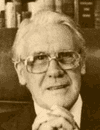 Leonard Ravenhill
in The Taming of the Tongue
Read in context
Surely one of the most amazing things about the transforming grace of God is that man loses his filthy language, lying tongue, and unholy anger when he gets saved.
Leonard Ravenhill
in The Taming of the Tongue
Read in context
True Christianity is tested in the way we use our tongue.
 Zac Poonen
in The Tongue and the Heart
Listen at 11:14
Our Lord said we must give account of every idle word; and, if accountable for the idle words, how much more for the words that stain and injure, or fall as a destructive blight into other hearts and lives!
 J.R. Miller
in The Power of the Tongue
Read in context
The Christian's speech should always edify, and give grace; yet on how many lips, now garrulous with flippant words, would this test lay the finger of silence!
J.R. Miller
in The Power of the Tongue
Read in context
You cannot call back the words which now cause you to bite your tongue with regret.
C.H. Spurgeon
in Peter's Blunder—a Lesson for Ourselves
Read in context
A man's reputation and character are sacred in the sight of God, and just as He forbids one man to rob another of his property, or take his life, so He forbids him to lie about another, or rob him of his good name.
 Samuel Logan Brengle
in Evil-Speaking
Read in context
It is evil to retail the faults and infirmities of others.
Samuel Logan Brengle
in Evil-Speaking
Read in context
The Holy Spirit leads us to pray for all men, especially for those who are faulty and sinful, but evil-speaking quenches the spirit of prayer as water quenches fire.
Samuel Logan Brengle
in Evil-Speaking
Read in context
The slanderer's tongue is a two-edged sword, it wounds two at once; while the slanderer wounds another in his name, he wounds himself in his conscience.
 Thomas Watson
in The Evil Tongue
Read in context
The evil tongue is the hasty or angry tongue; it has no command of passions, but is carried away with them, as a chariot with wild horses.
Thomas Watson
in The Evil Tongue
Read in context
The evil tongue is the cruel tongue, which speaks to the wounding of the hearts of others.
Thomas Watson
in The Evil Tongue
Read in context
Grace is like the salt cast into the spring; grace changes the heart, and sanctifies all the members of the body--it sanctifies the eyes and makes them chaste--it sanctifies the tongue, and makes it holy and calm.
Thomas Watson
in The Evil Tongue
Read in context
The gossip, the slanderer, is viler than the vilest thief that walks your streets.
 R.A. Torrey
in Found Wanting
Read in context
The tongue is often like a sharp razor, that, instead of shaving the hair, cuts the throat.
 Thomas Brooks
in What Is in the Well, Will Be in the Bucket
Read in context
The worst of all is its dreadful influence on your own heart, the reflex action of unkindness, harshness, and the loss of gentleness and victory.
 A.B. Simpson
in James Chapter 5 the Practical Use of the Tongue
Read in context
It is to be under guard, and to recognize itself as a soldier that waits for orders.
A.B. Simpson
in James Chapter 5 the Practical Use of the Tongue
Read in context
The tongue is the organ of praise; it is a pity the organs are so often out of tune in murmuring and complaining.
Thomas Watson
in The Loveliness of Christ
Read in context
The tongue which no man can tame -- Christ can tame, so that, instead of bitterness, it shall give out only love.
J.R. Miller
in On the Control of Temper.
Read in context
We need to pray continually that God would keep the door of our lips, and set a watch before our mouth.
J.R. Miller
in In Green Pastures - October, November, December
Read in context
The faculty of speech is bestowed upon us, not merely as an ornament -- but primarily as an instrument with which to do good.
J.R. Miller
in The Misuse of the Gift of Speech
Read in context
The tongue, which is man's glory, as his distinction from the brute creation, will be consecrated to Him.
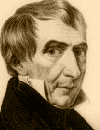 Henry Law
in Psalm 108
Read in context
The sanctified tongue is a blessing not only to his neighbour, but to the speaker himself.
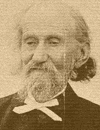 Andrew Murray
in Grieving the Spirit
Read in context
The law of kindness is on the tongue, for love has vowed that never shall one unkind word cross its lips.
Andrew Murray
in And in Love to the Brethren.
Read in context
What Scripture says
- James 3:5-6 the tongue is a small part of the body, and a fire
- James 3:7-8 no man can tame the tongue
- James 1:26 religion without a bridled tongue is worthless
- Proverbs 18:21 life and death are in the power of the tongue
- Luke 6:45 out of the overflow of the heart the mouth speaks
- Matthew 12:36-37 an account for every careless word
- Ephesians 4:29 only what is helpful for building up
- Psalm 141:3 set a guard over my mouth
- Proverbs 15:1 a gentle answer turns away wrath
- Colossians 4:6 speech gracious, seasoned with salt
- Psalm 19:14 the words of my mouth and the meditation of my heart
How this page is made: the quotes are taken word for word from sermons on SermonIndex and checked against them by program before the page is published. The transcripts of audio and video sermons are machine-made, so follow the link to hear the words as they were spoken. The answer above the quotes is an overview with its sources listed; it is not a statement of doctrine by SermonIndex.