
The preachers quoted here call trust faith in full flower: firm belief that rests on God himself more than on any single promise. They say it is the most rational thing a person can do, that it is not passive resignation, and that it involves submissive, patient waiting for God's answer.
"Trust in the LORD with all thine heart; and lean not unto thine own understanding. In all thy ways acknowledge him, and he shall direct thy paths" (Proverbs 3:5-6). The usual Hebrew verb means to feel safe, to be confident.1 Trust is reliance: putting one's weight on God.
It rests on who God is. "They that know thy name will put their trust in thee: for thou, LORD, hast not forsaken them that seek thee" (Psalm 9:10). The Reformers taught that saving faith includes knowledge and assent but is completed in trust; the Heidelberg Catechism says true faith is not only knowledge but also "an assured confidence" that the gospel's promises are for me.2
Scripture sets it against other objects of reliance. "Some trust in chariots, and some in horses: but we will remember the name of the LORD our God" (Psalm 20:7). "It is better to trust in the LORD than to put confidence in man" (118:8). Jeremiah draws the line sharply: "Cursed be the man that trusteth in man ... Blessed is the man that trusteth in the LORD, and whose hope the LORD is" (Jeremiah 17:5, 7). Paul says his worst troubles came "that we should not trust in ourselves, but in God which raiseth the dead" (2 Corinthians 1:9).
Trust is exercised in fear, not in its absence. "What time I am afraid, I will trust in thee" (Psalm 56:3). It holds when the outcome is unknown. Job said, "Though he slay me, yet will I trust in him" (Job 13:15). The three young men told the king that God was able to deliver them, "But if not", they would still not bow (Daniel 3:17-18).
It is active. "Trust in the LORD, and do good" (Psalm 37:3). "Commit thy way unto the LORD; trust also in him; and he shall bring it to pass" (37:5). "Trust in him at all times; ye people, pour out your heart before him" (62:8). E. M. Bounds wrote that "trust is firm belief, it is faith in full flower."3
Its fruit is peace: "Thou wilt keep him in perfect peace, whose mind is stayed on thee: because he trusteth in thee. Trust ye in the LORD for ever: for in the LORD JEHOVAH is everlasting strength" (Isaiah 26:3-4).
- Strong's Hebrew 982, bâṭach: "figuratively, to trust, be confident or sure".
- Various, The Heidelberg Catechism, "Question 21 What is true faith?".
- E.M. Bounds, "Prayer and Trust" (sermon).
In their own words
Each line below is quoted exactly from a sermon on this site. Follow the link to hear or read it where it was said.
But trust is firm belief, it is faith in full flower.
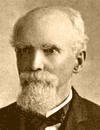 E.M. Bounds
in Prayer and Trust
Read in context
Trust is always based on God's promise, and it is not trusting in a promise as much as it is in God.
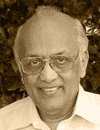 Zac Poonen
in Hearing, Trusting and Worshipping
Listen at 29:27
To trust God is the most sensible, sane, rational thing that a man can do.
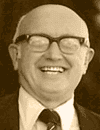 William MacDonald
in Faith
Read in context
Trust is something vastly different from passive resignation.
 David Wilkerson
in A Perfect Heart Is Trusting
Read in context
Trust is faith become absolute, ratified, consummated.
E.M. Bounds
in Prayer and Trust
Read in context
Trusting God is impossible, without a submissive, patient, waiting on God for the answer.
David Wilkerson
in Trusting God Is Not an Option
Listen at 37:25
What Scripture says
- Proverbs 3:5-6 trust in the LORD with all your heart
- Psalm 56:3 what time I am afraid, I will trust in you
- Jeremiah 17:7 blessed is the man that trusts in the LORD
- Job 13:15 though he slay me, yet will I trust in him
- Isaiah 26:3-4 trust in the LORD for ever
How this page is made: the quotes are taken word for word from sermons on SermonIndex and checked against them by program before the page is published. The transcripts of audio and video sermons are machine-made, so follow the link to hear the words as they were spoken. The answer above the quotes is an overview with its sources listed; it is not a statement of doctrine by SermonIndex.