
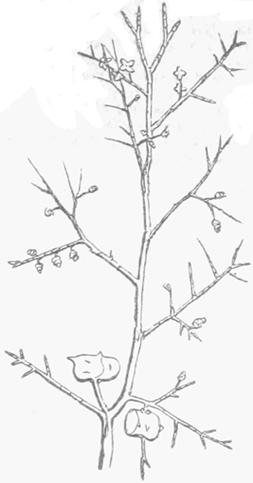
Fig. 331—Thyine Wood: Callitris quadrivalvis
Thyine Wood is mentioned as one of the articles of merchandise which would cease to be purchased in consequence of the fall of Babylon (Rev 18:12). This wood was in considerable demand by the Romans, being much employed by them in the ornamental wood-work of their villas, and also for tables, bowls, and vessels of different kinds. It is noticed by most ancient authors, from the time of Theophrastus. It was the citron-wood of the Romans, and was produced only in Africa, in the neighborhood of Mount Atlas, and in Granada. It grew to a great size.
This cedar or citron-wood was most likely produced by Callitris quadrivalvis, the Thuja articulata of Linnaeus, which is a native of Mount Atlas, and of other uncultivated hills on the coast of Africa.
Jer 18:12, the wood of the Thyia or Thuja Articulata of Linnaeus, an aromatic evergreen tree, resembling the cedar, and found in Libya, near Mount Atlas. The wood was used in burning incense, and under the name of citron-wood was highly prized by the Romans for ornamental wood-work. It yields the sanderach resin of commerce.\par
Thyine Wood. Thyine Wood occurs in Rev 18:12, where the margin has "sweet" (wood). There can be little doubt that the wood here spoken of is that of the Thuya articulata, Desfont, the Callitris quadrivalvis of present botanists. It is a cone bearing tree, and allied to the pine. This tree was much prized by Greeks and Romans, on account of the beauty of its wood, for various ornamental purposes. By the Romans, the tree was called citrus, and the wood was called citrum. It is a native of Barbary, and grows to the height of 15 to 25 feet.
Rev 18:12,
Thyine-wood. A kind of cedar growing in Spain, and on the coast of Africa. It was the Citrum or citron-wood of the Romans, the Thuja articulata of Linnæus. It was frequently employed to give fragrance to sacrifices. Rev 18:12, margin, sweet. The tree grows to the height of 30 feet, or even more, and resembles the cypress in its boughs, leaves, and fruit.
The Greek word is
THYINE WOOD (Rev 18:12) is the citrus wood of the Romans, used for the manufacture of costly furniture. The tree Thuia articulata, in appearance like a cypress, about 25 feet high, was the source of this wood.
E. W. G. Masterman.
(îýëïí èýúíïí, the tree being ἡ èõßá or èýá, rarely ôὸ èýïí)
Thyine wood is mentioned among the precious wares of the Apocalyptic Babylon, i.e. Rome (Rev_18:12). It was a hard, dark brown, aromatic wood, exported from N. Africa and used for the making of costly furniture (Theophrastus, Hist. Plant. v. iii. 7; Diod. v. 46; Pliny, Historia Naturalis (Pliny) XIII. xxx. 16). It is commonly identified with the Thuia articulata. The Greek name (probably from èýù) refers to the fragrance of the wood, which was burned as a perfume (Hom. Od. v. 60). The Romans called it citrus-probably a mutilation of cedrus-which must not be confounded with the citron. ‘All thyine wood’ refers, not to different species of the tree, but to the variety of objects made of this precious wood in the luxurious Imperial city.
James Strahan.