
1 Timothy 3
BSB1 This is a trustworthy saying: If anyone aspires to be an overseer, he desires a noble task. 2 An overseer, then, must be above reproach, the husband of but one wife, temperate, self-controlled, respectable, hospitable, able to teach, 3 not dependent on wine, not violent but gentle, peaceable, and free of the love of money. 4 An overseer must manage his own household well and keep his children under control, with complete dignity. 5 For if someone does not know how to manage his own household, how can he care for the church of God? 6 He must not be a recent convert, or he may become conceited and fall under the same condemnation as the devil. 7 Furthermore, he must have a good reputation with outsiders, so that he will not fall into disgrace and into the snare of the devil. 8 Deacons likewise must be dignified, not double-tongued or given to much wine or greedy for money. 9 They must hold to the mystery of the faith with a clear conscience. 10 Additionally, they must first be tested. Then, if they are above reproach, let them serve as deacons. 11 In the same way, the women must be dignified, not slanderers, but temperate and faithful in all things. 12 A deacon must be the husband of but one wife, a good manager of his children and of his own household. 13 For those who have served well as deacons acquire for themselves a high standing and great confidence in the faith that is in Christ Jesus. 14 Although I hope to come to you soon, I am writing you these things 15 in case I am delayed, so that you will know how each one must conduct himself in God’s household, which is the church of the living God, the pillar and foundation of the truth. 16 By common confession, the mystery of godliness is great: He appeared in the flesh, was vindicated by the Spirit, was seen by angels, was proclaimed among the nations, was believed in throughout the world, was taken up in glory.
Study Notes — 1 Timothy 3
- Chapter Summary
- Context for the Chapter
- Heart Application
- What Does This Chapter Mean?
- Voices from the Church
- Outline for Preaching
- Core Doctrines
- Lessons from 1 Timothy 3
- Themes from 1 Timothy 3
- Questions for Meditation
- Detailed Chapter Outline
- Frequently Asked Questions
- Top Cross References
- Sermons on 1 Timothy 3
- Matthew Henry Commentary
- What Do You Notice?
Chapter Summary
In 1 Timothy 3, the Apostle Paul outlines the qualifications for overseers (also known as elders or bishops) and deacons in the church. He begins by stating that anyone who aspires to the office of overseer desires a noble task (1 Timothy 3:1). The qualifications for overseers include being above reproach, the husband of one wife, temperate, self-controlled, respectable, hospitable, able to teach, not given to drunkenness, and not violent or quarrelsome (1 Timothy 3:2-3). Similarly, deacons must be dignified, not double-tongued, not indulging in much wine, and not pursuing dishonest gain (1 Timothy 3:8-10). The chapter concludes with a statement about the importance of the church as the household of God and the pillar and foundation of the truth (1 Timothy 3:15).
Context for the Chapter
This chapter is part of the Apostle Paul's first letter to Timothy, which was written to provide guidance and instruction for the young pastor as he ministered in the church at Ephesus. The chapter is situated within the larger context of the letter, which emphasizes the importance of sound doctrine, moral integrity, and effective leadership in the church. The chapter also reflects the cultural and historical context of the early Christian church, which was facing challenges from false teachers and immoral influences.
Heart Application
As we read this chapter, we are reminded of the importance of moral integrity, spiritual maturity, and a good reputation in our own lives. We are called to be exemplary models of Christian character, demonstrating the values and principles of Christ in our personal and public lives. We are also encouraged to support and pray for our church leaders, recognizing the importance of their role in guiding and serving the community of believers.
What Does This Chapter Mean?
This chapter is about the qualities and characteristics that church leaders should have. They should be morally upright, spiritually mature, and have a good reputation in the community. The chapter also talks about the importance of the church as a place of worship and service. As we read this chapter, we are reminded of the importance of living a life that honors God and reflects the values of Christ (1 Timothy 3:1-7, 15).
Voices from the Church
“The church is the pillar and foundation of the truth, and it is the duty of its leaders to uphold and defend the faith.”
— John Calvin
“The minister who is not a man of prayer is not a man of God, and he who is not a man of God is not a minister of God.”
— Charles Spurgeon
Outline for Preaching
- Introduction to Church Leadership (1 Timothy 3:1) — The chapter begins by introducing the theme of church leadership and the importance of having qualified and dedicated individuals serving in this role.
- Qualifications for Overseers (1 Timothy 3:2-7) — The chapter outlines the necessary qualifications for overseers, including being above reproach, the husband of one wife, and able to teach.
- Qualifications for Deacons (1 Timothy 3:8-13) — The chapter also outlines the qualifications for deacons, including being dignified, not double-tongued, and not indulging in much wine.
- The Importance of the Church (1 Timothy 3:14-15) — The chapter concludes by emphasizing the importance of the church as the household of God and the pillar and foundation of the truth.
- Conclusion (1 Timothy 3:16) — The chapter ends with a statement about the mystery of godliness, which is a reference to the person and work of Christ.
Core Doctrines
- The Importance of Church Leadership
- This chapter teaches that church leaders play a crucial role in guiding and serving the community of believers, and that they must be qualified and dedicated individuals.
- The Qualifications for Church Leaders
- The chapter outlines specific qualifications for overseers and deacons, including moral integrity, spiritual maturity, and the ability to teach.
- The Role of the Church in the Community
- The chapter emphasizes the importance of the church as a place of worship, service, and spiritual growth, and highlights its responsibility to be a positive influence in the community.
- The Mystery of Godliness
- The chapter concludes by referencing the mystery of godliness, which is a doctrine that emphasizes the importance of Christ's person and work in the life of the believer.
Lessons from 1 Timothy 3
- The Importance of Moral Integrity — This chapter teaches that moral integrity is essential for church leaders, and that it is a key characteristic of Christian character.
- The Role of the Church in the Community — The chapter emphasizes the importance of the church as a place of worship, service, and spiritual growth, and highlights its responsibility to be a positive influence in the community.
- The Qualifications for Church Leaders — The chapter outlines specific qualifications for overseers and deacons, including moral integrity, spiritual maturity, and the ability to teach.
- The Mystery of Godliness — The chapter concludes by referencing the mystery of godliness, which is a doctrine that emphasizes the importance of Christ's person and work in the life of the believer.
- The Importance of Supporting Church Leaders — The chapter encourages us to support and pray for our church leaders, recognizing the importance of their role in guiding and serving the community of believers.
Themes from 1 Timothy 3
- Church Leadership — This chapter emphasizes the importance of qualified and dedicated church leaders, and outlines specific qualifications for overseers and deacons.
- Moral Integrity — The chapter teaches that moral integrity is essential for church leaders, and that it is a key characteristic of Christian character.
- The Role of the Church — The chapter emphasizes the importance of the church as a place of worship, service, and spiritual growth, and highlights its responsibility to be a positive influence in the community.
- The Mystery of Godliness — The chapter concludes by referencing the mystery of godliness, which is a doctrine that emphasizes the importance of Christ's person and work in the life of the believer.
- Supporting Church Leaders — The chapter encourages us to support and pray for our church leaders, recognizing the importance of their role in guiding and serving the community of believers.
Questions for Meditation
- What are the qualifications for church leaders, and why are they important?
- How can we support and pray for our church leaders, recognizing the importance of their role in guiding and serving the community of believers?
- What does it mean to be an exemplary model of Christian character, and how can we demonstrate this in our personal and public lives?
- How can we ensure that our church is a place of worship, service, and spiritual growth, and that it is a positive influence in the community?
- What is the mystery of godliness, and how does it relate to the person and work of Christ?
Detailed Chapter Outline
1. Introduction to Church Leadership (1 Timothy 3:1)
| 3:1 | The chapter begins by introducing the theme of church leadership and the importance of having qualified and dedicated individuals serving in this role. |
2. Qualifications for Overseers (1 Timothy 3:2-7)
| 3:2 | The chapter outlines the necessary qualifications for overseers, including being above reproach and the husband of one wife. |
| 3:3 | The qualifications also include being temperate, self-controlled, respectable, hospitable, able to teach, not given to drunkenness, and not violent or quarrelsome. |
| 3:4 | The overseer must also manage his own household well, keeping his children submissive and respectful. |
| 3:5 | If a man does not know how to manage his own household, how can he take care of the church of God? |
| 3:6 | The overseer must not be a new convert, or he may become conceited and fall under the same judgment as the devil. |
| 3:7 | The overseer must also have a good reputation with outsiders, so that he will not fall into disgrace and the devil's trap. |
3. Qualifications for Deacons (1 Timothy 3:8-13)
| 3:8 | The chapter also outlines the qualifications for deacons, including being dignified, not double-tongued, and not indulging in much wine. |
| 3:9 | The deacon must also hold to the mystery of the faith with a clear conscience. |
| 3:10 | The deacon must also be tested first, and then let him serve as a deacon if he is found blameless. |
| 3:11 | The wives of deacons must also be dignified, not slanderers, but temperate and faithful in all things. |
| 3:12 | The deacon must be the husband of one wife, managing his children and his own household well. |
| 3:13 | For those who have served well as deacons gain a good standing for themselves, and great confidence in the faith that is in Christ Jesus. |
4. The Importance of the Church (1 Timothy 3:14-15)
| 3:14 | The chapter emphasizes the importance of the church as a place of worship, service, and spiritual growth. |
| 3:15 | The church is the household of God, the pillar and foundation of the truth. |
5. Conclusion (1 Timothy 3:16)
| 3:16 | The chapter concludes by referencing the mystery of godliness, which is a doctrine that emphasizes the importance of Christ's person and work in the life of the believer. |
Frequently Asked Questions
What are the qualifications for church leaders?
The chapter outlines specific qualifications for overseers and deacons, including moral integrity, spiritual maturity, and the ability to teach (1 Timothy 3:1-13).
Why is it important for church leaders to be morally upright?
Church leaders must be morally upright because they are responsible for guiding and serving the community of believers, and their character and behavior reflect on the church and on Christ (1 Timothy 3:2-7).
What is the role of the church in the community?
The church is a place of worship, service, and spiritual growth, and it has a responsibility to be a positive influence in the community (1 Timothy 3:15).
Top Cross References
| Reference | Connection | |
|---|---|---|
| 1 | 1 Timothy 3:1 → Acts 20:28 | The concept of church leadership is also discussed in Acts 20:28, where Paul exhorts the elders to be on guard for themselves and for the flock. |
| 2 | 1 Timothy 3:2 → Titus 1:6-9 | The qualifications for overseers are also outlined in Titus 1:6-9, which emphasizes the importance of moral integrity and spiritual maturity. |
| 3 | 1 Timothy 3:5 → Matthew 25:14-30 | The parable of the talents in Matthew 25:14-30 teaches that faithful stewardship is essential for leadership in the church. |
| 4 | 1 Timothy 3:6 → 1 Peter 5:1-4 | The concept of leadership as a form of stewardship is also discussed in 1 Peter 5:1-4, which exhorts leaders to serve with humility and integrity. |
| 5 | 1 Timothy 3:8 → Philippians 1:1 | The role of deacons is also mentioned in Philippians 1:1, which refers to the overseers and deacons of the church in Philippi. |
| 6 | 1 Timothy 3:11 → Proverbs 31:10-31 | The character of the deacon's wife is also described in Proverbs 31:10-31, which portrays the virtuous woman as a model of faithfulness and integrity. |
| 7 | 1 Timothy 3:14 → Ephesians 3:10 | The concept of the church as the household of God is also discussed in Ephesians 3:10, which emphasizes the church's role in displaying God's wisdom to the rulers and authorities in the heavenly realms. |
| 8 | 1 Timothy 3:15 → 1 Corinthians 3:16-17 | The church is also referred to as the temple of God in 1 Corinthians 3:16-17, which emphasizes the importance of maintaining purity and holiness within the church. |
| 9 | 1 Timothy 3:16 → John 1:14 | The mystery of godliness is also referenced in John 1:14, which describes the incarnation of Jesus Christ as the ultimate expression of God's glory and grace. |
| 10 | 1 Timothy 3:16 → Colossians 2:9 | The concept of the mystery of godliness is also discussed in Colossians 2:9, which emphasizes the importance of Christ's person and work in the life of the believer. |
Sermons on 1 Timothy 3
| Sermon | Description | |
|---|---|---|
|
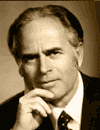
(I Want an Answer) Does It Matter How We Live? by Stephen Olford | In this sermon, the preacher emphasizes the importance of how a person lives and builds their life. He uses the parable of the wise man who built his house on the rock and the fool |

|
Beware of a Satanic Set-Up by David Wilkerson | In this sermon, the preacher begins by emphasizing the urgency of the times, stating that the night is far spent and the day is at hand. He urges the listeners to cast off the work |
|
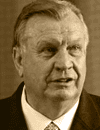
A Biblical Family - a Tool in God's Hands (Part 1) by Erlo Stegen | In this sermon, the preacher emphasizes the importance of parents sharing their personal stories of faith with their children. He encourages parents to start with their own testimo |

|
(Pdf Book) the Spirit of Truth by Art Katz | Art Katz emphasizes the critical importance of truth in the Church, arguing that the institution has become inauthentic and predictable due to a lack of genuine commitment to truth |

|
(Titus - Part 7): Qualifications for Church Leadership I by A.W. Tozer | In this sermon, the preacher emphasizes the importance of the church being a separate and distinct entity from the world. He urges the church to not conform to the moral standards |

|
(Basics) 24. More Reasons for Failure by Zac Poonen | In this sermon, the speaker discusses the reasons why many people fall into sin. The first reason is that they don't run away from temptation and instead expose themselves to it. T |
|
|
How to Identify a False Cult by A.W. Tozer | In this sermon, the preacher discusses the concept of judgment and the role of Jesus in preaching to those who have died. He emphasizes that God treats every human being as an inte |
|
|
(Titus - Part 6): Set in Order the Things That Are Wanting by A.W. Tozer | In this sermon, the speaker discusses the importance of organization and structure in the church. He uses the example of a man with a physical disability to illustrate the need for |
|
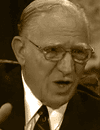
Timothy, I #3 Ch. 3-4 by Chuck Missler | In this sermon, the speaker emphasizes the importance of sound doctrine and teaching in the ministry of Jesus Christ. He compares it to the instruments used in instrument flying, w |

|
Filling That Which Is Filled by Leonard Ravenhill | In this sermon, the speaker reflects on the importance of genuine prayer and the moral poverty he sees in pulpit prayers in America. He emphasizes that success in preaching should |
Summary of Matthew Henry Commentary on 1 Timothy 3
In this chapter, Matthew Henry emphasizes the importance of qualified and dedicated church leaders, who must be above reproach and demonstrate moral integrity, spiritual maturity, and the ability to teach. He also highlights the role of the church as the household of God, the pillar and foundation of the truth, and emphasizes the need for believers to support and pray for their leaders. Henry notes that the qualifications for overseers and deacons are not merely human requirements, but are rooted in the character and teachings of Christ, and that the church's leaders must be faithful stewards of the mysteries of God. Ultimately, Henry concludes that the church's effectiveness in fulfilling its mission depends on the quality of its leadership, and that believers must prioritize the development of godly character and spiritual maturity in their leaders. Read the full unabridged Matthew Henry Commentary →
What Do You Notice?
The Importance of Moral Integrity
The chapter emphasizes the need for church leaders to be above reproach and to demonstrate moral integrity in their personal and public lives. This is a key observation because it highlights the importance of character in leadership.
The Role of the Church in the Community
The chapter describes the church as the household of God, emphasizing its role as a place of worship, service, and spiritual growth. This observation is significant because it underscores the church's responsibility to be a positive influence in the community.
The Qualifications for Church Leaders
The chapter outlines specific qualifications for overseers and deacons, including being the husband of one wife, temperate, self-controlled, and able to teach. This observation is important because it provides a clear understanding of the characteristics and qualifications required for church leadership.