
The biblical topic of "Sin and Judgment" is a central theme in Christian theology, emphasizing the consequences of humanity's rebellion against God and the ultimate reckoning for one's actions. According to Romans 3:23, "all have sinned and fall short of the glory of God," highlighting the universal nature of sin and its separation from a holy God. The Bible teaches that sin leads to judgment, as seen in Hebrews 9:27, which states that "man is destined to die once, and after that to face judgment," yet it also offers hope for redemption through faith in Jesus Christ, as expressed in Romans 8:1, which declares that "there is now no condemnation for those who are in Christ Jesus." This complex interplay between sin, judgment, and redemption is a fundamental aspect of the Christian faith, underscoring the need for repentance, forgiveness, and a personal relationship with God.

C.H. Spurgeon emphasizes the grave consequences of sin by examining the fate of fallen angels, who were cast down to hell without mercy. He warns that even those in the most holy positions, like angels, are not immune to sin, and that humans, despite their upbringing or service, can also fall into t

Thomas Brooks emphasizes the inseparable connection between sin and its consequences, asserting that the wages of sin is death as stated in Romans 6:23. He argues that a just and righteous God cannot allow sin to go unpunished, and His threatenings against sin are as certain as His promises. Brooks

Shane Idleman delivers a powerful sermon titled 'I Am Barabbas. and So Are You,' emphasizing the profound truth that we, like Barabbas, are guilty and deserving of death, yet Jesus took our place on the cross. He explores the nature of sin, temptation, and the difference between remorse and true rep

J.C. Ryle emphasizes the critical importance of understanding sin as the foundation of Christian holiness. He argues that a clear view of sin is essential for grasping doctrines like justification and sanctification, as it reveals the true nature of human corruption inherited from Adam. Ryle warns a

George Matheson emphasizes that true remembrance of our past sins comes only after we have received a new heart from God. He explains that the process of transformation leads us to reflect on our previous wrongdoings only after we have experienced spiritual renewal and growth. This memory serves as

John Gill discusses the transition from the Old Covenant to the New Covenant, emphasizing that the Old Covenant was never intended to be permanent but was a temporary administration leading to Christ. He explains that the Old Covenant was limited in scope and effectiveness, serving as a shadow of th
Thomas Brooks emphasizes the astonishing love of God, reflecting on how, despite our sinful nature and the fact that we have out-sinned many, God has graciously bestowed His gifts upon us. He invites us to marvel at this condescending love, reminding us of our former state of misery and how the King
Thomas Brooks preaches about the profound impact of Adam's fall, emphasizing that Adam's initial state was one of perfect knowledge, holiness, and happiness. However, through his disobedience, humanity lost five critical aspects: our holy image, divine sonship, friendship with God, communion with Hi
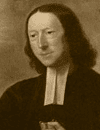
John Wesley preaches on the Fall of Man, explaining that pain and suffering in the world are a direct result of sin, which entered through Adam's choice to rebel against God. He emphasizes that humanity was created in God's image with free will, and it was this liberty that led to the choice of evil

Robert Murray M'Cheyne expounds on the New Covenant as described in Hebrews 8:6, emphasizing its superiority over the Old Covenant. He outlines the various covenants in the Bible, illustrating how the New Covenant, established through Christ, offers better promises and a more excellent ministry than