
Self-conceit, a state of excessive pride and self-importance, is a theme addressed throughout the Bible, with warnings against its dangers and consequences. In Proverbs 16:18, it is written that "pride goes before destruction, a haughty spirit before a fall," emphasizing the idea that self-conceit can lead to spiritual downfall. The apostle Paul also cautions against self-conceit in Romans 12:3, advising believers to "not think of yourself more highly than you ought," and in Galatians 6:3, where he notes that those who think they are something when they are not deceive themselves. By avoiding self-conceit and embracing humility, Christians can cultivate a deeper relationship with God, as encouraged in Psalms 51:17, where a humble and contrite heart is described as pleasing to Him.

J.R. Miller addresses the various forms of untruthfulness, emphasizing that lies can be conveyed through tone, emphasis, and even statistics. He categorizes lies into three types: white lies, black lies, and statistics, asserting that the intention behind the words is what constitutes a lie. Exagger

A.W. Pink emphasizes the significance of the Ninth Commandment, which prohibits bearing false witness against our neighbor, extending its meaning beyond perjury to encompass all forms of harmful speech. He highlights the importance of truthfulness in our communication, asserting that our words can e

Chuck Smith emphasizes the significance of our speech and the proper understanding of oaths in light of Christ's teachings. He contrasts the legalistic interpretations of the Pharisees with the true spirit of the law, highlighting how they manipulated oaths to create loopholes while neglecting the e
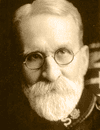
Samuel Logan Brengle emphasizes the frankness of Jesus, who spoke openly and boldly, never engaging in secretive or whispering conversations. He highlights that Jesus' life was an open book, embodying truth and transparency, and that He encouraged His followers to share the truth without fear. Breng

Thomas Brooks emphasizes the destructive nature of lying, identifying Satan as the father of lies and the originator of sin. He explains that lying not only reflects the character of the devil but also corrupts those who engage in it, making them resemble him. Brooks asserts that true believers, who

F.B. Meyer addresses the issue of exaggeration, emphasizing that while there may be a kernel of truth in exaggerated statements, they ultimately fall under the category of lying. He cites Mr. Moody's advice to confront exaggeration as a form of deceit and encourages listeners to speak truthfully, as
F.B. Meyer emphasizes the importance of being true in thought, speech, and action, urging believers to align their lives with their highest ideals and the nature of God. He reflects on the innate understanding of truth that exists within every person, encouraging them to act consistently with their