
Saving faith in the Bible refers to a deep, trusting belief in Jesus Christ as Lord and Savior, which results in spiritual salvation. This concept is rooted in key biblical texts, such as Ephesians 2:8-9, which states, "For by grace you have been saved through faith, and that not of yourselves; it is the gift of God, not of works, lest anyone should boast." This highlights that saving faith is not merely intellectual assent but involves a personal trust in God’s grace to redeem and transform lives. Furthermore, saving faith is characterized by repentance and a commitment to follow Christ. In Acts 16:31, Paul and Silas tell the jailer, "Believe in the Lord Jesus, and you will be saved, you and your household." This belief encompasses both an acknowledgment of Christ's redemptive work and a relational trust that leads to obedience (James 2:19). Ultimately, saving faith is the means through which believers receive the righteousness of Christ and enter into a restored relationship with God, as articulated in Romans 10:9-10, affirming that confessing Jesus as Lord and believing in His resurrection leads to salvation.
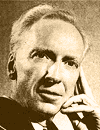
In this sermon, the speaker reflects on the fleeting nature of human life and emphasizes the importance of recognizing the limited time we have on Earth. The speaker expresses gratitude for the opportunity to spread their message through published books. The sermon then focuses on the question of sa

In this sermon, the preacher emphasizes the importance of believing in and resting in the word of God. He highlights that God's current message to the world is one of mercy, but warns that judgment will come in the future. The preacher encourages the audience to read Romans 4 and 5 and memorize the

In this sermon, the speaker discusses the life of David as an illustration of the Christian life. He focuses on the story of David's encounter with Goliath, highlighting how faith operates in the face of seemingly insurmountable odds with limited resources. The speaker ponders the significance of Da

In this sermon, the preacher discusses the parable of the sower from the Bible. He explains that the seed that falls among thorns represents those who initially accept the word of God but later become distracted by worldly cares, riches, and pleasures. He emphasizes that salvation is just the beginn

In this sermon, the preacher emphasizes the need for believers to examine their faith and live it out authentically. He prays for a divine intervention in the church to bridge the gap between what believers claim and how they are perceived by the world. The preacher acknowledges the current state of
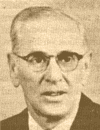
In this sermon, the speaker addresses the need for reexamining our message and approach to evangelism. He emphasizes the importance of being true to men and women and telling them the truth in love. The speaker shares personal anecdotes about his parents' birthdays and the challenges of finding trut

Thomas Brooks emphasizes that saving faith is an active and transformative force in a believer's life, compelling them to grieve, combat, and resist sin while fostering a deep relationship with God. This faith leads to a life of diligent service, joy in pious duties, and a serious commitment to God'

In this sermon, the preacher emphasizes that God calls His people in their weakness to reach out to those who are crying out for truth and meaning in life. The preacher uses the example of Moses being called by God to deliver the Israelites from bondage. He highlights that the church and every belie

Phil Beach Jr. emphasizes the active nature of God's grace and love in the believer's life, arguing that true love compels action, purpose, and determination. He warns against passive Christianity, urging believers to engage in ten spiritual disciplines outlined in 1 Peter, which reflect a vibrant r
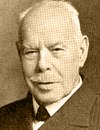
Smith Wigglesworth emphasizes the transformative power of the Holy Spirit in believers' lives, as stated in Acts 1:8. He passionately asserts that this divine power enables Christians to overcome sin, sickness, and the devil, urging them to actively use this power rather than waiting passively. Thro