
Parental influence is a significant theme in the Bible, as it emphasizes the crucial role that parents play in shaping the spiritual and moral development of their children. According to Proverbs 22:6, parents are encouraged to "train up a child in the way he should go" to ensure they follow a path of righteousness. The Bible also highlights the importance of parental example, as seen in Ephesians 6:4, where fathers are exhorted not to "provoke their children to wrath" but rather to bring them up in the nurture and admonition of the Lord. Additionally, Psalms 78:4 notes the responsibility of parents to pass down their faith to the next generation, underscoring the enduring impact of parental influence on the lives of their children.

D.L. Moody emphasizes the powerful influence of parental behavior on children, illustrating this with a story about a child imitating their mother breaking a tumbler. He warns that children learn not only through direct teaching but also by observing their parents' actions, which can lead to negativ

F.B. Meyer reflects on the profound impact of parental influence through the metaphor of a mother making a little coat for her child, emphasizing that the love and care put into such acts shape the character and habits of children. He highlights that habits, akin to garments, are formed in early chi
F.B. Meyer discusses the sins of Jeroboam, the son of Nebat, emphasizing how his actions led Israel into sin and ultimately contributed to the nation's downfall. The sermon highlights the repeated mention of Jeroboam's influence, illustrating the long-term consequences of sin and the importance of a
F.B. Meyer emphasizes the importance of a harmonious family life centered around worship and music, as exemplified by the family of Heman, who contributed to the Temple service. He highlights the role of parents in nurturing their children as gifts from God, stressing that a home filled with praise

A.B. Simpson emphasizes that the highest spiritual condition is one of effortless spontaneity, akin to the flowing waters of Ezekiel's river, where believers are carried by God's divine life. He explains that while spiritual habits begin with conscious effort and choice, they eventually become secon

J.R. Miller addresses the concern of individuals whose religious practices have become mere habits, leading them to question the authenticity of their faith. He emphasizes that true greatness in Christian life often comes unconsciously, much like a skilled musician or artist who performs effortlessl
A.B. Simpson emphasizes the importance of abiding in Christ and maintaining a continuous spiritual fire within our hearts. He compares the effort required to keep our spiritual habits alive to the ancient Greeks' sacred fire, urging believers to avoid the struggle of rekindling their faith after it

Michael L. Brown emphasizes the importance of recognizing the 'Acharit' or the end consequences of our actions, urging believers to remain vigilant against sin and temptation. He shares personal stories and biblical wisdom to illustrate how easily one can stray from the path of righteousness, leadin
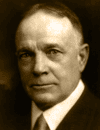
Billy Sunday passionately addresses the consequences of sin and the inevitability of judgment, urging young people to recognize that their actions have repercussions. He emphasizes the biblical truth that 'whatsoever a man soweth, that shall he also reap,' warning against the seductive nature of sin

R.B. Jones preaches on the profound agony of Jesus on the cross, illustrating it as a representation of the torment of hell for those who reject Him. He emphasizes that the physical suffering was merely a symbol of a deeper mental and spiritual torment, particularly the anguish of being forsaken by