
In the biblical context, Mercy and Discipline are intertwined concepts that reflect God's character and relationship with humanity, as seen in Psalms 23:1, where God is described as a shepherd who guides and disciplines his people. The Bible teaches that God's mercy is not opposed to discipline, but rather, discipline is an expression of God's mercy, as stated in Hebrews 12:6, which says, "For whom the Lord loves He disciplines." This paradox is further emphasized in Romans 8:28, which notes that God works all things, including discipline, together for the good of those who love Him, demonstrating that His mercy and discipline are ultimately redemptive and transformative. Through this balance of mercy and discipline, God shapes His people into the image of Christ, demonstrating His loving and sovereign character.

Thomas Brooks emphasizes the concept of divine justice, arguing that those who have sinned and deserve punishment should not complain when they face consequences. He uses the analogy of a person deserving a hanging who should not blame the judge for cruelty if they only receive a lesser punishment.

In this sermon, the speaker shares a personal experience of his daughter's house being invaded by two strangers. He expresses his anger and fear for his daughter's safety, but also acknowledges that justice belongs to the Lord. The speaker emphasizes the importance of turning to God and trusting in

S. Lewis Johnson explores the story of Jacob in Genesis 29, focusing on how Jacob, a deceiver, is deceived by Laban, his uncle. This chapter illustrates the justice of God as Jacob learns the consequences of his deceitful actions through his experiences with Laban. Jacob's journey to find a wife lea

Robert Murray M'Cheyne delivers a sobering sermon on 'The Eternal Torment of the Wicked', emphasizing that the eternal punishment of the wicked will be a source of joy and praise for the redeemed in heaven. He explains that the inhabitants of heaven will rejoice over the destruction of Babylon and t

John Gill addresses the anger and wrath of God, emphasizing that while God is loving and merciful, He also possesses anger and wrath as responses to sin. He distinguishes between God's anger, which is a displeasure with sin, and His wrath, which is the execution of justice against sin. Gill explains

G. Campbell Morgan delivers a powerful sermon on the Book of Obadiah, emphasizing the themes of pride, violence, and retribution as represented by Edom (Esau) in contrast to Jacob (Israel). He highlights the essential evil of pride that leads to godlessness and self-deification, manifesting in viole

C.H. Spurgeon emphasizes the comfort and hope found in Isaiah 66:5 for those who have been wrongfully cast out by their peers due to their faithfulness to God. He acknowledges the pain of being rejected in the name of religion and highlights the irony of using God's name to justify such actions. Spu
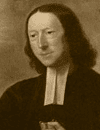
John Wesley emphasizes the profound nature of mercy, drawing from Matthew 5:7, where he reflects on how true mercy is freely given, akin to gentle rain from heaven. He highlights that mercy blesses both the giver and the receiver, and it is a divine attribute that surpasses earthly power and justice

F.B. Meyer emphasizes the divine reversal of fortunes as seen in the story of Mordecai and Haman, illustrating how God honors those who remain humble and faithful. He reflects on the profound truth that while Haman sought to exalt himself, it was Mordecai, the humble Jew, who was ultimately honored
F.B. Meyer emphasizes the impending reversal of power where the current rulers, who oppose God's people, will be overthrown. He draws parallels between the historical plight of the Jews and the present struggles of the Church, assuring that God will ultimately vindicate His saints. Meyer highlights