
Living righteously is a central theme in the Bible, emphasizing the importance of leading a virtuous and moral life in accordance with God's will. As Psalms 23:1 notes, "The Lord is my shepherd, I lack nothing," suggesting that living righteously involves trusting in God's guidance and provision. In Romans 8:28, the apostle Paul writes that "in all things God works for the good of those who love him," implying that living righteously is closely tied to one's relationship with God and their trust in His sovereignty. Furthermore, 2 Timothy 3:16-17 reminds us that Scripture is "useful for teaching, rebuking, correcting and training in righteousness," highlighting the role of biblical wisdom in shaping a righteous and godly life.

Don McClure delivers a profound overview of Matthew 5, emphasizing the significance of the Beatitudes and the transformative power of Christ's teachings. He highlights the importance of recognizing our spiritual poverty, mourning over our sins, and the necessity of a strong will to follow Christ's c

A.W. Tozer emphasizes the importance of living a life that honors God, expressing a deep desire to avoid a careless existence that leads to dishonor. He shares a heartfelt prayer asking God to take his life rather than allow him to live wrongly, reflecting on the story of Hezekiah, who, despite rece

Erlo Stegen emphasizes that God shows no favoritism, as illustrated by the story of Cornelius, a devout Gentile who feared God and lived righteously. Despite being a Roman centurion, Cornelius's prayers and acts of charity were recognized by God, leading to a divine encounter that opened the door fo
A.W. Tozer emphasizes the importance of sincere prayer and the desire for a life that glorifies God rather than being complacent with earthly comforts. He shares his practice of writing earnest prayers, expressing a deep longing to live righteously and to prioritize spiritual integrity over mere exi

John Gill emphasizes the manifestation of Jesus Christ as the Son of God, who took on human nature to take away the sins of humanity through His sacrificial death. He explains that Christ, being sinless, was the perfect sacrifice, fulfilling the requirements of the law and providing reconciliation f
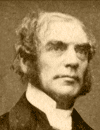
Octavius Winslow emphasizes that the Lord is the true hope of the believer, contrasting the fleeting hopes of the world with the enduring hope found in Jesus Christ. He explains that true hope arises from relinquishing reliance on personal merits and instead embracing faith in Christ's righteousness

J.R. Miller explores the Beatitudes, emphasizing their counter-cultural nature and the profound blessings they promise. He highlights that true happiness comes from spiritual qualities such as humility, mourning, meekness, and a hunger for righteousness, which are often overlooked by society. Miller

A.W. Pink introduces the Beatitudes by emphasizing their significance in the Sermon on the Mount, which serves as both a teaching for believers and a challenge to the legalistic views of the Pharisees. He highlights that Christ's message reveals the true spirituality of the Law and the necessity of
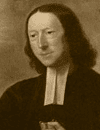
John Wesley expounds on Matthew 5, emphasizing that Jesus' teachings provide the true path to happiness and holiness. He highlights the Beatitudes, where Jesus pronounces blessings on the poor in spirit, the meek, and those who hunger for righteousness, illustrating that true happiness is found in s
A.W. Pink emphasizes that the Beatitudes reflect the character of Christ, who embodies each quality perfectly. He illustrates how Jesus exemplified being poor in spirit, mourning, meekness, hunger for righteousness, mercy, purity of heart, peacemaking, and enduring persecution. Pink highlights that