
Imputed righteousness is a theological concept in Christian faith that refers to the doctrine that God credits believers with the righteousness of Jesus Christ, thereby declaring them righteous in His sight. This concept is rooted in the Bible, particularly in Romans 4:22-24, where it is written that Abraham's faith was "reckoned to him as righteousness," illustrating how faith is counted as righteousness. As stated in 2 Corinthians 5:21, "For our sake he made him to be sin who knew no sin, so that in him we might become the righteousness of God," highlighting the exchange of Christ's righteousness for humanity's sin. Through this doctrine, as expressed in Philippians 3:9, believers are able to stand before God as righteous, not based on their own merits, but on the righteousness of Christ that has been imputed to them.

John Gill emphasizes the doctrine of imputed righteousness, asserting that justification before God is achieved through faith in Christ's righteousness, not through human works. He illustrates this by referencing Abraham and David, who were justified by faith alone, highlighting that true righteousn
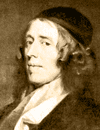
John Owen expounds on 1 Corinthians 1:30, emphasizing that Christ is made righteousness for us by God's sovereign grace, which excludes any basis for personal boasting. He argues against interpretations that diminish the significance of Christ's imputed righteousness, asserting that our righteousnes

C.H. Spurgeon emphasizes the profound truth that God imputes the righteousness of Christ to believers, treating them as if they have fulfilled the law perfectly. This divine exchange allows believers to rest in the assurance that their sins are laid upon Christ, while His righteousness is credited t

David Wilkerson emphasizes that true justification and acceptance before God come solely through Christ's perfect righteousness, which is imputed to believers through faith. He explains that this righteousness is not earned by works but credited to our account by God, as illustrated in the lives of
In this sermon, the speaker begins by referencing the previous chapter in the Bible where Abram wins a great victory against the kings from the east and retrieves his nephew Lot. Abram refuses to take any spoils from the king of Sodom, showing his loyalty to God. The speaker then discusses the probl

Don McClure emphasizes the profound truth of being justified by faith, which grants believers peace with God through Jesus Christ. He explains that this justification is not based on human effort but on faith, just as Abraham was declared righteous by believing God. McClure highlights the significan
John Owen expounds on Romans chapter 4, emphasizing that Abraham was justified not by works but by faith alone, which serves as a model for all believers. He clarifies that the works referred to are not those of the Jewish law but rather moral obedience, which does not contribute to justification. O
John Owen addresses the critical opposition between works and grace in the context of justification, emphasizing that true righteousness comes solely from faith in God rather than from human efforts or obedience. He highlights the Apostle Paul's teachings in Romans, which assert that justification i
John Gill expounds on the eternal acts of God, particularly focusing on adoption and justification. He emphasizes that both acts are rooted in God's eternal will, with adoption being God's choice to make certain individuals His children, and justification being God's declaration of righteousness tow
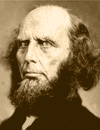
Charles Finney emphasizes the unchanging nature of God's covenant of grace, asserting that once God commits to saving a soul, He does not retract that promise. He argues that true repentance leads to a genuine love for God and a hatred for sin, and that believers can expect God's discipline if they