
Free salvation in the Bible refers to the concept that salvation is a gift from God, freely given to all who believe in Jesus Christ and accept Him as their Lord and Savior. This doctrine emphasizes that salvation cannot be earned through human effort, good works, or adherence to the Law, but rather is granted by God's grace. The Apostle Paul articulates this in Ephesians 2:8-9, stating, "For by grace you have been saved through faith, and that not of yourselves; it is the gift of God, not of works, lest anyone should boast." This underscores the fundamental Christian belief that salvation is accessible to all, regardless of their past, as long as they have faith in Christ.Furthermore, the notion of free salvation is deeply rooted in the New Testament's portrayal of Jesus' sacrificial death and resurrection, which makes salvation available to everyone. In John 3:16, it is proclaimed that "For God so loved the world that He gave His only begotten Son, that whoever believes in Him should not perish but have everlasting life." This illustrates that salvation is offered freely to "whoever" believes, highlighting God’s inclusive love and desire for all to be reconciled to Him. The concept of "free salvation" thus embodies God's grace, love, and the belief that faith, rather than works, is the pathway to eternal life.
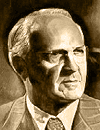
In this sermon, the preacher emphasizes the urgency of accepting Jesus Christ as one's Savior. He warns that if someone were to die without accepting Christ, they would be considered a fool in the eyes of God. The preacher describes Jesus as the embodiment of God's truth, holiness, love, and power,

J.C. Ryle emphasizes the paramount importance of the doctrine of free salvation through faith in Jesus Christ, asserting that it is the foundation of Christianity. He warns that misunderstanding this doctrine can lead to spiritual confusion and despair, while grasping it brings peace and assurance.

C.H. Spurgeon emphasizes that Christ's mercy is freely given and cannot be bought or earned, using the analogy of a mother seeking grapes for her sick child from a prince who only gives them away. He illustrates that just as the prince's grapes are not for sale, God's grace and salvation are offered

D.L. Moody passionately addresses the critical question of salvation, emphasizing that conversion is an instantaneous act where one moves from death to life through faith in Christ. He illustrates this with biblical examples, such as Noah's ark and the blood in Goshen, highlighting that it is not ou
J.C. Ryle emphasizes the importance of 'Looking Unto Jesus' as the foundation of a vibrant and practical Christianity. He argues that true faith must extend beyond mere Sunday observance and should permeate every aspect of daily life, providing strength, peace, and guidance through Christ's death, i

Mariano Di Gangi emphasizes the profound significance of Jesus' final words on the cross, 'I am thirsty' and 'It is finished,' illustrating His humanity and the completion of His redemptive work. He explains that Jesus' thirst symbolizes the weight of humanity's sins, while His declaration of 'It is

Michael Koulianos emphasizes the perfection of Jesus and the critical importance of His resurrection in the Christian faith. He explains that without the resurrection, our faith is futile and we remain in our sins, as the resurrection validates Jesus' identity and the truth of the Gospel. Koulianos
Mariano Di Gangi preaches on 'The Bread of Heaven,' emphasizing that Jesus is essential for spiritual nourishment, likening Him to bread that sustains life. He recounts the miracle of the feeding of the 5,000, illustrating how Jesus provides not just physical sustenance but also the deeper spiritual
Mariano Di Gangi emphasizes the profound self-portraits of Jesus in the Gospel of John, particularly focusing on His declaration as the 'resurrection and the life.' Through the story of Lazarus, Di Gangi illustrates the themes of affection, affliction, and affirmation, highlighting Jesus' love for H
D.L. Moody emphasizes that after love comes peace, which is a state already established by Christ's sacrifice on the Cross. He illustrates that many people mistakenly try to create peace through their own efforts, akin to someone trying to generate light in a dark cellar instead of stepping into the