
The concept of Divine Power is a central theme in the Bible, emphasizing God's omnipotence and sovereignty over all aspects of creation. According to Psalms 115:3, God's power is limitless, and He does as He pleases, while Romans 8:28 affirms that His power works for the good of those who love Him. The Bible also highlights the role of Divine Power in the lives of believers, as seen in Ephesians 3:20, which states that God is able to do immeasurably more than all we ask or imagine, demonstrating the boundless nature of His power and its availability to those who trust in Him. Through the demonstration of Divine Power, the Christian faith is grounded in the conviction that God is actively involved in the world, guiding and empowering His people to fulfill their purpose and achieve His will.

A.B. Simpson emphasizes the profound contrast between human weakness and God's omnipotent power in his sermon 'Power for Service.' He illustrates that while humanity is inherently weak and often overwhelmed by sin and temptation, God's power is made available to believers through faith and the Holy
A.B. Simpson emphasizes the transformative power of the Holy Spirit in achieving union with God, which leads to an inheritance of blessings and prosperity in health and spirit. He explains that as we allow God's power to work within us, we become a source of attraction for those seeking hope and hea
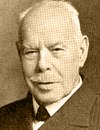
Smith Wigglesworth emphasizes the transformative power of faith, urging believers to truly believe in God and seek His will with persistence. He illustrates this through personal anecdotes, highlighting that faith is not just a theory but a dynamic force that can bring about miraculous changes in ou

Andrew Murray emphasizes the paradox of strength in weakness, teaching that true power comes from recognizing our own limitations and relying on Christ's omnipotence. He explains that while Christians often seek to overcome their weaknesses, God desires us to embrace them, as it is through our weakn

A.W. Tozer emphasizes the critical role of the Holy Spirit in the life of the church, lamenting the neglect of His presence among evangelical Christians. He contrasts the powerful, creative work of the Spirit as depicted in Scripture with the diminished role He plays in contemporary Christianity, wh

John Gill expounds on 2 Peter 1:3, emphasizing that God's divine power, particularly through Christ, grants us everything necessary for life and godliness. He explains that this encompasses not only temporal blessings but also spiritual life, eternal life, and the internal graces of the Spirit such
Andrew Murray addresses the pressing question of why the church has failed to embody God's love as Christ did, emphasizing the need for complete devotion to God's Word. He acknowledges human weakness but argues that it is often underestimated, leading to a lack of reliance on the supernatural power

John Nelson Darby emphasizes the Lord's power over creation and demons as demonstrated in Mark 5, where Jesus calms the storm and casts out a legion of demons. He reflects on the world's rejection of Jesus, illustrating that the quiet influence of Satan is more destructive than his overt power, lead

David Wilkerson emphasizes that true peace and happiness cannot be found in others but only through a personal relationship with Jesus Christ. He highlights the futility of relying on human counsel, likening it to broken cisterns that cannot hold water, and instead points to the Holy Spirit as the u

C.H. Spurgeon emphasizes the comprehensive nature of Christ's saving power, which encompasses the entire journey of salvation from initial desire to complete sanctification. He highlights that Christ not only saves those who repent but also instills the desire to repent and transforms hearts. Spurge
C.H. Spurgeon emphasizes that the Lord is 'slow to anger' and 'great in power,' illustrating how God's mercy swiftly reaches out to humanity while His wrath is restrained. He explains that true power lies in self-control, as God chooses to hold back His anger, demonstrating His love and compassion f

George Fox emphasizes the importance of dwelling in the Immortal Seed of God, which embodies Power, Wisdom, and Eternal Life. He encourages believers to live in the divine Love and Power of God, which sustains them above all worldly concerns. This Power fosters an everlasting fellowship among the sa

Octavius Winslow emphasizes that the work of the Church and the process of conversion are entirely dependent on the Divine blessing and the Spirit of God, rather than human effort. He illustrates that just as the Temple represents the Church and Zerubbabel symbolizes Christ, the transformation of a
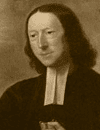
John Wesley emphasizes the immense power available to Jesus, as illustrated in Matthew 26:53, where He could have summoned legions of angels for His defense. In the Garden of Gethsemane, various responses to Jesus' betrayal are highlighted, contrasting the meekness of Jesus with the impulsive action
George Fox emphasizes the importance of recognizing the seed of God within ourselves, which grants us access to His power, promises, and the gospel. He encourages believers to walk in truth, righteousness, and holiness, as these paths lead to a deeper fellowship with God and the revelation of His pr