
The conviction of sin is a fundamental concept in the Christian faith, referring to the awareness and acknowledgment of one's sinful nature and actions, as described in Romans 3:23, which states that "all have sinned and fall short of the glory of God." This conviction is a crucial step in the process of repentance and salvation, as it leads individuals to recognize their need for forgiveness and redemption, as expressed in Psalms 51:17, which says "the sacrifices of God are a broken spirit, a broken and contrite heart." Through the conviction of sin, believers are able to turn to God in humility and faith, as encouraged in 1 John 1:9, which promises that "if we confess our sins, he is faithful and just to forgive us our sins and to cleanse us from all unrighteousness." As a result, the conviction of sin plays a vital role in the biblical narrative of salvation and spiritual growth.
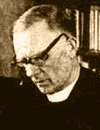
Duncan Campbell shares powerful testimonies of revival, recounting his experiences of addressing numerous meetings day and night, where the presence of God was palpable and many souls were saved. He describes the deep conviction of sin that gripped individuals, leading them to cry out for mercy, and

Paris Reidhead emphasizes that salvation is fundamentally a revelation from God, not merely an intellectual acknowledgment of sin or a superficial acceptance of Christ. He recounts experiences in Africa and America that illustrate how many people can recognize their sinfulness yet remain untransform

D.L. Moody emphasizes the role of the Holy Spirit in convicting individuals of their sins to guide them towards a better life. He points out that many people resist this conviction, preferring comforting messages that ignore their faults and promote a false sense of improvement in the world. Moody c
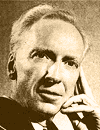
Oswald J. Smith emphasizes the critical role of deep conviction of sin in genuine revivals, contrasting it with the superficial methods of modern evangelism that lack true spiritual depth. He argues that without the Holy Spirit's work in convicting individuals of their sin, efforts to lead them to C

Roy Hession emphasizes the role of the Holy Spirit as the Convicter, whose primary task is to reveal our sins and lead us to repentance. He explains that the Holy Spirit shines the light of truth on our hearts, exposing self-deception and urging us to respond honestly to our shortcomings. Hession hi
D.L. Moody emphasizes that unbelief is the root of all sin, labeling it as the 'climax sin' of the world. He argues that many societal issues stem from this fundamental lack of faith, which leads individuals to live in sin and rebellion against God. Moody calls for the Holy Spirit's convicting power

Thomas Brooks emphasizes the transformative power of the Holy Spirit in recognizing and rejecting sin. He explains that true conviction of sin and the desire to forsake cherished sins can only occur when one is filled with the Holy Spirit. Brooks illustrates this by comparing the struggle against si

Andrew Murray emphasizes that for a true revival to occur, it must be accompanied by a profound conviction of sin and the recognition of our complacency in the face of a dying world. He calls for a breaking up of the 'great deep' within us, exposing the formalities and self-indulgences that hinder o

G. Campbell Morgan emphasizes the expansive ministry of the Holy Spirit beyond the Church, highlighting its prophetic fulfillment on Pentecost and its role in convicting the world of sin, righteousness, and judgment. He explains that the Spirit's work is to reveal truth to all humanity, striving wit

A.W. Pink emphasizes the spiritual dangers of Bible reading that lacks genuine engagement with God, warning that many approach the Scriptures for intellectual pride or sectarian arguments rather than for true edification. He outlines that true profit from the Word comes through conviction of sin, so

Robert Murray M'Cheyne emphasizes the necessity of personal conviction of sin for true conversion, arguing that many people mistakenly rely on their perceived virtues to justify themselves before God. He highlights the danger of believing that earthly kindness and integrity can compensate for a lack
Andrew Murray emphasizes the vital role of the Holy Spirit in convincing the world of sin, highlighting that the Spirit first must dwell within believers to effectively reach others. He explains that the Spirit's work in us is essential for our testimony to be powerful and convincing, as it aligns o

Chuck Smith emphasizes the vital role of the Holy Spirit in the world, asserting that the church's revival hinges on understanding and embracing the Spirit's work. He explains that the Holy Spirit convicts the world of sin, righteousness, and judgment, urging believers to recognize the importance of

R.A. Torrey shares a powerful account of a prayer meeting at Chicago Avenue Church, where the officers sought the Holy Spirit's convicting power due to a lack of conviction of sin. During his sermon, a man known for his sporting lifestyle unexpectedly accepted Jesus Christ, prompting a wave of respo

Charles Finney addresses the decline in the depth and effectiveness of modern revivals compared to those of the past, noting a lack of deep conviction of sin and humility among converts. He emphasizes that recent revivals often fail to probe the heart's depravity and guilt, leading to superficial co

Theodore Epp emphasizes the vital role of the Holy Spirit in convicting both believers and the world of sin, righteousness, and judgment. He explains that the Spirit, as the Comforter, not only confirms the truth of Christ to us but also reveals our own sinfulness, making us effective witnesses. Epp