
The biblical concept of "Blessing and Judgment" is a pervasive theme throughout the scriptures, where God's sovereign will is exercised in rewarding obedience and punishing disobedience. According to Psalms 23:1, God's blessing is experienced by those who trust in Him, while judgment is meted out to those who reject His ways, as seen in Romans 2:5-8, where God's wrath is stored up for those who refuse to repent. Furthermore, in Deuteronomy 28:1-2, the Bible outlines the blessings that accrue to those who follow God's commands, underscoring the idea that obedience is a key factor in receiving divine favor, and that judgment is a natural consequence of disobedience, as also emphasized in Romans 8:28, where all things work together for good for those who love God. This dynamic interplay between blessing and judgment underscores the importance of faithfulness and obedience in the Christian life.

T. Austin-Sparks emphasizes the profound significance of God's glory, explaining that it embodies both joy and judgment. The glory of God, as seen in the burnt offerings and the sacrifice of Christ, brings blessings when God's nature is satisfied, leading to peace and joy for believers. However, whe

Evan Roberts reflects on the glorious deeds of God, emphasizing that no amount of time could fully express His greatness. He challenges the congregation to consider what they offer to God in return for His blessings and grace. The sermon serves as a reminder of God's eternal presence and the importa

The sermon transcript discusses the character of Jacob and his blessing of Pharaoh before leaving his presence. It then transitions to discussing Joseph and his economic policies as a prime minister, highlighting his diligence and service to the Lord. Joseph's policies included providing corn, homes

In this sermon, the preacher discusses the importance of having the right motives in our service to God. He refers to a text in the Gospel of John where Jesus speaks about doing the will of God. The preacher emphasizes that our motive should be to bring glory to God and to fulfill His purposes. He a

Gary Wilkerson's sermon 'Renouncing Shame, Receiving Glory' emphasizes the transformative power of God's glory within us, contrasting it with the debilitating effects of shame. He explains that glory, derived from the Hebrew 'kabbad' and Greek 'doxa', signifies a weightiness and splendor that God ha

Keith Simons teaches on Psalm 19, emphasizing the psalm's declaration of God's glory through creation and the importance of His Word. He explains how the heavens and nature testify to God's greatness without words, while the Scriptures provide a deeper understanding of His character and guidance for

Basilea Schlink emphasizes the importance of giving God the glory, not only in our personal lives but also for the fate of nations. She reflects on the beauty of creation and how it should inspire a chorus of praise to God, who deserves admiration for His mighty acts. Schlink shares her journey of e
Phil Beach Jr. emphasizes that God's ultimate satisfaction comes from His children glorifying Him through their lives. He discusses the various trials and distractions that can lead believers away from recognizing God's work and the importance of remaining vigilant against the enemy's tactics. The s
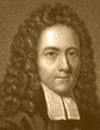
Ralph Erskine emphasizes that God's salvation of sinners is fundamentally for His own name's sake, rather than for any merit on the part of the sinners themselves. He explains that the glory of God's name is paramount in the act of salvation, as it showcases His mercy, justice, and power, even in th

Martyn-Lloyd Jones emphasizes the importance of motives in prayer for revival, using Moses as a model of intercession. He highlights that Moses prayed not for personal gain but for the glory of God, the honor of the Church, and the salvation of the lost. The preacher urges believers to shift their f